
It often starts with something small. A water bill that’s $40 higher than last month. A faint musty smell in the hallway closet. A soft spot in the bathroom floor that wasn’t there before.
Most homeowners ignore these signs at first, and that’s understandable. But hidden leaks rarely fix themselves. For many households, the moment they finally call a Water Leak Repair Plumber in Madison TN is the moment they find out the problem has been growing for months.
This article explains how hidden leaks develop, why they’re easy to miss, and what homeowners can expect when a professional gets involved.
Why Hidden Leaks Are So Common in Older Homes
Madison has a large share of homes built in the 1950s, ’60s, and ’70s. Many of these houses still have original plumbing, or a mix of old and newer pipes added during remodels over the years.
Galvanized steel pipes, common in that era, corrode from the inside out. Over time, rust narrows the pipe and weakens its walls. Eventually, pinhole leaks form, usually inside walls, under floors, or in crawl spaces where no one looks.
Weather plays a role too. Middle Tennessee doesn’t see brutal winters every year, but a hard freeze can catch homeowners off guard. Pipes in exterior walls or unheated crawl spaces may crack during a cold snap and only start leaking once they thaw.
Soil movement is another factor. The clay-heavy soil in the region expands when wet and shrinks when dry. That constant shifting can stress underground water lines and the joints that connect them.
The Warning Signs People Tend to Miss
Not every leak announces itself with a puddle. In fact, the most damaging ones are often the quietest.
A steady rise in water bills, with no change in household habits, is one of the clearest clues. Another is the sound of running water when every faucet and appliance is off.
Visual signs matter as well. Bubbling paint, warped baseboards, yellowish ceiling stains, and mildew in odd places can all point to moisture behind the surface. Warm spots on a tile floor sometimes signal a hot water line leaking under a concrete slab.
A simple check many plumbers recommend is to shut off all water in the house and watch the meter for 15 to 30 minutes. If the dial moves, water is going somewhere it shouldn’t.
What a Leak Repair Professional Actually Does
Years ago, finding a hidden leak often meant opening up walls until the source turned up. That approach was messy, expensive, and stressful for homeowners.
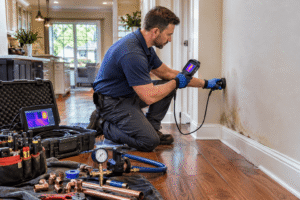
Today, most experienced plumbers use non-invasive tools first. Acoustic listening devices can pick up the sound of escaping water through floors and walls. Thermal imaging cameras show temperature differences caused by moisture. Pressure testing helps confirm whether a specific line is losing water.
Once the source is pinned down, the repair itself depends on the situation. A single failed joint may only need a quick fix. A badly corroded section of pipe might be replaced. In homes with widespread pipe deterioration, a plumber may suggest rerouting or repiping certain areas instead of patching one leak after another.
A good Water Leak Repair Plumber in Madison TN will usually explain these options clearly, including the trade-offs between a short-term repair and a longer-lasting solution.
Why Acting Early Makes Such a Difference
The biggest advantage of early leak repair is simple: less damage. Water that soaks into drywall, subflooring, or insulation for weeks can lead to rot and mold growth. Mold can begin forming within a day or two in damp conditions.
Cost is the next factor. A leak caught early might require a small, targeted repair. The same leak left alone for six months could mean replacing flooring, cabinets, and drywall on top of the plumbing work.
There’s also the structural side. Slow leaks near a foundation can wash away supporting soil over time. Moisture in wood framing attracts termites and carpenter ants, which are already active in Tennessee’s humid climate.
And finally, there’s peace of mind. Knowing the plumbing is sound makes it easier to plan renovations, sell a home, or simply stop worrying about that strange sound in the wall.
When a Leak Becomes a Sewage Problem
Not all leaks involve clean water. Sometimes the trouble starts in the drain or sewer line, and that creates a very different situation.
A cracked sewer pipe under the house, a backed-up main line, or a failed toilet seal can release contaminated water into living spaces or crawl spaces. This kind of water carries bacteria and other health risks, so it shouldn’t be handled with a mop and a bucket.
In these cases, homeowners often need both a plumber to fix the source and Sewage Cleanup Professionals in Madison TN to remove contaminated materials and sanitize the area properly. Some companies handle both parts of the job, while others focus on one or the other.
Real Situations Homeowners Run Into
Consider a family who noticed their kitchen floor felt slightly spongy near the dishwasher. They assumed it was just old flooring. When a plumber finally took a look, the supply line had been dripping slowly for close to a year, and the subfloor needed replacing.
Another common scenario involves a retired couple whose water bill jumped from $60 to nearly $200 in a single month. There were no puddles, no stains, and no obvious sounds. A leak detection test eventually traced the problem to a broken line buried in the front yard.
Then there’s the classic basement surprise. After heavy spring rain, a homeowner finds standing water with a foul odor near the floor drain. That’s often a sign of a sewer backup rather than a simple leak. In situations like this, calling Sewage Cleanup Professionals in Madison TN quickly can help limit odors, contamination, and long-term damage to the space.
Choosing the Right Help
Homeowners in the area have several options when it comes to plumbing help. The most reliable choices usually share a few traits: proper state licensing, clear explanations of the problem, written estimates, and modern leak detection equipment.
Local reviews and word-of-mouth recommendations are often the best starting point. Many residents also look for companies familiar with the older housing stock in Madison, since those homes come with their own quirks. Local outfits such as Dave’s Plumbing & Rooter are among the businesses that regularly work on these kinds of repairs in the area.
Whoever a homeowner chooses, it’s wise to ask what caused the leak, not just how it will be fixed. Understanding the root cause can help prevent the same problem from showing up again in a year.
Final Thoughts
Water leaks are one of those household problems that reward fast action. A small drip behind a wall might seem harmless, but over time it can affect floors, framing, air quality, and the family budget.
Paying attention to water bills, unusual sounds, and subtle signs of moisture can help homeowners catch issues early. When something seems off, having a trained professional take a look is usually far cheaper than waiting to see what happens.
Frequently Asked Questions
How do I know if I have a hidden water leak?
Common signs include a sudden jump in your water bill, the sound of running water when nothing is on, musty odors, and stains or bubbling paint on walls or ceilings. Checking your water meter with all fixtures off is a quick way to confirm.
How much does water leak repair usually cost?
Simple repairs like fixing a supply line or joint often cost a few hundred dollars. Slab leaks, buried line repairs, or partial repiping can run into the thousands, depending on access and the extent of damage.
Can a plumber find a leak without tearing out walls?
In many cases, yes. Plumbers commonly use acoustic detectors, thermal cameras, and pressure tests to pinpoint leaks with little or no demolition before any repair work begins.
Is sewage backup dangerous to clean up on my own?
Sewage water can contain harmful bacteria and viruses, so DIY cleanup carries real health risks. Professionals use protective gear, proper disinfectants, and drying equipment to make the area safe again.
Does homeowners insurance cover water leak damage?
Many policies cover sudden and accidental leaks, such as a burst pipe. Damage from slow, long-term leaks or poor maintenance is often excluded, so it’s worth reviewing your policy details.