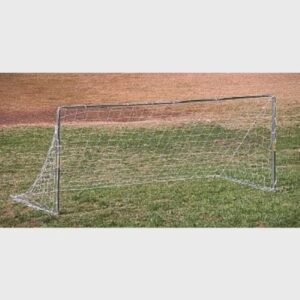

Choosing a youth goal is not as simple as picking the biggest one that fits the field. Younger players need a target that matches their size and skill level, while older teams may need more space for realistic shots. The right practice soccer goals can keep drills useful, players active, and training areas easy to manage.
Match The Goal To The Players
A six-year-old player does not train the same way as a fourteen-year-old player. Their reach, shooting power, field space, and game format can differ a lot.
For younger teams, smaller goals can give players a realistic target without making every shot feel out of reach. They also fit better in compact practice areas.
Older youth teams may need larger goals for:
- Finishing from longer distances
- Crossing and shooting drills
- Goalkeeper practice
- Small-sided games
- Match-style scrimmages
So, do not judge a goal by size alone. Think about what players need to learn during practice.
How Does Field Size Change The Right Choice?
The training area can make or break your decision.
Imagine a coach has 16 players and a small grass field. An 8′ × 24′ goal may take up a big part of the available space. Players may then have less room to pass, run, and rotate.
A 6′ × 12′ goal could make more sense for that session. The coach can create smaller stations and keep players moving.
On a larger field, a bigger goal gives older players more room to practice shots that look and feel closer to real match play.
Measure the practice area first. Then choose the goal.
Portable Goals Give Coaches More Options
Youth clubs often change their practice setup. One session may focus on finishing. The next may involve passing games. Then, the coach may split the team into several small groups.
Portable goals make those changes easier.
A coach can use one large goal for goalkeeper work and several smaller goals for shooting stations. Staff can also move the equipment when different teams share the same field.
However, portability should never replace stability. Use the proper anchors and follow the equipment instructions whenever players use the goals.
Storage matters too. A goal that takes too long to move or store may become a hassle for staff.
Why Do Field Markings Matter During Practice?
Goal size is only one part of a useful training setup. Coaches also need clear areas for drills.
Temporary lines can divide a field into shooting zones, passing lanes, or small-sided game areas. The Aerosol Field Marking Paint can help create these practice areas when the product suits the playing surface, and coaches follow its directions.
For example, a coach could mark a small shooting box in front of a 6′ × 12′ goal. Players then know where to start each shot. That keeps the drill moving and reduces confusion.
Avoid Using One Goal For Every Drill
One large goal may seem like the easiest choice, but it can limit a youth practice.
A full-size goal works well for match-style training. Yet, it may not suit a close shooting drill with younger players. Likewise, a tiny goal may not give older players enough room for realistic finishing practice.
A better setup may include different sizes.
For example:
- Smaller goals for quick shooting stations
- Medium goals for small-sided games
- Larger goals for match-style sessions
This approach lets coaches change the session without rebuilding the whole field.
End Note
The right youth goal should match more than the player’s age. Look at the field size, training goal, number of players, and type of practice before buying.
A 4′ × 6′ goal can make sense for younger players. A 6′ × 12′ goal offers a useful middle ground for youth training. Older teams may benefit from larger goals when they work on match-style play.
The best practice soccer goals are the ones that fit the way a team actually trains. Choose the size with purpose, add the right anchors and nets, and keep the setup easy to move. That way, coaches can spend less time dealing with equipment and more time helping players improve.