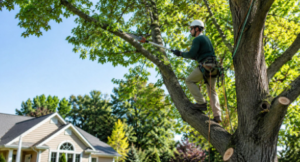

Montana wind and heavy snow test every tree on your property. A weak branch that looks fine in September can drop onto your roof, car, or fence by January. If you’re searching for tree pruning services in billing mt, you likely want to know when to prune, what to ask a crew, and what mistakes to avoid. This guide covers all three.
What Is Tree Pruning, and When Is the Best Time?
Tree pruning is the careful removal of specific branches to improve a tree’s health, shape, and safety. For most landscape trees, the best time is the dormant season, from late winter to early spring. Dead, damaged, or diseased branches can come off at any time of year.
That’s the short answer. The rest of this guide explains why, and how to handle the exceptions.
Why Does Pruning Matter in Billings?
Our weather is hard on trees. Snow loads, freeze-thaw cycles, and drought can stress even tough plants, and regular pruning helps prevent broken limbs from wind or snow. Pruning also removes weak spots before a storm finds them. A tree with a strong frame and open branches handles a gusty Billings night far better than a crowded, overgrown one.
Can You Prune Trees in the Fall?
Mostly, no. Fresh cuts need time to heal, and fall pruning leaves them no time before winter. New growth can also be damaged by frost. Heavy summer pruning isn’t a good idea either, because it can stress trees and cause heat and sun injury.
If you spot a cracked or hanging branch this fall, don’t wait. Hazard branches should come down right away. For everything else, plan your pruning for late winter.
How Often Should Trees Be Pruned?
Most trees in Billings benefit from pruning every three to five years. Young trees need shaping more often, so they grow a strong frame. Older trees need less frequent work, but their branches get heavier and riskier with age.
What Are the Signs Your Tree Needs Pruning?
Walk your yard and look for these:
- Dead branches: No leaves in summer, or bark that’s peeling off.
- Rubbing or crossing limbs: They wear wounds into each other.
- Branches over your roof or driveway: Wind and snow can bring them down.
- Branches near power lines: Never prune these yourself. Call your utility company.
- Cracks, cankers, or oozing bark: These can point to disease. Cytospora canker is common on cottonwoods, aspens, and fruit trees here.
- Crowded growth: Thick canopies block light and trap moisture.
What Is the Difference Between Pruning and Trimming?
People use both words for the same job, but they aren’t identical. Trimming removes obstructive limbs and overgrown parts, while pruning focuses on the tree’s health. A good crew often does both in one visit.
What Pruning Mistakes Can Hurt Your Trees?
Bad pruning does more harm than no pruning. Watch for these:
- Topping: Chopping off the top of a tree leaves weak shoots and open wounds.
- Taking too much: Don’t remove more than about a quarter of the canopy at once.
- Bad cuts: Cut just outside the collar, the slight ridge where a branch meets its parent limb. Don’t leave long stubs, and don’t cut flush with the trunk.
- Wrong timing: Spring bloomers like lilacs are an exception. Prune them right after they flower or you’ll lose next year’s blooms.
Can You Prune Trees Yourself?
Small branches you can reach from the ground are fair game. Use sharp, clean tools and make clean cuts. Stop there. Anything that needs a ladder, a chainsaw over your head, or a spot near a power line is a job for a trained crew. Falls and kickback injure homeowners every year.
What Happens During a Pruning Visit?
A good visit follows a clear order. The crew looks over each tree first and picks out the dead, weak, and crossing branches. Next, they make clean cuts in the right spots, starting with the biggest risks. Then they clear the branches and sawdust, so your yard looks tidy when they leave. Ask the crew to explain the plan before the first cut. You should know what’s coming off and why.
When Is Pruning Not Enough?
Some trees can’t be saved by pruning. A leaning trunk, a deep crack, large dead sections, or roots lifting the ground are signs the tree may be failing. In that case, talk to a tree removal company about taking it down before a storm makes the decision for you. A good crew will tell you honestly whether the tree can be saved.
How Do You Choose a Tree Pruning in Billings MT Company?
Ask a few direct questions before you book:
- Will you walk the property and explain what you plan to cut?
- Do you avoid topping?
- Is cleanup included?
- Are you insured?
- Can you prune and remove in the same visit if a tree needs both?
A good crew will answer plainly and won’t push you to cut more than the tree needs.
Keep Your Trees Safe This Winter
Good pruning is simple: right time, right cuts, and no more than the tree needs. For most trees, that means a late-winter visit and a plan for the next few years. If you’re comparing tree pruning services in billing mt, Alpine Tree & Lawn can walk your property, look at each tree, and tell you what needs attention first. Give them a call, or send a photo of the branch that worries you.