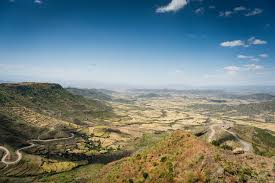

Imagine standing on a rocky mountain ridge in northern Ethiopia, looking down into the earth, and seeing a massive, perfectly carved cross-shaped church sitting entirely below ground level. This is Lalibela, often called the “Eighth Wonder of the World.”

Unlike traditional churches built from the ground up, these structures were carved directly down into solid volcanic bedrock. Over 800 years later, they remain active places of worship, filling daily with the sounds of chanting priests and pilgrims wrapped in white shawls.
If you are planning a journey to this incredible UNESCO World Heritage site, this practical guide covers everything you need to know before you go.
Who built the Lalibela churches?
The history of Lalibela is a blend of historical records and deep spiritual legends. The churches were built in the late 12th and early 13th centuries under the direction of King Lalibela, a ruler of the Zagwe dynasty.
After Jerusalem fell to Muslim conquests, King Lalibela wanted to build a “New Jerusalem” in the Ethiopian highlands so his people would not have to make the dangerous pilgrimage to the Holy Land. He even named the local river after the Jordan River.
According to local Ethiopian Orthodox tradition, the construction took 24 years. While human stonemasons worked tirelessly during the day, the legend says that angels descended at night to double the speed of the work, carving the intricate details in the dark.
How do you get to Lalibela from Addis Ababa?
The easiest and most practical way to reach Lalibela is by taking a domestic flight from Addis Ababa’s Bole International Airport.
- By Air: Ethiopian Airlines operates daily flights directly to Lalibela Airport, which take about 55 minutes. This is highly recommended because it saves you days of travel. The airport is about 23 kilometers from the town center, and you can easily catch a shared minibus or arrange a hotel shuttle to your accommodation.
- By Road: While you can take a long-distance bus from Addis Ababa, the journey is incredibly exhausting and takes two full days on rough, mountainous roads. If you have limited time, flying is the best choice.
How many days do you need in Lalibela?
To truly experience Lalibela without rushing, you should spend at least two to three days there.
The 11 churches are split into three main clusters:
- The Northwestern Cluster: Home to Biete Medhane Alem (the largest monolithic church in the world) and Biete Mariam.
- The Southeastern Cluster: Features churches carved into cliff faces, connected by dark, narrow underground tunnels and trenches.
- The Church of Saint George (Biete Giyorgis): The iconic, isolated cross-shaped church that stands on its own and is the most famous image of Ethiopia.
Taking two or three days allows you to split your visits between the mornings and late afternoons, avoiding the midday heat and giving you time to absorb the atmosphere of each site.
What is the best time of year to visit Lalibela?
Lalibela sits at an altitude of 2,500 meters, keeping the weather cool and comfortable year-round. However, the best time to visit is during the dry season, which runs from October to March.
If you want to witness Lalibela at its most vibrant, plan your visit around major religious holidays:
- Ledet (Ethiopian Christmas): Celebrated on January 7th.
- Timkat (Epiphany): Celebrated on January 19th.
During these festivals, tens of thousands of pilgrims dressed in white gather around the churches, creating an unforgettable atmosphere of singing, dancing, and prayer. If you visit during these times, make sure to book your flights and hotels months in advance.
What should you wear when visiting the churches?
Because these are active, holy spaces, you must dress respectfully:
- Dress Modestly: Both men and women should keep their shoulders and knees covered. Long pants and long-sleeved shirts are ideal.
- Wear Head Coverings: Women are expected to cover their heads with a scarf or shawl inside the church compounds.
- Slip-On Shoes: You must remove your shoes before entering any of the churches. Wear slip-on shoes or shoes that are easy to take off and put back on.
- Bring Thick Socks: The ancient stone floors inside the churches can be cold, dusty, and uneven. Wearing thick socks keeps your feet comfortable.
Do you need a tourist visa to visit Lalibela?
Yes, most international travelers require a visa to enter Ethiopia. Fortunately, you do not need to spend hours visiting an embassy or waiting in stressful airport lines. You can easily apply for an Ethiopia Tourist Visa online from the comfort of your home.
Getting your digital eVisa beforehand ensures a smooth landing at Addis Ababa so you can focus entirely on enjoying your adventure to Lalibela.
Why Choose Us?
Planning a trip to Ethiopia should be exciting, not stressful. Let us take care of the paperwork so you can focus on packing your bags.
- Reliable Travel Visa Services: Our global approach has assisted numerous travelers in obtaining their visas successfully and securely.
- Round-the-Clock Assistance: Reach out to us 24/7, and our visa experts will respond to your queries within 72 hours.
- Experienced Visa Consultants: Receive expert guidance and review of your application to ensure high acceptance rates.
- Efficient Visa Application Process: Apply for your Ethiopia tourist visa in minutes with our highly simplified online form.
Get started today and secure your entry to one of the world’s most historic destinations!