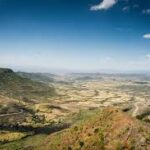

Imagine standing on a landscape so gray, cracked, and barren that you might mistake it for the surface of the Moon. Around you, small clay mounds rise from the earth, occasionally letting out soft, rhythmic plops and belches. Every few seconds, a bubble of cool, gray mud swells up and bursts, oozing slowly down the side of its miniature crater.

This is not a sci-fi movie set. It is the reality of Azerbaijan’s mud volcanoes, one of the most bizarre and fascinating natural wonders on our planet.
If you are planning a trip to Azerbaijan, this surreal landscape belongs at the very top of your travel bucket list. Before you start booking your flights, make sure to apply for your Azerbaijan visa online so your entry into the country is completely seamless and hassle-free. In this guide, we will answer the most common questions travelers ask about these strange geological features, helping you plan the perfect day trip from Baku.
What are mud volcanoes and how do they work?
When most people hear the word “volcano,” they picture boiling red lava, ash clouds, and intense heat. Mud volcanoes are completely different.
Instead of magma, these formations erupt with a thick mixture of mud, water, and gases—mainly methane. Deep underground, high-pressure gas pockets push their way upward through sedimentary layers of the earth, dragging mud and minerals along with them.
Because there is no molten rock involved, the mud that bubbles up is usually cold. If you stick your finger in a fresh puddle at one of Azerbaijan’s main sites, you will find it is actually cool and refreshing to the touch, matching the underground temperature.
Occasionally, though, these volcanoes can show their fiery side. If the underground gas pressure gets too intense, it can cause dramatic explosions. When the escaping methane gas catches a spark, massive columns of fire can shoot hundreds of meters into the sky, though this is a rare event that typically happens far from tourist paths.
Why does Azerbaijan have so many mud volcanoes?
Azerbaijan is known as the “mud volcano capital of the world,” and for good reason. There are roughly 700 to 1,000 mud volcanoes on Earth, and Azerbaijan is home to nearly 400 of them.
The reason behind this massive concentration is geological. Azerbaijan sits on top of massive, deep-lying oil and gas reserves, particularly around the Caspian Sea basin. The movement of tectonic plates in this region creates high pressure in the deep sedimentary layers. When this pressure meets the abundant natural gas deposits, it creates the perfect recipe for mud volcanic activity.
You can find these formations all over the country—on land, hidden beneath the waves of the Caspian Sea, and even forming small, temporary islands off the coast.
Where is the best place to see mud volcanoes in Azerbaijan?
While mud volcanoes are scattered across the country, the most accessible and exciting spots are located just a short drive from the capital city, Baku.
1. Gobustan (Qobustan) National Park
This is the most popular area for travelers. Located about 60 to 70 kilometers southwest of Baku, Gobustan is a UNESCO World Heritage Site famous for both its ancient rock petroglyphs and its bubbling mud fields.
2. The Mud Volcanoes Tourism Complex (Gilinj Volcano)
Opened recently in Gobustan, this modern complex makes visiting the mud volcanoes incredibly easy and comfortable. Instead of hiking through rough, muddy tracks, you can enjoy paved boardwalks, an informative science center, and even rent golf carts or quad bikes to explore the field.
3. Dashgil Hill
If you want a more rugged, raw experience, Dashgil Hill is nearby. The volcanoes here are larger and noisier, often letting out loud, deep gasps. The landscape is wide open and looks entirely otherworldly.
Are Azerbaijani mud volcanoes safe to visit?
Yes, they are highly safe to visit, provided you use basic common sense. Because the mud is cold, you do not have to worry about getting burned. However, there are a few safety tips to keep in mind:
- Watch your step: The ground around active vents can look dry and solid, but it might actually be a thin, dry crust hovering over soft, wet mud. If you step in the wrong place, you might sink up to your knees.
- Keep your distance from active pits: While touching the mud is fine, avoid climbing into deep active craters.
- Mind the weather: Avoid visiting right after heavy rain. The dirt tracks leading to the raw sites turn into incredibly slick clay that can trap even the sturdiest 4×4 vehicles.
Can you use the volcano mud for skincare?
Absolutely! The mud that bubbles up from these vents is packed with rich minerals. In fact, it contains over 100 different minerals and around 30 chemical microelements, including barium, copper, and manganese.
Local Azerbaijanis have used this mud for generations as a natural remedy for skin conditions, joint pain, and inflammation. Many tourists scoop up a little bit of the fresh, wet mud to apply to their hands or face as a quick, organic spa mask. Once it dries in the sun, you can easily wipe it away with water or wet wipes, leaving your skin feeling remarkably soft.
How do you get to the mud volcanoes from Baku?
Getting to the volcanoes takes about an hour from Baku. Because the final stretch of road leading to the wilder volcano fields (outside the tourist complex) consists of unpaved, bumpy dirt tracks, a standard rental sedan is not recommended.
Here are the best ways to get there:
- Book a guided day tour: This is the easiest option. Most tours from Baku combine a trip to the mud volcanoes with a visit to the Gobustan Petroglyph Museum, the Ateshgah Fire Temple, and Yanardag (the burning mountain).
- Hire a local 4×4 driver: If you take a regular taxi from Baku to Gobustan, the driver will likely drop you off at a designated meeting point. From there, you can hire a local driver with a rugged Lada or 4×4 vehicle to take you over the bumpy terrain to the volcanoes.
- Visit the Tourism Complex: If you prefer a smooth, self-driven trip, you can drive a standard car directly to the new Mud Volcanoes Tourism Complex, which features proper roads and parking.
What should you pack for a mud volcano trip?
To make the most of your adventure, make sure to pack:
- Old shoes and clothes: You will get dusty, and there is a high chance of getting gray clay on your shoes. Leave your favorite white sneakers at the hotel.
- Wet wipes and water: Essential for washing the volcanic clay off your hands and face.
- Sun protection: The semi-desert landscape of Gobustan has virtually no shade. Bring a hat, sunglasses, and plenty of sunscreen.
- Small cash notes (Manat): If you plan to hire a local driver or buy snacks from roadside vendors, you will need cash, as card readers are rare in rural areas.
How do I get a visa for my Azerbaijan trip?
Ready to witness this bubbling natural wonder with your own eyes? Before you pack your bags, you will need to secure your travel documents. Fortunately, getting an Azerbaijan Tourist e-Visa is simpler than ever thanks to the electronic visa system.
If you want a hassle-free experience, we are here to help you get your travel papers sorted quickly.
Why Choose Us?
- Reliable Travel Visa Services: Our global approach has successfully assisted numerous travelers in obtaining their visas with peace of mind.
- Round-the-Clock Assistance: Reach out to us 24/7, and our dedicated experts will respond to your queries within 72 hours.
- Experienced Visa Consultants: Receive professional, expert guidance to ensure your application is filled out correctly and accepted smoothly.
- Efficient Visa Application Process: No long queues or confusing paperwork. Apply for your Azerbaijan visa in just a few minutes using our simplified, user-friendly online form.
Start planning your adventure today and secure your Azerbaijan Tourist e-Visa with us!