
Priapus Injection or P shot Injection in Dubai refers to a platelet-rich plasma (PRP) procedure in which a concentrated preparation derived from a patient’s own blood is injected into selected penile tissues. The proposed goal is to support tissue signaling and vascular function, although current clinical evidence remains mixed and does not establish PRP as a guaranteed treatment for erectile dysfunction.
Unlike conventional erectile dysfunction medications, the P-Shot is marketed as a regenerative approach rather than a treatment that directly produces an erection. The quality of patient selection, PRP preparation, injection technique, anatomical assessment, and realistic counseling therefore matters considerably.
How Priapus Injection or P-Shot Injection in Dubai Works
What Is the PRP Used in a P-Shot?
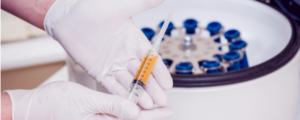
PRP is produced from a small sample of the patient’s own blood. The blood is processed to concentrate platelets and associated biological components before the resulting preparation is used for injection.
Platelets contain signaling substances involved in processes such as tissue repair, inflammation modulation, and angiogenesis. These biological mechanisms provide the rationale for investigating PRP in erectile dysfunction, but biological plausibility should not be confused with proven clinical effectiveness.
How Is the Injection Performed?
A medically supervised protocol generally involves several stages:
- A blood sample is collected using sterile technique.
- The sample is processed to prepare the PRP.
- The clinician evaluates the intended injection sites and relevant penile anatomy.
- Local comfort measures may be used where appropriate.
- PRP is administered through carefully selected injection points.
- The patient receives post-procedure instructions and follow-up guidance.
The precise preparation method, platelet concentration, injection volume, number of treatment sessions, and anatomical injection pattern can vary substantially between clinical studies. This lack of standardization is one reason published results are difficult to compare directly.
Why Injection Technique Matters
Penile tissue contains important vascular and anatomical structures, so injection should never be approached as a simple cosmetic procedure.
A qualified clinician needs to consider the location and depth of the intended injection, tissue characteristics, vascular anatomy, bleeding risk, infection-control requirements, and the underlying reason for erectile difficulties.
The objective should be controlled administration rather than simply maximizing the amount injected.
Priapus Injection or P-Shot Injection in Dubai Compared With Other Approaches
A P-Shot should not automatically be considered a replacement for established erectile dysfunction treatments. The appropriate option depends on the underlying cause, severity, cardiovascular and metabolic health, medications, psychological factors, and previous treatment response.
| Approach | General purpose | How it works | Evidence position |
|---|---|---|---|
| Priapus/P-Shot PRP | Regenerative approach | Uses autologous platelet-rich plasma | Investigational/emerging evidence; results remain inconsistent |
| PDE5 inhibitors | Improve erectile response | Enhance nitric-oxide-mediated blood flow | Established medical treatment |
| Vacuum erection devices | Support erection mechanically | Creates negative pressure around the penis | Established treatment option |
| Intracavernosal medications | Produce or support erection | Direct pharmacological action on penile blood flow | Established treatment under medical supervision |
| Lifestyle and risk-factor management | Address contributing factors | Improves cardiovascular and metabolic health | Important component of ED management |
Recent research illustrates why expectations around PRP need to remain measured. A 2026 meta-analysis of seven randomized controlled trials involving 479 patients found no significant overall advantage of platelet-rich therapies over placebo at several follow-up points, although a possible benefit at six months was observed in a smaller subset and requires cautious interpretation.
Other recent reviews have reported potentially favorable improvements in erectile-function scores, particularly among men with mild-to-moderate or vasculogenic erectile dysfunction. However, researchers continue to identify small sample sizes, differing PRP protocols, short follow-up periods, and inconsistent methodologies as limitations.
What This Means for Patients
The most responsible interpretation is that penile PRP remains an emerging treatment area rather than a universally established solution for erectile dysfunction.
A patient should be evaluated according to the cause of the problem rather than selecting PRP simply because it is described as a regenerative therapy.
Who May Be Considered for Priapus Injection or P-Shot Injection in Dubai?
Assessment Comes Before Injection
A proper assessment should establish whether erectile difficulty is primarily associated with vascular, metabolic, hormonal, neurological, medication-related, psychological, or mixed factors.
Depending on the clinical history, evaluation may include:
- Erectile-function assessment
- Medical and medication history
- Cardiovascular risk assessment
- Diabetes and metabolic-risk review
- Genitourinary examination
- Assessment of previous ED treatments
- Additional investigations when clinically indicated
This approach helps determine whether PRP is even an appropriate discussion for the individual patient.
For patients researching PRP treatment options in Dubai, the most important question is not simply whether the procedure is available, but whether the proposed treatment matches the patient’s clinical circumstances.
Patients Should Have Realistic Expectations
PRP should not be presented as a guaranteed method for increasing penile size, permanently curing erectile dysfunction, or producing an immediate erection.
The evidence is still evolving. Some controlled trials and meta-analyses have reported improvements in erectile-function measures, while newer analyses have emphasized that the overall certainty remains limited.
A medically responsible treatment plan should therefore explain both potential benefits and the uncertainty surrounding long-term outcomes.
Why Dubai Patients May Need Practical Planning
Dubai’s climate can also influence general post-procedure comfort. High outdoor temperatures, sweating, and prolonged exposure to intense heat can make recovery feel less comfortable, while strong indoor air conditioning can contribute to dry skin and general discomfort.
Patients should follow the specific aftercare instructions provided by their clinician rather than relying on generic advice. Timing the procedure around travel, strenuous activity, and a demanding schedule can also make practical recovery easier.
What Should Patients Ask Before a P-Shot Procedure?
Before proceeding with a Priapus or P-Shot injection, patients should understand exactly what is being offered.
Questions About the Treatment
Ask:
- What type of PRP preparation is being used?
- How is the PRP processed?
- What is the intended injection site?
- How many sessions are being proposed, and why?
- What evidence supports the specific protocol?
- What alternatives are available?
- What outcomes are realistic for my diagnosis?
- What complications should I watch for?
- How will follow-up be performed?
- What happens if there is no meaningful improvement?
These questions shift the conversation away from promotional claims and toward individualized medical decision-making.
Potential Side Effects and Risks
PRP uses material derived from the patient’s own blood, but that does not make the procedure risk-free.
Possible injection-related effects can include:
- Temporary soreness
- Swelling
- Bruising or hematoma
- Local tenderness
- Bleeding
- Infection
- Uncommon tissue-related complications
Published PRP studies in erectile dysfunction have generally reported relatively mild adverse events, but the available research is limited and protocols differ between studies.
Any severe pain, significant swelling, fever, unusual discoloration, or other concerning symptom after an injection should receive prompt medical assessment.
Is the P-Shot the Same as a Standard Penile Injection?
No. A P-Shot uses platelet-rich plasma, whereas conventional intracavernosal medications use pharmacological agents intended to directly influence penile blood flow.
The treatment objectives and evidence base are therefore different. Patients should confirm exactly which substance is being injected before treatment.
Priapus Injection or P-Shot Injection in Dubai: Understanding the Evidence
One of the most important distinctions in regenerative sexual medicine is the difference between promising research and established clinical effectiveness.
Early clinical studies produced encouraging findings, including improvements in International Index of Erectile Function measurements in some patient groups. Several 2024 and 2025 reviews similarly reported potential benefits while emphasizing limitations in study design and treatment standardization.
More recent evidence has become more cautious. A 2026 randomized-trial meta-analysis found low-to-moderate certainty evidence and concluded that platelet-rich therapies had not demonstrated consistent superiority over placebo across the principal erectile-function outcomes.
That evolving evidence is important for patients. A credible consultation should explain what is known, what remains uncertain, and how the procedure fits within the broader management of erectile dysfunction.
Frequently Asked Questions
Is Priapus Injection or P-Shot Injection in Dubai the same as PRP?
Yes. The P-Shot is commonly used as a commercial name for a penile PRP procedure, although protocols and preparation methods can differ between providers.
Does the P-Shot permanently cure erectile dysfunction?
No. Current evidence does not establish permanent resolution of erectile dysfunction following penile PRP.
Can PRP immediately produce an erection?
No. PRP is not designed to function like an immediate erection-producing medication.
Is the P-Shot suitable for every man with erectile dysfunction?
No. Suitability depends on the cause of erectile dysfunction, medical history, treatment goals, and clinical assessment.
How many P-Shot sessions are required?
There is no universally established number because published studies use different protocols and treatment schedules.
Does PRP increase penis size?
Penile PRP should not be marketed as a proven permanent penis-enlargement procedure. The primary research focus has been erectile function and related outcomes.
Is P-Shot treatment painful?
Some discomfort, tenderness, bruising, or swelling can occur after injections. The level of discomfort varies between individuals and depends on the technique used.
How long do P-Shot results last?
There is no reliably established duration of benefit. Research has followed patients for different periods, and long-term effectiveness remains uncertain.
Is P-Shot treatment considered regenerative medicine?
It is generally described as a regenerative or biologic approach because it uses autologous platelet-rich plasma. However, the clinical effectiveness of PRP for erectile dysfunction remains under investigation.
The Strategic Investment
The real value of considering Priapus Injection or P shot Injection in Dubai is not in treating a marketing label; it is in receiving an individualized assessment that identifies the underlying erectile-health concern and places PRP within an appropriate treatment strategy. Current research suggests biological potential, but the evidence remains inconsistent, so patients should prioritize transparent medical advice, realistic expectations, appropriate technique, and structured follow-up.
For men considering a medically supervised aesthetic and wellness pathway, Tajmeels Clinic can be considered as a starting point for discussing available options and determining whether a consultation is appropriate for their individual goals.