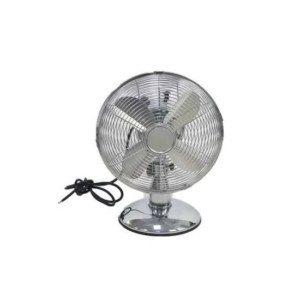

Electric fans remain an important cooling option for households and commercial spaces across Europe, offering accessible airflow without requiring complex installation. The category includes ceiling fans, pedestal fans, table fans, tower fans, wall-mounted models, and other electric-powered designs. Consumers increasingly consider factors such as airflow performance, energy consumption, noise levels, portability, appearance, and smart controls when choosing cooling appliances.
A recent study by MarkNtel Advisors highlights that the electric fan market in Europe was valued at USD 3.98 billion in 2025 and is projected to reach USD 4.55 billion in 2026, further expanding to USD 7.37 billion by 2032, registering a CAGR of 5.80% during 2026–2032. The category is supported by rising cooling requirements, changing summer conditions, product innovation, and growing consumer attention toward efficient household appliances.
Rising Temperatures Increase Cooling Requirements
Europe is experiencing more frequent and intense heatwaves, increasing the importance of accessible cooling solutions. The European Environment Agency notes that Europe is the fastest-warming continent, with temperatures increasing and heatwaves becoming longer and more severe.
Higher summer temperatures can make indoor comfort more challenging, particularly in buildings that were designed primarily around colder weather conditions. Electric fans can provide immediate air movement and help occupants manage personal comfort during warm periods.
The EEA’s analysis of sustainable cooling in Europe also highlights rising demand for cooling in buildings as temperatures increase across the region. This creates greater attention toward cooling solutions that can be used efficiently and appropriately.
Energy Efficiency Shapes Product Selection
Energy consumption is becoming an important consideration for European consumers when purchasing electrical appliances. Fan manufacturers are therefore focusing on motor efficiency, airflow performance, operating modes, and controls that can help users manage energy consumption.
The European Commission’s information on air conditioners and comfort fans states that Ecodesign requirements covering comfort fans include minimum energy performance, maximum sound levels, and product information. These requirements encourage manufacturers to consider efficiency and product performance when developing models for the European market.
Different Designs Meet Consumer Preferences
The wide variety of electric fan formats allows consumers to select products according to room size, available space, installation preferences, and desired airflow. Table fans can provide localized cooling, while pedestal fans offer adjustable height and broader air circulation.
Tower fans can appeal to consumers looking for compact appliances that fit easily into contemporary interiors. Ceiling fans can provide wider air movement across rooms, while wall-mounted models can save floor space in areas where positioning options are limited.
Smart Features Improve Convenience
Technology is adding new functionality to electric fans. Remote controls, digital displays, programmable timers, multiple speed settings, oscillation, sleep modes, and smart connectivity can make operation easier and more personalized.
Consumers can use these features to adjust airflow according to different times of the day or individual comfort requirements. Timers can also prevent unnecessary operation when rooms are unoccupied, while multiple speed levels allow users to select airflow according to changing temperatures.
Design Becomes Part of the Buying Decision
Electric fans are no longer viewed only as functional appliances. Their placement within bedrooms, living rooms, offices, and other visible spaces means appearance can influence purchasing decisions.
Manufacturers are introducing slimmer profiles, modern finishes, compact structures, and designs intended to complement contemporary interiors. Tower and pedestal models can combine practical airflow with visual appeal, while ceiling fans can serve as both cooling appliances and interior features.
Commercial Use Creates Additional Demand
Electric fans are also used in offices, retail stores, restaurants, hospitality facilities, workshops, warehouses, and other commercial environments. These users may prioritize durability, airflow coverage, adjustable operation, and reliability.
Commercial spaces can require different fan configurations depending on their size and layout. Portable models may provide flexibility, while fixed installations can offer consistent airflow in designated areas.
Online Retail Expands Product Accessibility
E-commerce is giving consumers greater access to different fan models and specifications. Online platforms allow shoppers to compare dimensions, airflow settings, noise levels, energy-related information, features, prices, and customer reviews before purchasing.
The European Commission’s consumer guidance on energy-efficient products encourages consumers to consider energy efficiency, durability, reparability, and total ownership costs when purchasing appliances. This broader focus can influence how consumers evaluate electric fans alongside other household equipment.
Seasonal Demand Encourages Product Innovation
Electric fan demand can increase during periods of high temperatures, making seasonal readiness important for manufacturers and retailers. Heatwaves can lead consumers to seek immediate cooling solutions, particularly where permanent cooling equipment is unavailable or unsuitable.
This creates opportunities for brands to improve product availability, develop efficient models, and offer features designed around summer comfort. Compact and portable fans can be particularly useful for consumers who want flexibility across different rooms.
Efficient Cooling Supports Future Adoption
Europe’s electric fan category is being shaped by warmer summer conditions, greater attention to energy consumption, diverse product formats, smart functionality, and changing consumer expectations. Manufacturers are responding with products that combine airflow performance, convenience, efficient operation, and contemporary design.
Future product development is likely to focus on quieter motors, improved airflow, lower energy consumption, smart controls, compact construction, and user-friendly operation. As European households and businesses continue adapting to warmer conditions, electric fans can remain a practical and flexible option for maintaining indoor comfort.