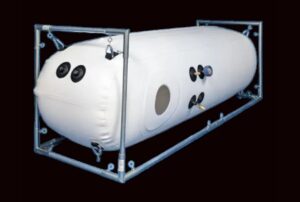

A portable hyperbaric oxygen chamber is gaining attention in wellness clinics, sports recovery spaces, and even home setups across the United States. It is designed to increase oxygen availability in the body under controlled pressure conditions. Many people are drawn to it for recovery, fatigue, or injury support, but they often lack clear information. The marketing is strong, but the real science behind it is less understood. This gap creates confusion for first-time users trying to decide if it is worth it.
A portable hyperbaric oxygen chamber works on a simple idea of increasing atmospheric pressure so oxygen dissolves more effectively in body fluids. This process can improve oxygen delivery to tissues that may have reduced circulation. However, expectations are often higher than what research supports for general wellness use. It has legitimate medical applications, but those are usually done in controlled clinical environments. Understanding this difference is important before considering use or purchase.
The Science Behind Oxygen Under Pressure
To understand a portable hyperbaric oxygen chamber, it helps to understand how oxygen behaves under pressure. Normally, oxygen is carried by red blood cells through hemoglobin. Inside a pressurized environment, oxygen can also dissolve directly into plasma, increasing overall oxygen delivery. This is the basic scientific principle behind hyperbaric oxygen therapy. It is not magic, but physics applied to human physiology.
A portable hyperbaric oxygen chamber typically operates at lower pressure levels compared to hospital systems. Most home-use models range between 1.3 ATA and 1.5 ATA, while medical-grade chambers can go higher under supervision. According to the Undersea and Hyperbaric Medical Society (UHMS), higher pressures are needed for FDA-approved medical treatments. This includes conditions like decompression sickness and certain wound healing cases. The difference in pressure directly affects the level of oxygen absorption in the body.
Clinical use in the United States has shown benefits for specific medical conditions. For example, diabetic foot ulcer patients in hospital HBOT programs have demonstrated improved healing outcomes when combined with standard care. These results are based on controlled environments and professional monitoring. However, translating these outcomes directly to home-use systems is not always accurate. This is where scientific evidence and consumer expectations often diverge.
Confusion, Hype, and Real-World Misunderstandings
The rise in popularity of oxygen therapy has created strong demand for at-home solutions. Many people search for a portable hyperbaric oxygen chamber expecting fast recovery or performance enhancement. This demand has led to aggressive marketing across wellness and fitness industries in the United States. Claims often highlight energy boosts, anti-aging effects, and faster healing. However, many of these claims are not strongly supported by large clinical studies.
In several U.S. wellness centers, particularly in states like California and Texas, interest in hyperbaric therapy has grown among athletes and high-performance individuals. Some users report improved recovery and reduced soreness after sessions, but these are mostly personal experiences. The FDA has only approved HBOT for specific medical conditions, not general wellness or athletic enhancement. This distinction is often missed in consumer advertising. As a result, expectations can become unrealistic.
Safety is another area where misunderstandings happen. Many users assume a portable hyperbaric oxygen chamber is completely risk-free because it is designed for home use. In reality, pressure changes can still cause discomfort such as ear barotrauma or sinus pressure. Oxygen concentration at elevated levels also requires careful use. Even non-medical systems require guidelines to avoid misuse or overuse.
How a Portable Hyperbaric Oxygen Chamber Works in Practice
A portable hyperbaric oxygen chamber is usually a soft, sealed enclosure connected to an external air compressor system. Once a user enters, the chamber is gradually pressurized to a controlled level. Oxygen concentration increases, allowing more oxygen to dissolve into blood plasma. Sessions generally last between 60 and 90 minutes depending on the setup. The goal is to temporarily increase oxygen availability in body tissues.
Inside a portable hyperbaric oxygen chamber, users may feel sensations similar to air pressure changes during a flight. This includes mild ear popping or pressure adjustments. The oxygen-rich environment supports short-term oxygen diffusion into tissues. Some sports recovery facilities in the United States use similar setups as part of broader rehabilitation programs. However, it is usually combined with physical therapy, not used alone.
A soft shell hyperbaric chamber for sale in the U.S. market is often designed for convenience and home use. These systems are lighter, easier to install, and operate at lower pressure levels compared to clinical chambers. Manufacturers often emphasize comfort, portability, and wellness benefits. However, users must understand that lower pressure also means different physiological effects. This makes it important to set realistic expectations before purchase.
Who Benefits from It: Real Use Cases in the U.S.
Athletes are among the most common users exploring hyperbaric oxygen therapy in the United States. In training facilities across states like Arizona and Colorado, some recovery centers include oxygen therapy in their programs. It is used to support muscle recovery and reduce post-exercise fatigue. However, it is typically part of a multi-therapy approach that includes nutrition and physiotherapy. It is not considered a standalone performance solution.
Medical use cases are more clearly defined in clinical settings. Hospitals in the U.S. use hyperbaric oxygen therapy for conditions such as non-healing wounds, radiation injuries, and decompression sickness. These treatments are strictly supervised and follow FDA-approved protocols. Patients with chronic wounds often show improved healing rates under medical HBOT programs. These outcomes are significantly different from general wellness applications.
Many individuals also purchase a portable hyperbaric oxygen chamber for home wellness use. They hope to improve sleep quality, energy levels, or mental clarity. While some users report positive experiences, scientific evidence for these general claims remains limited. Most benefits in research are tied to specific medical conditions rather than general use. This makes it important to separate anecdotal feedback from clinical data.
Market Reality and Choosing the Right System
The hyperbaric oxygen therapy market in the United States has expanded rapidly in recent years. Buyers often compare medical-grade systems with home-use alternatives before making decisions. A soft shell hyperbaric chamber for sale is usually positioned as an entry-level option for personal or small clinic use. These systems are more affordable but operate at lower pressure ranges. This directly impacts their effectiveness for medical-grade treatments.
A portable hyperbaric oxygen chamber is often marketed toward wellness users rather than hospital applications. Pricing varies widely depending on build quality, brand, and pressure capability. Some users prioritize convenience and home access, while others look for clinical-level performance. It is important to understand that not all systems are designed for the same purpose. Making an informed choice depends on understanding these limitations clearly.
Regulatory oversight also plays a role in product quality and claims. In the United States, FDA-approved hyperbaric systems are restricted to specific medical indications. Consumer models must avoid making medical claims without approval. This creates a wide gap between marketing language and actual approved usage. Buyers should evaluate products based on specifications, not promotional promises.
Conclusion
A portable hyperbaric oxygen chamber represents an interesting application of pressure-based oxygen therapy. It has real scientific foundations and proven medical uses in controlled environments. However, its effectiveness for general wellness depends heavily on expectations and usage context. It is not a universal solution for recovery or performance enhancement. Understanding its limits is just as important as understanding its benefits.
For buyers considering a soft shell hyperbaric chamber for sale, the most important step is education before investment. Knowing how pressure levels, oxygen diffusion, and clinical evidence work helps prevent unrealistic expectations. While the technology continues to grow in popularity, its true value lies in specific, medically guided applications. As research continues, more clarity may emerge in the future. Until then, informed and cautious use remains the most practical approach.