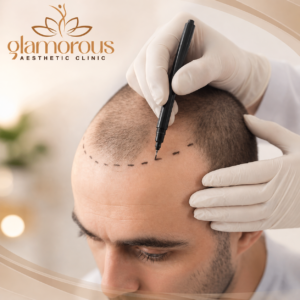

Hair loss can affect confidence, appearance and the way a person feels about themselves in daily life. Over the past two decades, the science behind restoring hair has advanced enormously, moving from crude and visible results to refined, natural-looking outcomes. For anyone considering Hair Transplant in Islamabad understanding the techniques available today is the first step toward making an informed decision. This guide explains how modern methods work, who they suit and what to expect from the process.
Understanding How a Hair Transplant Works
A hair transplant is a surgical procedure that relocates hair follicles from one part of the scalp, known as the donor area, to areas where hair is thinning or absent, known as the recipient area. The donor area is usually the back and sides of the head, because hair in this region is genetically resistant to the hormone that causes pattern baldness. When these follicles are moved, they typically keep their resistance and continue to grow in their new location.The transplanted hairs usually shed within the first few weeks, which is a normal part of the process. New growth then begins from the same follicles over the following months. Because this growth is gradual, patience is an essential part of any hair restoration journey.
Follicular Unit Extraction (FUE)
Follicular Unit Extraction, commonly called FUE, is among the most popular techniques in use today. In this method, individual follicular units, which are natural groupings of one to four hairs, are removed one at a time from the donor area using a small circular punch tool. The extracted grafts are then implanted into tiny incisions made in the recipient area.One of the main advantages of FUE is that it does not require a linear incision across the back of the scalp. Instead, it leaves small, scattered marks that are generally not noticeable once the hair grows back, even if the hair is worn short. Recovery is often more comfortable than with older approaches, and many patients return to normal routines fairly quickly.FUE can be time-consuming because each graft is harvested individually, and the number of grafts that can be taken in one session depends on donor density and the surgeon’s judgment. It suits a wide range of patients, particularly those who want the freedom to wear their hair short.
Follicular Unit Transplantation (FUT)
Follicular Unit Transplantation, also known as the strip method, takes a different approach to harvesting. A thin strip of scalp is removed from the donor area, and the surgical team then dissects it under magnification into individual grafts. The donor site is closed with sutures, leaving a fine linear scar that is usually hidden by surrounding hair.FUT can allow a larger number of grafts to be collected in a single session, which may be useful for patients with extensive hair loss. The trade-off is the linear scar, which can become visible if the hair is cut very short. Your surgeon can explain whether this technique suits your hair characteristics and lifestyle.
Direct Hair Implantation (DHI)
Direct Hair Implantation is a refinement of the FUE concept. Like FUE, it involves extracting follicles individually. The difference lies in how the grafts are placed. Instead of creating channels first and then placing the grafts, DHI uses a specialized pen-like implanter that makes the incision and inserts the graft in a single step.This approach gives the surgeon greater control over the angle, direction and depth of each implanted hair, which can help create a natural-looking hairline. Some patients and practitioners also value the potential for denser placement. As with any technique, results depend heavily on the skill and experience of the person performing the procedure rather than on the method name alone.
Sapphire FUE and Refined Incision Methods
Another development in modern hair restoration is the use of sapphire blades to create the recipient channels. These blades are extremely fine and have a very sharp tip, allowing for smaller, more precise incisions. Smaller channels may help the skin heal more smoothly, and some patients experience less post-procedure redness.While this refinement has gained popularity, it is important to remember that no tool alone guarantees a better result. Careful planning, correct graft handling and a surgeon’s artistic judgment remain the most important factors behind a natural outcome.
Robotic and Technology-Assisted Systems
Technology has also entered the hair transplant field. Some clinics use digital imaging and computer-assisted systems to analyze the scalp, measure hair density and assist with planning. Robotic devices can help identify and harvest suitable follicles with consistent precision.These tools can support the process, but they do not replace the surgeon. Design of the hairline, selection of graft placement and decisions about density still require human experience and aesthetic judgment. A good clinic uses technology as a helpful aid rather than a substitute for expertise.
Platelet-Rich Plasma as a Supportive Treatment
Platelet-Rich Plasma therapy, often called PRP, is frequently combined with hair transplantation as a supportive treatment. It involves taking a small sample of the patient’s own blood, processing it to concentrate the platelets and then injecting it into the scalp. The aim is to support healing and encourage the health of existing and transplanted follicles.Research on PRP continues, and individual responses vary. Many practitioners offer it as a complementary option rather than a standalone solution. Your surgeon can discuss whether it is appropriate for your situation.
Choosing the Right Technique for You
No single method is best for every patient. The right choice depends on several factors, including the extent and pattern of hair loss, the quality and density of the donor area, hair type and texture, age, expectations and personal preferences about hairstyle and recovery.Someone who prefers to keep their hair very short may lean toward FUE or DHI to avoid a linear scar. A patient needing a large number of grafts might discuss whether FUT or a staged approach is more appropriate. A skilled surgeon will examine your scalp, explain the pros and cons of each method and recommend a plan tailored to you rather than pushing a single technique.
The Consultation and Planning Stage
A thorough consultation is the foundation of a successful transplant. During this visit, the surgeon assesses your scalp, studies your hair loss pattern and checks the strength of your donor area. They will also review your medical history, medications and any conditions that could affect healing or hair growth.Planning includes designing a hairline that suits your face shape, age and future hair loss pattern. A hairline that looks appropriate today but ignores how hair loss may progress can look unnatural years later. This is why honest guidance and realistic expectations matter more than promises of dramatic transformations.
What Happens on the Day of Surgery?
Hair transplants are generally performed as outpatient procedures under local anesthesia, so patients are awake but comfortable. The donor area is numbed, grafts are harvested, the recipient area is prepared, and the grafts are then placed according to the planned design. Depending on the number of grafts, the procedure can take many hours, with breaks for rest and refreshments.Most patients find the process more tolerable than they expected. Once finished, the team provides detailed aftercare instructions and a plan for follow-up.
Recovery and Aftercare
The first few days after surgery involve mild swelling, redness and small scabs in the treated areas. Following your surgeon’s instructions is critical. This usually includes sleeping with your head elevated, avoiding touching or scratching the grafts, using prescribed washing methods and staying away from strenuous activity, direct sun and swimming for a recommended period.The shedding of transplanted hair, often called shock loss, typically occurs in the first weeks and is normal. New hairs usually begin to appear after a few months and continue to thicken and mature gradually. Final results can take close to a year or longer to fully show, and the pace differs between individuals.
Risks and Realistic Expectations
Hair transplantation is generally considered safe when performed by qualified professionals in a proper facility, but it is still a surgical procedure and carries risks. These can include infection, bleeding, swelling, scarring, uneven growth, temporary numbness and, in some cases, graft loss. Choosing an experienced team and following aftercare closely helps reduce these risks.It is also important to understand that a transplant does not stop ongoing hair loss in untreated areas. Some patients continue medical treatment to protect their existing hair. No clinic can guarantee a specific outcome, and anyone who does should be approached with caution.
How to Choose a Reliable Clinic?
Selecting the right clinic matters as much as choosing the right technique. Look for a team with proven experience, clear communication and a willingness to explain both the benefits and limitations of treatment. Check that the facility follows proper hygiene and safety standards, and make sure the surgeon personally takes part in planning and key stages of the procedure.Be wary of aggressive discounts, exaggerated claims or pressure to commit quickly. A reputable provider encourages questions, offers a proper consultation and provides clear follow-up support.
Conclusion
Modern hair restoration offers more options than ever, from FUE and FUT to DHI, sapphire incisions and supportive therapies such as PRP. Each technique has its own strengths, and the best choice depends on your hair loss pattern, donor supply, lifestyle and goals. Technology can enhance precision, but the surgeon’s skill, planning and honesty remain the real foundation of a natural result. If you are considering treatment, begin with a detailed consultation, ask questions and set realistic expectations. With the right guidance and patience, a well-planned transplant can help you regain not only your hair but also your confidence.
Read More :
https://social.japrime.id/read-blog/586457