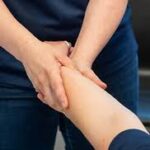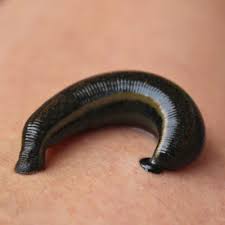

Leech therapy, also known as hirudotherapy, is a traditional therapeutic practice that involves the controlled use of medicinal leeches. The therapy has a long history in traditional medicine and continues to attract interest as a complementary treatment option. Today, medicinal leeches also have specific medical applications, particularly in situations involving impaired venous blood flow after certain reconstructive or microsurgical procedures.
For people considering leech therapy in Delhi, understanding its possible benefits, limitations, safety considerations, and the importance of professional supervision is essential. Like any therapy involving contact with the skin and blood, leech therapy should be performed using appropriate hygiene and safety measures.
What Is Leech Therapy?
Leech therapy involves placing specially selected medicinal leeches on specific areas under controlled conditions. Medicinal leeches attach to the skin and feed on blood. Their saliva contains biologically active substances, including hirudin, which has anticoagulant properties.
During feeding, a leech can cause prolonged local bleeding. This property is particularly useful in certain medical situations where venous congestion affects the healing of tissue grafts, flaps, or surgically reattached tissue. The U.S. FDA recognises medicinal leeches for use as an adjunct when venous congestion may delay healing in these situations.
Traditional and complementary practitioners may use leech therapy for other purposes, but the strength of scientific evidence varies depending on the condition being treated. Therefore, it is important to distinguish established medical applications from broader traditional claims.
Possible Benefits of Leech Therapy
The potential benefits of leech therapy depend greatly on the reason for treatment and the individual’s health condition.
1. Supporting Venous Blood Flow in Specific Medical Situations
One of the clearest modern medical applications of medicinal leeches is managing local venous congestion in certain surgical tissues.
When blood enters a reconstructed or grafted area more easily than it can leave, blood can accumulate and affect tissue healing. Medicinal leeches can create prolonged local bleeding and may help temporarily relieve this congestion.
This is a specialised medical application and should only be performed under appropriate clinical supervision.
2. Traditional Use for Certain Conditions
Leech therapy has historically been used in traditional medicine for a variety of health concerns. Some people today seek leech therapy in Delhi as a complementary approach for conditions involving pain, inflammation, or circulation.
However, traditional use alone does not establish that a therapy is effective for every condition. The available evidence should be considered before deciding on treatment.
3. Interest in Complementary Wellness
Some individuals explore hirudotherapy because they are interested in traditional approaches to healthcare. Complementary therapies may be used alongside conventional medical care when appropriate.
Patients should discuss complementary therapies with their healthcare providers, particularly when they have an existing medical condition or are taking medication.
How Does Leech Therapy Work?
A professional session begins with an assessment to determine whether the therapy is appropriate.
The treatment area is prepared carefully, and medicinal leeches are applied to selected areas. Once attached, the leech feeds and releases saliva containing biologically active compounds. After the required treatment period, the leech is removed according to appropriate clinical procedures.
The treated area may continue to bleed for some time because of the anticoagulant effects associated with leech saliva. Appropriate monitoring and wound care are therefore important.
Leech therapy should never be attempted using wild or unidentified leeches. Medicinal leeches intended for clinical use must be handled appropriately to reduce potential health risks.
Important Precautions Before Leech Therapy
If you are considering leech therapy in Delhi, safety should be a major priority.
Check the Practitioner’s Experience
Choose a practitioner or healthcare setting with appropriate training and experience. The person performing the treatment should understand patient selection, application techniques, bleeding management, and possible complications.
Discuss Your Medical History
Before treatment, tell the practitioner about your existing medical conditions and all medicines you take.
This is particularly important if you use anticoagulant or antiplatelet medicines because leech therapy can involve prolonged bleeding.
Consider Bleeding Risks
Because medicinal leeches can cause prolonged bleeding, people with certain bleeding disorders or significant anaemia may require special assessment or may not be suitable candidates.
Do not stop prescribed medication without medical advice.
Follow Strict Hygiene Procedures
Hygiene is essential because leech therapy involves an organism feeding on blood and can involve an open bite wound.
The FDA’s medicinal-leech records include reported problems involving microbial contamination and infections, highlighting why proper handling and infection-control procedures matter.
Use Appropriate Medicinal Leeches
A professional treatment setting should use medicinal leeches intended for therapeutic use rather than leeches collected from natural water sources.
Who Should Be Cautious About Leech Therapy?
Leech therapy may not be suitable for everyone. Extra caution or medical evaluation may be necessary for people who:
- Have bleeding or clotting disorders
- Have significant anaemia
- Take blood-thinning medication
- Have compromised immunity
- Have an active infection
- Have poor wound healing
- Have certain circulatory conditions
- Are pregnant or breastfeeding
- Have an allergy or previous adverse reaction to leech therapy
The appropriate decision depends on the individual’s health status and the reason for considering treatment.
If you have a chronic disease or take regular medication, discussing the therapy with your healthcare professional before treatment is advisable. NCCIH recommends discussing complementary approaches with healthcare providers and avoiding unproven approaches as substitutes for necessary conventional treatment.
Possible Side Effects
Leech therapy can produce temporary effects and, in some cases, complications.
Possible effects include:
- Minor bleeding
- Itching
- Local irritation
- Swelling
- Bruising
- Discomfort around the bite site
- Skin infection
- Prolonged bleeding
Infection is an important consideration. FDA records concerning medicinal leeches include reported bacterial infections and postoperative wound infections, reinforcing the need for proper clinical handling and monitoring.
Seek medical attention if you experience increasing redness, swelling, severe pain, pus, fever, excessive bleeding, or other signs of infection after treatment.
How to Choose a Leech Therapy Centre in Delhi
Finding a suitable centre involves more than searching for the closest option.
When looking for leech therapy in Delhi, consider:
- Practitioner qualifications and experience
- Clean and hygienic treatment facilities
- Use of appropriate medicinal leeches
- Proper patient assessment
- Safe disposal and handling procedures
- Clear explanation of risks and benefits
- Proper wound care and aftercare
- Willingness to coordinate with conventional healthcare providers
Avoid centres that make unrealistic promises or claim that leech therapy can cure every disease.
A trustworthy practitioner should explain what the treatment can and cannot reasonably achieve.
What to Expect After Treatment
After leech therapy, the treatment site may continue to bleed for a period of time. The area should be appropriately cleaned and dressed, and you should follow the aftercare instructions provided by the practitioner.
Monitor the treated area for unusual symptoms. Persistent or heavy bleeding, increasing pain, swelling, fever, or discharge should be evaluated by a healthcare professional.
Do not ignore concerning symptoms simply because they occur after a traditional or complementary treatment.
Frequently Asked Questions
What is leech therapy?
Leech therapy, or hirudotherapy, is a treatment involving medicinal leeches. Modern medicine uses medicinal leeches particularly for certain cases of venous congestion affecting surgical grafts, flaps, or reattached tissues.
Is leech therapy safe?
It can involve risks such as prolonged bleeding and infection. Safety depends on appropriate patient selection, medicinal leeches, hygiene, monitoring, and professional supervision.
Can everyone undergo leech therapy?
No. People with certain bleeding disorders, significant anaemia, medication-related bleeding risks, infections, and other health conditions may not be suitable candidates.
Does leech therapy hurt?
A leech bite can cause some discomfort, itching, or irritation. Individual experiences vary.
Can leech therapy replace conventional treatment?
No. It should not be used to delay or replace necessary medical diagnosis or treatment. Complementary approaches should be discussed with an appropriate healthcare professional.
Conclusion
Leech therapy in Delhi is a traditional therapy that continues to attract interest, while medicinal leeches also have specific modern medical applications. Their established clinical use includes helping manage venous congestion in certain surgical tissues where prolonged local bleeding can support healing.
For other health conditions, evidence may be more limited, so realistic expectations are important. Anyone considering treatment should choose a qualified practitioner, ensure appropriate hygiene and handling procedures, disclose relevant medical conditions and medications, and understand the possible risks.
Leech therapy should be viewed as a specialised or complementary approach rather than a universal cure. Making an informed decision with appropriate professional guidance is the best way to prioritise safety and responsible healthcare.