
For more than 40 years, Meet the Masters has been transforming the way elementary school students experience art education. Through its interactive, multimedia-based curriculum, the program has inspired millions of children worldwide to explore creativity, discover famous artists, and develop a lifelong appreciation for art. Designed specifically for K–8 students, Meet the Masters combines storytelling, hands-on projects, art history, and visual learning into one engaging educational experience that makes creativity exciting and accessible for every child.
Founded in 1985 by artist and educator Bonnie Steele, Meet the Masters was created during a time when many schools were reducing or eliminating art programs because of budget limitations. Steele believed that art education was essential for childhood development and that every student deserved the opportunity to explore creativity regardless of their artistic skill level. Her goal was to create a curriculum that schools could easily implement while still providing students with meaningful and inspiring artistic experiences. Over the decades, that vision has grown into one of the most respected art enrichment programs in elementary education.
What makes Meet the Masters different from traditional art programs is its immersive and highly interactive teaching approach. Instead of simply asking students to draw or paint, the curriculum introduces them to the stories, struggles, and achievements of some of history’s greatest artists. Children learn about world-famous creators such as Vincent van Gogh, Pablo Picasso, Claude Monet, Frida Kahlo, Leonardo da Vinci, Henri Matisse, and Marc Chagall through multimedia presentations that include slides, music, storytelling, props, costumes, games, and classroom discussions.
This approach helps students connect emotionally with art while understanding the historical and cultural context behind each masterpiece. Rather than memorizing facts from textbooks, children experience art in a way that feels exciting and memorable. They learn how artists expressed emotions, responded to historical events, and influenced the world through creativity. By understanding the human side of famous artists, students begin to see creativity as something personal and meaningful rather than distant or difficult.
One of the program’s greatest strengths is its structured three-step learning process. The first stage introduces students to a featured artist through an assembly-style presentation or interactive classroom lesson. During this stage, students learn about the artist’s background, artistic movement, and famous works while participating in discussions and activities that encourage curiosity and engagement.
The second stage focuses on technique development. Students complete guided exercises and worksheets designed to teach artistic concepts such as perspective, color theory, balance, composition, texture, rhythm, cubism, impressionism, and pointillism. These activities allow children to better understand how artists create visual effects and communicate ideas through art.
Finally, students apply what they have learned by creating their own original artwork inspired by the featured artist’s techniques and style. This hands-on creative process encourages imagination and self-expression while helping students build confidence in their abilities. Many children discover hidden talents and develop a sense of pride through the artwork they create during these lessons.
Another reason https://meetthemasters.com/artists/ has remained successful for more than four decades is its accessibility for educators and schools. The program is designed to be easy to teach, even for individuals without professional art training. Schools receive detailed lesson plans, PowerPoint presentations, scripts, visual aids, vocabulary cards, training videos, and supply recommendations that guide teachers and parent volunteers through every step of the curriculum.
This flexibility makes the program practical for schools with limited resources or tight academic schedules. Art specialists, classroom teachers, and volunteers can all successfully implement the lessons while maintaining a high-quality educational experience. Schools appreciate how simple the curriculum is to organize while still delivering professional and engaging results.
Meet the Masters also supports broader educational goals beyond artistic development. Research consistently shows that art education improves creativity, communication, problem-solving abilities, emotional expression, and critical thinking skills. Through interactive learning and creative projects, students learn how to analyze visual information, express their ideas, and approach challenges from different perspectives.
The program also encourages cultural awareness and global understanding. Students are introduced to artists from different countries, historical periods, and artistic movements, helping them explore how art reflects human history and cultural traditions. Lessons often connect naturally with subjects such as literature, geography, social studies, and history, creating a multidisciplinary educational experience that enriches classroom learning.
Teachers frequently report that students become more engaged, motivated, and confident after participating in Meet the Masters lessons. Children who may struggle with traditional academic subjects often thrive in creative environments where they can express themselves visually. The program gives students opportunities to succeed in new ways while developing confidence that extends beyond the art classroom.
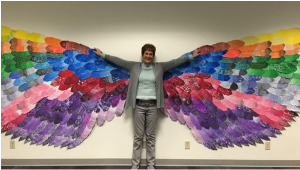
The impact of Meet the Masters can be clearly seen in school exhibitions and student galleries featuring impressive paintings, sculptures, and mixed-media projects created by elementary students. These showcases demonstrate how children with little or no previous art experience can create meaningful and visually striking artwork when given proper guidance and inspiration.
In recent years, Meet the Masters has also adapted to modern educational needs by offering virtual learning opportunities and online artist units. These digital resources allow schools and families to continue exploring art education both in classrooms and at home. By embracing technology while maintaining its interactive teaching style, the program continues to evolve alongside today’s educational environment.
As creativity becomes increasingly important in the modern world, Meet the Masters remains committed to helping children discover the joy of artistic expression. Its combination of multimedia storytelling, cultural education, art appreciation, and hands-on creativity continues to inspire millions of students worldwide. After more than 40 years of success, Meet the Masters proves that every child has creative potential waiting to be discovered and nurtured through the power of art.