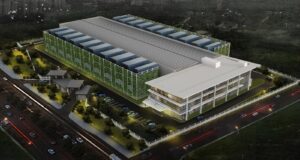

As the demand for digital services, cloud computing, and data storage continues to grow, building a modern data centre has become a critical undertaking for businesses and organizations. A well-designed data centre ensures high performance, reliability, and security while accommodating future growth. However, constructing a data centre involves more than just assembling servers and cooling systems; it requires careful planning, strategic design, and meticulous execution.
Understanding the Purpose of a Modern Data Centre
A modern data centre serves as the backbone of an organization’s IT infrastructure. It hosts servers, storage systems, networking equipment, and critical applications, supporting both internal operations and external services. With the rising reliance on cloud computing, big data analytics, and AI, the need for robust, scalable, and secure data centres has never been greater.
Before construction begins, it is crucial to define the data centre’s purpose, expected workloads, and long-term expansion requirements. This clarity guides all subsequent design and construction decisions.
Key Considerations for Data Centre Design
-
Location Selection
Choosing the right location is fundamental. Factors such as proximity to clients or branch offices, availability of reliable power supply, connectivity to internet backbones, and susceptibility to natural disasters all influence the choice. Low-risk zones reduce downtime and operational interruptions. -
Scalability and Future-Proofing
Modern data centres must accommodate growth in data storage and processing. Modular designs allow for phased expansion, while flexible infrastructure supports technological upgrades without major overhauls. Considering future needs at the design stage saves significant costs and downtime later. -
Power Supply and Energy Efficiency
Data centres consume enormous amounts of power, making reliable and efficient electrical systems essential. Incorporating uninterruptible power supplies (UPS), backup generators, and energy-efficient equipment reduces the risk of outages while controlling operational costs. Renewable energy integration can further enhance sustainability. -
Cooling and Environmental Control
High-density computing generates substantial heat, which can affect equipment performance and lifespan. Advanced cooling solutions, such as hot/cold aisle containment, liquid cooling, and AI-driven climate control, maintain optimal temperatures while improving energy efficiency. Environmental monitoring systems help detect anomalies early to prevent equipment failure. -
Network Infrastructure and Connectivity
High-speed, low-latency network connections are critical for data centres. Redundant networking pathways ensure uninterrupted data flow, while robust cabling and switch configurations support scalability. Strategic placement of network equipment and careful bandwidth planning reduce bottlenecks and enhance overall performance. -
Security and Access Control
Data centres must protect sensitive information from cyber threats and physical breaches. Layered security strategies, including biometric access, surveillance cameras, fire suppression systems, and cybersecurity measures, safeguard both the facility and the data it stores. Compliance with industry standards, such as ISO 27001 or Tier certifications, adds credibility and reliability. -
Compliance and Regulatory Requirements
Depending on the industry, data centres may be required to meet specific legal and regulatory standards. These can include data protection laws, environmental regulations, and local building codes. Ensuring compliance during the design and construction phase avoids costly retrofits or penalties later.
Construction and Implementation Considerations
-
Project Management and Phasing
Constructing a data centre requires coordination among architects, engineers, IT specialists, and contractors. Breaking the project into phases—design, civil works, infrastructure setup, and IT deployment—helps manage timelines, budgets, and risks. -
Redundancy and Reliability
High availability is a key expectation for modern data centres. N+1 or 2N redundancy designs for power, cooling, and network infrastructure ensure minimal downtime even during equipment failure. Redundant systems increase reliability and build client trust. -
Monitoring and Automation
Incorporating advanced monitoring tools and automation systems enhances operational efficiency. These systems provide real-time insights into performance, energy consumption, and potential issues, enabling proactive maintenance and minimizing human error. -
Sustainability and Green Design
Sustainable design practices not only reduce operational costs but also align with environmental responsibility. Using energy-efficient servers, renewable power, advanced cooling techniques, and waste heat recovery contributes to a greener, cost-effective data centre.
Conclusion
building a data centre a modern data centre is a complex, high-stakes project that requires careful planning and execution. From site selection and scalable design to energy efficiency, security, and compliance, every detail matters. By considering these essential factors, organizations can construct data centres that are reliable, secure, and capable of supporting future technological advancements. Investing in a well-designed data centre today ensures operational excellence, business continuity, and a competitive edge in an increasingly digital world.