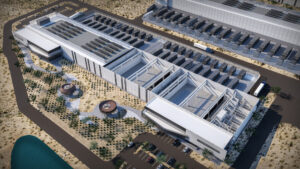

In an increasingly digital world, data centers serve as the backbone of business operations, powering everything from cloud computing to enterprise applications and data storage. Building a data center is a complex process that requires careful planning, technical expertise, and long-term strategic thinking. From selecting the right location to optimizing performance after deployment, every stage plays a critical role in ensuring reliability, scalability, and efficiency.
Understanding the Importance of a Data Center
A data center is a specialized facility designed to house servers, storage systems, and networking equipment. It enables organizations to store, process, and distribute data securely and efficiently. With the rapid growth of digital services, businesses must invest in robust data center infrastructure to remain competitive and support future expansion.
Step 1: Site Selection and Location Planning
Choosing the right location is one of the most important decisions in building a data center. Key factors to consider include:
-
Power Availability: Access to a stable and sufficient power supply is essential.
-
Connectivity: Proximity to major network hubs ensures low latency and high-speed data transfer.
-
Environmental Risks: Avoid areas prone to natural disasters such as floods, earthquakes, or extreme weather.
-
Climate Conditions: Cooler climates can reduce cooling costs and improve energy efficiency.
-
Regulatory Environment: Local laws, zoning regulations, and tax incentives can impact long-term operations.
A well-chosen site reduces operational risks and supports efficient performance over time.
Step 2: Designing the Data Center Infrastructure
Once the site is selected, the next step is to design the facility with scalability and efficiency in mind.
-
Modular Design: Allows for phased expansion as demand grows.
-
Layout Optimization: Efficient floor plans support airflow, accessibility, and maintenance.
-
Power Infrastructure: Includes UPS systems, backup generators, and redundant power paths.
-
Cooling Systems: Advanced cooling methods such as hot/cold aisle containment or liquid cooling ensure optimal temperatures.
-
Network Architecture: High-speed, redundant network connections maintain consistent data flow.
A well-planned design ensures the data center can adapt to evolving technological demands.
Step 3: Construction and Physical Setup
The construction phase involves translating design plans into a fully functional facility. This includes:
-
Building the physical structure with proper insulation and security features
-
Installing electrical systems and backup power solutions
-
Setting up cooling and ventilation systems
-
Implementing structured cabling and network infrastructure
During this stage, coordination among contractors, engineers, and IT specialists is essential to ensure timelines, budgets, and quality standards are met.
Step 4: Security Implementation
Data centers must be highly secure to protect sensitive information and ensure uninterrupted operations. Security measures include:
-
Physical Security: Biometric access controls, surveillance systems, and restricted entry points
-
Cybersecurity: Firewalls, encryption, intrusion detection systems, and regular vulnerability assessments
-
Redundancy Systems: Backup power and failover networks to prevent downtime
Combining physical and digital security strategies ensures comprehensive protection against threats.
Step 5: Deployment and Testing
Before a data center becomes operational, thorough testing and commissioning are required. This step ensures that all systems function as intended.
-
System Testing: Validate power, cooling, and network systems
-
Load Testing: Ensure the facility can handle peak workloads
-
Performance Verification: Check latency, uptime, and system reliability
-
Compliance Checks: Confirm adherence to industry standards and regulations
Testing minimizes the risk of failures and ensures a smooth transition to full operation.
Step 6: Optimization and Ongoing Management
After deployment, continuous optimization is necessary to maintain efficiency and performance.
-
Monitoring Systems: Use real-time tools to track temperature, energy usage, and equipment performance
-
Energy Efficiency Improvements: Optimize cooling and power usage to reduce costs
-
Regular Maintenance: Prevent equipment failures through routine inspections and updates
-
Scalability Planning: Expand infrastructure as demand increases
Optimization ensures that the data center remains efficient, cost-effective, and capable of supporting future growth.
Key Challenges and How to Overcome Them
Building a data center comes with challenges such as high initial costs, energy consumption, and complex infrastructure requirements. To address these challenges:
-
Invest in energy-efficient technologies to reduce operational expenses
-
Use modular designs to spread costs over time
-
Implement automation tools to improve monitoring and reduce human error
-
Partner with experienced professionals for design and construction
Conclusion
building datacenter is a strategic investment that requires careful planning, execution, and ongoing management. From selecting the right location to designing scalable infrastructure, implementing robust security, and optimizing performance, each step is crucial to long-term success.
Organizations that take a comprehensive approach to data center development can create reliable, secure, and efficient facilities that support their digital operations and future growth. In a world where data is a critical asset, a well-built data center is not just infrastructure—it’s a foundation for innovation and business continuity.