
Rosacea-prone skin presents a genuine dilemma. Concerns like texture, enlarged pores, and early aging still deserve attention, yet many treatments risk triggering flushing, irritation, and flare-ups. Patients often feel caught between wanting improvement and fearing the consequences. DermaPen in Riyadh DermaPen microneedling can be appropriate for rosacea-prone skin, but only with careful assessment, conservative settings, and honest expectations. If you are considering DermaPen in Riyadh, here is what you need to understand before proceeding.
What Rosacea Actually Involves
Rosacea is a chronic inflammatory condition characterized by facial flushing, visible blood vessels, redness, and sometimes papules or pustules. It typically affects the central face—cheeks, nose, chin, and forehead. Triggers include heat, sun exposure, spicy foods, alcohol, stress, and certain skincare products. Importantly, rosacea varies widely in severity and presentation, and it exists on a spectrum with sensitive skin that reacts easily but does not fully meet diagnostic criteria.
Why Microneedling Requires Caution
Any treatment that disrupts the skin barrier can potentially trigger rosacea flares. Inflammation is the enemy in rosacea-prone skin, and microneedling deliberately creates controlled inflammation to stimulate collagen. In appropriately selected patients treated conservatively, this stimulus can be tolerated and even beneficial. In patients with active inflammation or fragile vasculature, it can worsen symptoms. The distinction lies in careful patient selection rather than assuming the treatment is universally safe or universally contraindicated.
When DermaPen May Be Appropriate
Patients with mild, stable rosacea whose primary concerns are texture, pore size, or early aging may be candidates. The skin must be calm at the time of treatment—not experiencing an active flare. Settings should be conservative, with shallower depths and gentler passes than standard protocols. Some practitioners use shorter sessions and extend intervals between treatments. Patients researching dermapen treatment for rosacea should seek practitioners with specific experience in reactive skin.
When Treatment Should Be Avoided
DermaPen is not appropriate during active flares, when skin is inflamed, broken, or highly reactive. Severe rosacea with significant vascular involvement or frequent pustules requires medical management before considering aesthetic treatment. Certain medications, including isotretinoin, contraindicate microneedling for a period afterward. A DermaPen in Riyadh practitioner should screen carefully and decline treatment when risks outweigh potential benefits.
How Settings Are Adapted for Reactive Skin
Practitioners experienced with rosacea-prone patients adjust several parameters. Needle depth is kept conservative to limit inflammation. Fewer passes reduce cumulative trauma. Sessions are shorter to minimize stress on the skin. Intervals between treatments extend to five or six weeks rather than four. Some practitioners perform a small test area before committing to full-face treatment, observing how skin responds over the following week.
What to Expect During and After Treatment
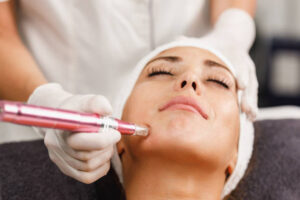
Numbing cream is applied generously beforehand. During treatment, patients may feel warmth more intensely than others would. Afterwards, redness may be more pronounced and last slightly longer than in non-reactive skin. This is expected and typically settles within a few days. Persistent or worsening redness beyond that window warrants contacting your practitioner. Cool compresses, gentle moisturizers, and strict sun protection support recovery.
Aftercare Rules for Rosacea-Prone Skin
Keep the routine minimal and gentle. Use fragrance-free, dye-free cleansers and moisturizers with short ingredient lists. Avoid essential oils, alcohol-based toners, and botanical extracts that commonly trigger reactions. Introduce actives slowly once cleared, starting with the gentlest options. Do not exfoliate, scrub, or use masks during the first week. Avoid heat, spicy foods, and alcohol during recovery, as these can trigger flushing.
Supporting Skin Between Sessions
Sun protection is essential—ultraviolet exposure is a primary rosacea trigger and worsens redness. Choose mineral sunscreens if chemical formulations irritate. Avoid extreme temperatures, both hot and cold. Manage stress, which triggers flares. Identify and avoid personal triggers through observation. Gentle skincare, adequate hydration, and consistent routines reduce reactivity over time. Patients comparing dermapen treatment options should recognize that aftercare determines much of their outcome.
When to Seek Medical Guidance
Rosacea is a medical condition that may require prescription treatment—topical metronidazole, azelaic acid, ivermectin, or oral medications in some cases. Aesthetic treatment complements but does not replace medical management. If your rosacea is active, uncontrolled, or worsening, consult a dermatologist before pursuing microneedling. A DermaPen in Riyadh practitioner should coordinate with your medical care rather than working in isolation.
For those seeking expert guidance and customized aesthetic care, you can book an appointment consultation at the Enfield Royal Clinic.
FAQs
Is DermaPen safe for rosacea-prone skin?
It can be appropriate for mild, stable rosacea with conservative settings and practitioner experience.
When should I avoid treatment?
Avoid during active flares or if rosacea is severe or uncontrolled; seek medical management first.
Will dermapen treatment make my redness worse?
With proper settings it typically does not, but active inflammation can be aggravated.
How many sessions are safe for reactive skin?
Typically three to four, spaced five to six weeks apart to allow complete healing.
Should I see a dermatologist first?
Yes, if your rosacea is active or requires prescription treatment, medical clearance is wise.