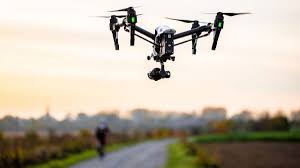

Drones have moved far beyond photography and recreational flying. Today, businesses use drones for surveying, mapping, infrastructure inspection, agriculture, construction, real estate, security, and many other professional applications. As these uses continue to grow, there is a strong need for pilots who can operate drones safely, confidently, and professionally.
A Commercial Drone Training Course for Professional Pilots can help you build the practical knowledge and flying skills needed to work with drones in real-world environments. Instead of simply learning how to control a drone, professional training focuses on flight safety, operational planning, regulations, equipment handling, and practical flying experience.
For anyone looking to build a career in the commercial drone industry, structured training can be an important starting point.
What Is Commercial Drone Training?
Commercial drone training is designed for individuals who want to use drones for professional or business purposes. The training combines classroom learning with practical flight sessions so that students understand both the theory behind drone operations and how to handle an aircraft in actual flying conditions.
Professional drone pilots need more than basic joystick skills. They must understand weather conditions, airspace, pre-flight checks, emergency procedures, flight planning, and safe operating practices.
In India, drone training and remote pilot certification are connected with the regulatory framework established by the Directorate General of Civil Aviation (DGCA). DGCA materials describe training through authorised Remote Pilot Training Organisations (RPTOs), with ground classes and practical flying forming part of the training process.
Why Professional Drone Training Matters
Learning to fly a drone casually is very different from operating one for a commercial project. Professional assignments can involve expensive equipment, clients, difficult environments, and strict safety requirements.
A structured course helps pilots develop a more responsible approach to every flight.
Some important areas covered through professional drone training can include:
- Drone safety and responsible operations
- Flight planning and preparation
- Basic aviation concepts
- Understanding weather conditions
- Airspace awareness
- Drone components and controls
- Pre-flight and post-flight inspections
- Practical flying techniques
- Emergency procedures
- Operational risk awareness
- Regulatory requirements
- Logbook and flight documentation
The exact syllabus and certification process can vary according to the applicable regulations and drone category, so candidates should always check the current DGCA requirements before enrolling.
What You Can Learn During a Commercial Drone Course
A good professional drone training program should balance theoretical knowledge with hands-on practice. This gives students an opportunity to understand why certain procedures are necessary and then apply them during actual flight training.
1. Drone Fundamentals
The course can begin with an introduction to unmanned aircraft systems and their major components. Students can learn about flight controllers, motors, batteries, propellers, GPS systems, remote controllers, sensors, and other important components.
Understanding the equipment makes it easier to identify potential problems before and during a flight.
2. Flight Planning
Planning is one of the most important skills for a professional drone pilot. Before taking off, pilots need to understand the objective of the mission, the proposed flight area, environmental conditions, equipment requirements, and possible risks.
Professional pilots should develop the habit of preparing for a flight rather than simply arriving at a location and launching the drone.
3. Practical Flight Training
Hands-on flying is an essential part of becoming a confident drone pilot. Students can practice take-offs, landings, hovering, directional movements, controlled turns, altitude management, and other flight manoeuvres under instructor supervision.
DGCA documentation describes practical flying training as part of the process conducted through authorised RPTOs.
Practical sessions can also help students become more comfortable with the controls and learn how the drone responds to different situations.
4. Safety and Emergency Procedures
Commercial drone operations require a strong focus on safety. A professional pilot should know what to do if the drone experiences a technical problem, communication issue, unexpected weather, low battery, or other operational challenge.
Training can introduce pilots to emergency response procedures and risk management so they can make better decisions when conditions change.
5. Rules and Regulations
Understanding drone regulations is an important part of professional flying. A pilot may be technically skilled but still create problems by operating in an inappropriate area or ignoring applicable requirements.
DGCA is India’s civil aviation regulator, and its current online resources include dedicated drone-related information and eGCA services.
Because regulations and operational requirements can change, professional pilots should keep themselves updated rather than relying only on information learned during their initial course.
Who Should Consider a Commercial Drone Training Course?
A professional drone course can be useful for people from different educational and career backgrounds.
It may be suitable for:
- Students interested in drone careers
- Existing drone pilots who want structured training
- Photography and videography professionals
- Surveying and mapping professionals
- Construction professionals
- Agriculture professionals
- Engineering graduates
- GIS and geospatial professionals
- Entrepreneurs planning a drone-based business
- Individuals interested in inspection and infrastructure work
You do not necessarily need to start as an expert drone pilot. A structured training program can help beginners develop their skills step by step while also giving experienced users an opportunity to improve their professional approach.
Commercial Applications of Drone Skills
One reason professional drone training is becoming more relevant is the growing number of industries using unmanned aircraft.
Surveying and Mapping
Drones can collect aerial information for surveying and mapping projects. With suitable equipment and software, aerial data can support planning, measurements, and site analysis.
Construction
Construction companies can use drones to monitor project progress, capture aerial visuals, inspect difficult areas, and support site documentation.
Agriculture
Agricultural drone applications can include crop monitoring, field observation, mapping, and other technology-supported activities.
Infrastructure Inspection
Drones can help capture images and video of structures such as buildings, towers, bridges, and other infrastructure, reducing the need to immediately send personnel into difficult or elevated locations.
Media and Photography
Professional aerial photography and videography remain important commercial applications. However, professional pilots need to combine creative skills with safe and compliant flight operations.
Choosing the Right Drone Training Institute
Choosing a training provider is an important decision. Do not select a course based only on its price or the number of drones available.
Before enrolling, consider factors such as:
Authorisation and regulatory alignment: Check whether the organisation is authorised for the training and certification pathway relevant to your goals. DGCA documentation states that training for a Remote Pilot Certificate is conducted through authorised RPTOs.
Practical training: Look for a course that provides meaningful hands-on flying rather than relying heavily on classroom instruction.
Qualified instructors: Experienced instructors can help students understand practical flight situations and correct mistakes early.
Training facilities: A suitable training environment can make practical sessions safer and more productive.
Course structure: Review what is included in the ground classes, practical sessions, assessments, and certification process.
Career relevance: If your goal is commercial work, choose training that helps you understand how drone operations are used in professional projects.
Build Skills Beyond the Certificate
Getting trained is an important milestone, but professional development does not end when the course is completed.
A successful commercial drone pilot should continue improving flight skills, learning about new drone technologies, understanding industry applications, and staying updated with regulatory changes.
It is also useful to develop skills related to the specific industry you want to enter. For example, someone interested in surveying may benefit from learning GIS and mapping software, while someone interested in media may want to improve photography, videography, and editing skills.
This combination of drone expertise and industry knowledge can make your profile more valuable to potential employers and clients.
Start Your Professional Drone Journey
The commercial drone industry offers opportunities for people who are willing to learn, practice, and take safety seriously. A Commercial Drone Training Course for Professional Pilots can provide the foundation needed to move from basic drone operation toward more structured and professional flying.
Whether you are a beginner exploring a new career or an existing pilot looking to strengthen your skills, choosing the right training program can make a meaningful difference.
If you are looking for professional drone training and want to learn more about available courses, eligibility, practical training, and the certification process, contact CIGPL Drone Training to discuss your training requirements.
Contact CIGPL Drone Training and take the next step toward developing your professional drone pilot skills.