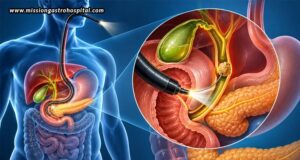

Choosing a hospital or specialist for an ERCP is an important decision, particularly because the procedure can involve both diagnosis and treatment of conditions affecting the bile and pancreatic ducts. ERCP requires specialized equipment, technical expertise, appropriate sedation or anaesthesia, and the ability to manage potential complications. The right choice should therefore go beyond just the availability of the procedure. Patients should consider the specialist’s experience, the hospital’s endoscopy facilities, emergency support, and the quality of care provided before and after ERCP. This guide explains the key factors patients should consider when selecting an experienced gastroenterologist or endoscopy centre for ERCP.
The experience of the specialist
ERCP requires specialized skills because the doctor must carefully navigate the endoscope through the digestive tract and access the bile or pancreatic ducts. The procedure can also involve technically demanding treatments such as stone extraction, sphincterotomy, dilation, and stent placement. It is thus important to consider the specialist’s experience in therapeutic ERCP rather than relying only on general experience in gastroenterology. Patients can ask how frequently the doctor performs ERCP and whether they regularly manage conditions similar to their own. Experience can be particularly important when ERCP is being performed for complex stones, difficult strictures, altered anatomy, or recurrent pancreatic and biliary problems.
Experience with complex ERCP procedures
Not all ERCP procedures have the same level of complexity. Removing a single bile duct stone may be relatively simple, while treating multiple large stones, strictures, pancreatic duct abnormalities, bile leaks, or complex anatomy may require advanced techniques and greater expertise. Patients with complicated or recurring conditions should therefore consider whether the gastroenterologist regularly performs therapeutic ERCP and has experience managing cases similar to theirs. It is also important to understand whether the specialist can handle unexpected findings or complications during the procedure. Discussing the nature of the condition, previous treatments, and expected level of complexity during the consultation can help patients understand whether the specialist’s experience is appropriate for their specific ERCP requirements.
The hospital’s facilities
the hospital chosen should have a dedicated and well-equipped endoscopy unit capable of supporting ERCP procedures. The facility should have appropriate endoscopic equipment, fluoroscopic imaging, monitoring systems, and instruments required for therapeutic interventions. The availability of accessories like extraction balloons, stone-retrieval baskets, dilation devices, and different types of stents may also be important depending on the patient’s condition. Patients can ask whether the hospital has the equipment required for their particular procedure and whether additional interventions can be performed if an unexpected finding is identified during ERCP.
Appropriate imaging support
ERCP uses X-ray imaging to visualize the bile and pancreatic ducts, making appropriate fluoroscopy and imaging support important when selecting a facility. Before the procedure, patients may also need tests such as ultrasound, CT scans, or MRCP to assess the underlying condition. A hospital with access to these diagnostic facilities can help doctors evaluate the problem more accurately before performing ERCP. Coordinating diagnostic imaging, endoscopic treatment, and specialist consultation within the same facility can also make the overall treatment process more organized and efficient. This is particularly useful when the condition requires detailed evaluation before deciding on the most appropriate ERCP approach.
Emergency and complication management
Although ERCP is an established procedure, complications such as pancreatitis, bleeding, infection, perforation, or sedation-related reactions can occasionally occur. Therefore, access to emergency support is an important factor when choosing a hospital. Patients should ask whether the facility has trained medical teams, appropriate monitoring, and resources to recognize and manage complications promptly if they arise. It is also useful to understand whether the hospital can provide observation, additional investigations, or further treatment when required after the procedure. A facility with comprehensive medical support can be particularly important for patients undergoing complex ERCP or those with other medical conditions that may require closer monitoring during recovery.
Pre-procedure consultation
A thorough consultation before ERCP is an important part of selecting a specialist. The doctor should review the patient’s symptoms, medical history, medications, previous procedures, imaging, and relevant laboratory tests. Certain medications, particularly blood-thinning medicines, may require specific instructions before an invasive procedure. Patients should provide the doctor with a complete list of medications and disclose known allergies or previous reactions to medications, contrast agents, or anaesthesia. The consultation should also explain fasting requirements, expected duration, sedation, recovery, and when the patient can resume normal activities.
Follow-up and continuity of care
Follow-up care is especially important when ERCP involves stent placement or treatment of an ongoing condition. Patients should know who to contact if symptoms develop after the procedure and when they need to return for review. A hospital that provides continuity of care can make it easier to manage subsequent appointments, investigations, stent removal or replacement, and treatment of the underlying condition. Patients should ask about the expected follow-up schedule before undergoing ERCP rather than waiting until after the procedure to understand the next steps.
The best ERCP in Ahmedabad
Selecting the right hospital for ERCP involves considering specialist expertise, endoscopy infrastructure, imaging facilities, patient monitoring, emergency support, and follow-up care. Patients should look for a facility where gastroenterologists have experience performing therapeutic ERCP and managing a range of biliary and pancreatic conditions. For patients seeking best ERCP in Ahmedabad, Mission Gastro Hospital provides gastroenterology and endoscopy care for conditions involving the digestive system, bile ducts, and pancreas. The hospital offers ERCP as part of its specialized gastroenterology services, supporting patients through evaluation, endoscopic treatment, and appropriate follow-up. Patients can discuss their symptoms, previous reports, and treatment requirements with the gastroenterology team to determine whether ERCP is suitable for their condition.
Choosing the right hospital or gastroenterologist for ERCP requires careful consideration of medical expertise, procedural experience, technology, patient safety, and follow-up care. Since ERCP can involve complex therapeutic interventions, patients should select a facility equipped to perform the procedure and manage potential complications. A detailed consultation is the best starting point. Understanding why ERCP has been recommended, what treatment may be performed, what risks apply to the individual patient, and what follow-up will be required can help patients approach the procedure with greater clarity and confidence. Ultimately, the right ERCP facility is one that provides appropriate specialist care and comprehensive support throughout the treatment journey.
Resource: Choosing The Right Hospital For ERCP