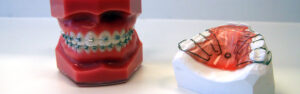

What Are Dental Activators?
Dental activators are removable functional orthodontic appliances that influence how the jaws relate to one another during growth. They are commonly used in growing children when the position of the lower jaw, the bite, or certain developing orthodontic problems require attention.
Unlike traditional braces, which primarily move teeth using brackets and wires, an activator works by positioning the jaws in a particular relationship. This can encourage functional changes that may support improved bite development in suitable cases.
How Do Dental Activators Work?
An activator is usually made from a custom-designed acrylic body that fits over the teeth of both arches. Depending on the appliance design, it may guide the lower jaw into a more favorable position when the child closes their mouth.
The appliance works alongside natural growth rather than replacing it. Its effectiveness depends on the child’s age, the type of orthodontic problem, the stage of dental development, and consistent use according to professional instructions.
Can Dental Activators Guide Proper Teeth Development?
Dental activators can help guide certain aspects of dental and jaw development, but they are not necessary for every child. Their main purpose is to address specific functional and bite-related concerns during the growing years.
Supporting Better Jaw Alignment
When the upper and lower jaws do not relate to each other properly, a child may develop an abnormal bite. In selected cases, an activator can help improve this relationship by encouraging a more appropriate lower-jaw position.
Early orthodontic assessment allows a dental professional to determine whether the concern is related to jaw growth, tooth position, or a combination of both. This distinction is important because different problems require different treatment approaches.
Improving Certain Bite Problems
Some children develop an excessive horizontal gap between the upper and lower front teeth, commonly called an overjet. In appropriate growing patients, a functional appliance may help reduce this discrepancy by influencing the jaw relationship.
Dental activators may also be considered for selected bite irregularities associated with jaw positioning. However, they do not correct every form of malocclusion, and their suitability must be established through an individual examination.
Creating Better Conditions for Developing Teeth
The way the jaws grow can influence how permanent teeth come together. By addressing certain jaw-related problems early, an activator may help establish a more favorable bite as the child develops.
However, an activator does not automatically straighten crowded teeth or guarantee that all permanent teeth will emerge in ideal positions. Some children may still require braces or other orthodontic treatment later.
Why Is Early Orthodontic Assessment Important?
Childhood is an important period for monitoring jaw growth and the transition from primary to permanent teeth. Early assessment can help identify concerns before they become more complicated.
Recognizing Developmental Problems
Parents may notice that their child’s front teeth protrude, the jaws appear uneven, or the teeth do not meet comfortably when biting. These observations do not necessarily mean treatment is required, but they can indicate the need for a professional evaluation.
An orthodontic assessment considers facial growth, tooth eruption, bite relationships, oral habits, and the child’s overall dental development. The dental professional can then decide whether monitoring, an activator, or another treatment is appropriate.
Making Use of the Growth Period
Functional appliances are often most useful when a child still has significant growth remaining. The timing varies from one child to another, so chronological age alone does not determine whether an activator will be effective.
A personalized treatment plan helps ensure that any intervention matches the child’s developmental stage and orthodontic needs.
What Should Children Expect When Using Dental Activators?
Getting used to a removable appliance takes time. Initially, children may experience increased saliva, mild discomfort, or temporary changes in speech. These effects often improve as they adapt, although persistent pain should be discussed with the dental professional.
Following the Recommended Wear Schedule
Consistency is essential. Children should follow the prescribed wear schedule because irregular use can reduce the appliance’s effectiveness. Parents can help by establishing a daily routine and reminding children to handle and store the appliance properly.
Regular follow-up appointments allow the orthodontic team to assess progress, check the appliance’s fit, and make adjustments when needed.
Maintaining Good Oral Hygiene
Teeth and the appliance should be cleaned according to professional instructions. Children should continue brushing twice daily with fluoride toothpaste and cleaning between their teeth. The appliance also needs regular cleaning to help prevent plaque buildup, unpleasant odors, and damage.
Are Dental Activators Suitable for Every Child?
No. Dental activators are most appropriate for particular orthodontic conditions and are not a universal solution for crooked teeth, severe crowding, or every jaw-development concern.
Some children may benefit more from observation, braces, other functional appliances, or a combination of treatments. The choice depends on the diagnosis, growth pattern, oral health, and expected treatment outcomes.
Conclusion
Dental activators can play a valuable role in guiding certain aspects of teeth and jaw development when used at the appropriate stage of childhood growth. By addressing selected bite problems and improving the relationship between the jaws, these appliances may support healthier orthodontic development. However, results depend on the individual condition, proper appliance design, and consistent use. Parents who notice unusual bite patterns or concerns about their child’s developing teeth should seek a professional orthodontic assessment. Early guidance can help identify the most suitable approach and support a healthier, more functional smile as the child grows.