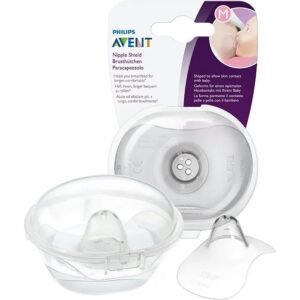

Breastfeeding is often described as a natural experience, but that does not mean it is always easy. New mothers can face challenges such as sore nipples, difficulty with latching, or a baby who struggles to feed effectively. In situations like these, an Avent Nipple Shield can provide temporary support and make feeding more comfortable for both mother and baby.
A nipple shield is a thin, flexible cover placed over the nipple and areola during breastfeeding. It creates a protective layer between the baby’s mouth and the mother’s nipple while still allowing milk to pass through. Avent nipple shields are designed with a soft, skin-friendly material and a shape intended to help babies maintain contact with the breast during feeding.
When Might a Nipple Shield Be Helpful?
Every breastfeeding journey is different. Some babies have difficulty achieving a deep latch, particularly during the first few days or weeks after birth. Others may have a smaller mouth or difficulty coordinating sucking. Mothers experiencing cracked, sore, or sensitive nipples may also find that a shield provides some relief while they work on improving their baby’s latch.
An Avent Nipple Shield may also be considered when a baby has become accustomed to bottle feeding and is having trouble transitioning back to the breast. By providing a familiar, structured surface, a nipple shield can sometimes make this transition easier. It can also offer mothers greater confidence when they are trying to continue breastfeeding despite temporary discomfort.
However, a nipple shield is generally best viewed as a support tool rather than a permanent solution. If breastfeeding remains uncomfortable or the baby is struggling to gain weight, speaking with a lactation consultant, midwife, doctor, or other qualified healthcare professional is important.
Choosing and Using a Nipple Shield Correctly
The fit of a nipple shield matters. It should sit comfortably over the nipple without causing unnecessary pressure or rubbing. Before feeding, mothers can slightly moisten the shield with breast milk or water to help it stay in place.
Positioning the baby correctly is equally important. The baby’s mouth should open wide, taking in as much of the breast and shield as possible rather than simply sucking on the tip. A comfortable position can help encourage effective milk transfer and reduce additional nipple discomfort.
After each use, the shield should be cleaned according to the manufacturer’s instructions. Keeping breastfeeding accessories clean is especially important because newborns have developing immune systems. Mothers should also regularly inspect the shield for signs of damage or wear and replace it when necessary.
A Practical Aid, Not a Replacement for Support
Breastfeeding accessories can make difficult moments feel more manageable, but they do not replace personalized guidance. If a mother needs to use an Avent Nipple Shield regularly, it can be helpful to monitor the baby’s feeding behavior, wet diapers, and overall growth with guidance from a healthcare professional.
It is also worth remembering that breastfeeding does not have to look the same for every mother and baby. Some families may use a nipple shield for a short period, while others may need additional assistance to transition away from it. Patience and observation can make the process less stressful.
For many families, breastfeeding takes time, patience, and a little experimentation. A nipple shield can be one useful tool along the way, especially when discomfort or latch difficulties make feeding stressful.
Final Thoughts
An Avent Nipple Shield can be a practical option for mothers dealing with temporary breastfeeding difficulties, particularly nipple sensitivity or latch challenges. Used correctly, it may help make feeding more comfortable while a mother and baby work toward a better breastfeeding routine. Since every situation is unique, proper sizing, careful cleaning, and professional guidance when needed can make the experience safer and more effective.
Purejoy understands that every breastfeeding journey is different, which is why having access to thoughtfully designed feeding essentials can provide added confidence and convenience. Most importantly, mothers should remember that asking for help with breastfeeding is completely normal. With patience, the right support, and dependable products from brands such as Purejoy, small challenges can often become much easier to manage.