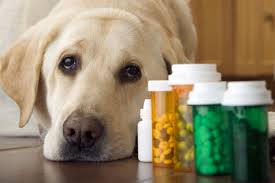

Antibiotics play a vital role in treating bacterial infections in dogs, helping them recover quickly and preventing the spread of illness. However, not all infections require antibiotics, and improper use can lead to resistance or unwanted side effects. Understanding antibiotics for dogs, their uses, and proper administration is essential for any responsible pet owner.
In this guide, we’ll explore common antibiotics for dogs, their uses, dosage guidelines, potential side effects, and best practices for keeping your dog safe and healthy while using these medications.
What Are Antibiotics for Dogs?
Antibiotics for dogs are medications used to fight bacterial infections. They work either by killing bacteria directly or by preventing their growth, allowing the dog’s immune system to clear the infection. Antibiotics are not effective against viral infections, such as kennel cough or canine influenza, and should only be used under veterinary guidance.
Some of the most common bacterial infections in dogs that may require antibiotics include:
-
Skin infections (pyoderma)
-
Urinary tract infections (UTIs)
-
Ear infections
-
Respiratory infections
-
Gastrointestinal infections caused by bacteria
Common Antibiotics for Dogs
Several antibiotics are frequently prescribed for dogs, depending on the type and severity of the infection. Some common options include:
-
Amoxicillin and Clavulanic Acid
-
A broad-spectrum antibiotic used for skin infections, respiratory infections, and urinary tract infections.
-
Often prescribed as oral tablets or liquid.
-
-
Cephalexin
-
Commonly used for skin infections and wound infections.
-
Typically administered orally.
-
-
Clindamycin
-
Effective for bone infections, dental infections, and soft tissue infections.
-
Available as oral capsules or liquid.
-
-
Enrofloxacin (Baytril)
-
Used for urinary tract infections and certain gastrointestinal infections.
-
Available as oral tablets or injectable solutions.
-
-
Doxycycline
-
Treats tick-borne diseases, respiratory infections, and other bacterial infections.
-
Administered orally, usually in tablet form.
-
-
Metronidazole
-
Used for gastrointestinal infections caused by anaerobic bacteria and certain parasites.
-
Administered orally as tablets or liquid.
-
How to Administer Antibiotics to Dogs
Proper administration is crucial to ensure the effectiveness of antibiotics and prevent resistance. Here are some important guidelines:
-
Follow the Prescription
-
Always follow your veterinarian’s instructions regarding dosage, frequency, and duration of treatment.
-
Never give leftover antibiotics or medications prescribed for another pet.
-
-
Complete the Full Course
-
Even if your dog’s symptoms improve, continue the medication for the full prescribed course. Stopping early can allow bacteria to survive and develop resistance.
-
-
Administer With or Without Food
-
Some antibiotics should be given with food to prevent stomach upset, while others are best given on an empty stomach. Check your vet’s instructions.
-
-
Monitor for Side Effects
-
Common side effects include vomiting, diarrhea, loss of appetite, or allergic reactions.
-
If severe reactions occur, contact your veterinarian immediately.
-
Side Effects and Precautions
While antibiotics are generally safe when used correctly, they can cause side effects in some dogs. Common side effects include:
-
Mild gastrointestinal upset, such as diarrhea or vomiting
-
Loss of appetite
-
Allergic reactions, including hives, itching, or swelling
Serious but rare side effects may include liver or kidney damage, especially with prolonged use. Always monitor your dog during antibiotic therapy and consult your veterinarian if you notice any concerning symptoms.
Antibiotic Resistance in Dogs
Antibiotic resistance occurs when bacteria evolve to survive despite antibiotic treatment. Overuse, misuse, or incomplete courses of antibiotics can lead to resistant infections, which are harder to treat and may require stronger medications. To prevent resistance:
-
Only use antibiotics when prescribed by a veterinarian
-
Complete the full course of medication
-
Never share antibiotics between pets or humans
Natural Support and Complementary Care
While antibiotics treat bacterial infections, supportive care can help your dog recover faster:
-
Proper Nutrition – A balanced diet strengthens the immune system.
-
Hydration – Ensures proper kidney function and aids in recovery.
-
Probiotics – Can help maintain gut health during antibiotic treatment.
-
Clean Environment – Reduces the risk of reinfection or spread of bacteria.
When to Contact Your Veterinarian
Contact your vet if your dog exhibits any of the following:
-
Persistent symptoms despite antibiotic treatment
-
Severe diarrhea, vomiting, or lethargy
-
Signs of an allergic reaction, such as swelling or hives
-
Any new symptoms that concern you during treatment
Regular check-ups and open communication with your veterinarian are key to ensuring safe and effective use of antibiotics for dogs.
Buying Antibiotics for Dogs
Antibiotics for dogs should always be obtained from licensed veterinarians or reputable online veterinary pharmacies. Avoid over-the-counter antibiotics or medications intended for humans, as they may be unsafe or ineffective for dogs. Trusted sources provide dosage instructions, administration guidelines, and veterinary support to ensure safe treatment.
Final Thoughts
Antibiotics are a critical tool in treating bacterial infections in dogs, but they must be used responsibly. The right antibiotic, administered correctly, can quickly help your dog recover while minimizing the risk of side effects or resistance.
Always consult a veterinarian before starting any antibiotic treatment, follow prescribed doses carefully, and complete the full course. With proper care, monitoring, and support, antibiotics can effectively restore your dog’s health and keep them active, happy, and infection-free.