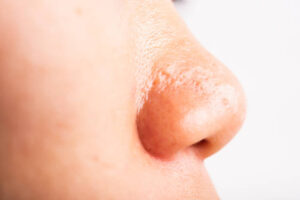

A successful alarplasty begins not with the incision, but with a precise diagnosis of the nasal base concern. Alarplasty In Riyadh is to achieve an alar base that is in harmony with the other units of the nose and the features of the face . The nostril base sits near the center of the face, and even a small change can significantly alter facial impression, which is why restraint matters .
Before any tissue is removed, a surgeon must evaluate the nostrils in several conditions: at rest, from a three-quarter view, and while smiling or breathing normally . A critical distinction is whether the width is a structural feature or a dynamic response—for instance, some patients have a consistently broad base, while others experience excessive flare when smiling.
One of the most common diagnostic errors is treating a nostril base that appears wide simply because the tip lacks support, projection, or rotational balance . In such cases, the base is not necessarily “too wide”—it is visually dominant because the rest of the nose is not carrying its share of structure . If structural changes to the tip are needed, they can alter how the base reads, sometimes reducing perceived width without requiring base excision .
Matching Techniques to Anatomical Patterns
Once the diagnosis is clear, the surgeon selects the technique—or combination of techniques—tailored to the specific deformity . The three main patterns of alar base deformity are horizontal excess (width), flare, and nostril size asymmetry . Scar placement is also critical: incisions are designed to blend into natural creases or inside the nostril to minimize visibility .
Weir Excision: For Alar Flare and Width
The Weir excision is the most common technique for reducing nostril width and flare. A small, crescent-shaped wedge of skin and soft tissue is removed from the junction where the nostril meets the cheek (the alar-facial groove), and the incision is hidden in this natural crease . A typical reduction removes 2 to 4 millimeters of tissue, which narrows the base by approximately 8-9% . The classic Weir excision uses a straight closure, while modified approaches use three-dimensional zigzag incisions to create a more aesthetically pleasing scar .
Best for: Patients with a genuinely wide nostril base at rest or excessive flare, who are satisfied with their nasal bridge and tip.
Sill Excision: For Large Nostril Openings
The sill excision targets the size of the nostril opening itself. An incision is made at the nostril sill (the bridge of tissue at the base of the nostril) to decrease the length and width of the nostril . Because the incision is placed inside the nostril, it can leave no visible external scar .
Best for: Patients whose primary concern is the size of the nostril opening rather than overall width. Often combined with a Weir excision for comprehensive refinement.
Combined Weir and Sill Excision
When both width and the size of the nostril opening need to be addressed, the techniques are often combined . This approach allows for a more comprehensive refinement of the lower nasal base and is particularly effective for patients requiring a more significant correction to both nostril width and opening size . However, combined excision may increase the need for post-operative dermabrasion to manage visible scars .
Best for: Patients requiring a comprehensive correction to both nostril width and opening size.
Alar Cinch Suture: For Mild Flare
For patients with mild-to-moderate flaring and normal-sized nostrils, a non-resective technique using internal sutures can draw the nostrils inward without removing any skin . This approach offers a fast recovery, no visible scars, and no risk of nasal congestion, but there is a higher risk of recurrence .
Best for: Patients with mild flare and normal-sized nostrils who want no visible scarring. Not suitable when nostril size reduction is required.
The Golden Rule: Conservative Execution
Alarplasty is irreversible; once tissue is removed, it cannot be restored . Aggressive excisions may cause irreparable deformities, including an unnatural, “pinched” appearance and potential nasal obstruction . A responsible surgical plan uses conservative dosing and realistic scar management .
For those seeking expert guidance and customized aesthetic care, you can book an appointment consultation at the Enfield Royal Clinic.
Frequently Asked Questions
How do I know if my nostrils are truly wide?
A clinical reference is that the nasal base width should approximate the distance between the inner corners of the eyes. A surgeon will also assess flare during smiling and evaluate if tip support is adequate.
What is the difference between Weir and Sill excisions?
Weir excision reduces nostril width by removing tissue from the alar-facial groove. Sill excision reduces the nostril opening itself via incisions inside the nostril. They are often combined.
Is alarplasty a permanent procedure?
Yes, the reduction in nostril width is permanent, as it involves removing tissue. This is why a conservative approach is critical.
How much tissue is typically removed in alarplasty?
A classic Weir excision typically removes 2 to 4 millimeters of tissue to achieve natural refinement.
Can alar base reduction affect breathing?
If done aggressively, yes. Narrowing must respect airway function to avoid a pinched appearance that compromises airflow during deep breathing and exercise.