
There’s something about the sound of a tractor early in the morning that stays with you. If you’ve ever lived near farmland, you probably know it too. That low engine rumble before sunrise, a little smoke in the cold air, and someone already halfway through their day before most people even open their eyes. A tractor is not just another vehicle sitting in a shed. In many villages, it’s tied directly to survival, pride, and hard work.
I’ve spent enough time around farms to notice one thing — people don’t usually talk about tractors like machines. They talk about them almost like family assets. Farmers remember the year they bought their first tractor the same way city people remember buying their first house or car. And honestly, it makes sense. A reliable tractor changes everything. Time, labor, income, even confidence.
The Tractor Changed Farming More Than People Realize
Older farmers still remember the days before tractors became common. Fields were prepared with bullocks, and every task took longer than expected. During peak seasons, even a small delay could ruin the entire crop cycle. Rain doesn’t wait. Harvest doesn’t wait either.
When tractors became more accessible across India, especially in rural areas, farming slowly began shifting from pure physical labor to smarter work. Suddenly, land preparation that once took several days could be finished in hours. Transportation became easier too. Farmers started using tractors not just for ploughing but for carrying crops, fertilizer, water tanks, even construction material.
What surprises many people is how versatile tractors really are. In smaller towns, one tractor often handles half the local economy. Morning in the fields, afternoon carrying bricks, evening transporting vegetables to the mandi. It’s constantly moving.
And yes, tractors have become stronger and more advanced over the years, but the basic purpose remains simple — reducing effort while increasing productivity.
Choosing the Right Tractor Is Never Just About Horsepower
A lot of buyers, especially first-timers, focus only on horsepower numbers. Bigger seems better. But experienced farmers usually look at things differently.
The right tractor depends heavily on land size, soil condition, farming type, and even local road conditions. A massive tractor on small farmland can actually become inconvenient. It burns more fuel, needs wider turning space, and maintenance costs go up quietly over time.
On the other hand, a compact tractor can work beautifully in orchards, vegetable farms, or smaller fields where movement matters more than brute strength.
I remember speaking with a farmer near Jabalpur who said something interesting. He told me, “The best tractor is the one that starts every morning without drama.” Honestly, that sentence says more than most advertisements.
Reliability matters more than flashy features when your livelihood depends on the machine.
Fuel Efficiency Still Matters More Than Fancy Technology
Modern tractors now come with digital displays, power steering, advanced hydraulics, and improved transmission systems. Those things definitely help. Long hours become less tiring, and operations feel smoother.
But if you ask real users what they care about most, fuel efficiency still comes very high on the list.
Diesel prices affect farmers directly. A tractor that saves fuel month after month quietly becomes more valuable than one with unnecessary features. Farmers notice these details quickly because they calculate every expense mentally. They have to.
There’s also the issue of maintenance. A tractor might look impressive in the showroom, but if spare parts are expensive or service centers are too far away, problems begin after the purchase. That’s why many people still trust brands with strong local support networks rather than simply chasing the newest model.
Practicality wins in rural India more often than style.
Old Tractors Still Earn Respect in Villages
One thing I genuinely admire is how older tractors continue working for decades. You’ll still find 15 or even 20-year-old machines operating daily in villages. The paint fades. Seats tear slightly. Engines sound rougher than before. But they keep moving.
And people respect that.
An old tractor with proper maintenance often performs better than a neglected newer one. Farmers who care for their machines regularly — changing oil on time, checking tires, keeping filters clean — usually get remarkable life out of them.
There’s also an emotional side attached to older tractors. Some families pass them down across generations. Sons learn driving on the same tractor their fathers once used. Scratches on the body carry memories of years of work, floods survived, difficult harvests, and successful seasons.
Machines rarely feel personal in cities. In farming communities, they absolutely do.
Tractors Are No Longer Limited to Farming Alone
This is something many outsiders overlook completely. Tractors today are used far beyond agriculture.
In smaller towns and developing areas, tractors support transportation, construction, road work, and local businesses. During wedding seasons, decorated tractor trolleys sometimes carry supplies or seating arrangements. During festivals, they help transport materials across villages. In rural construction projects, tractors move sand, cement, and gravel all day long.
Some people even earn a separate income by renting out their tractors when farm work is lighter. That extra income becomes important during uncertain crop seasons.
So when someone buys a tractor, they are often investing in multiple earning opportunities, not just farming equipment.
That’s one reason the tractor market in India remains incredibly strong year after year.
The Rise of Used Tractors Has Changed the Market
Not everyone can afford a brand-new tractor, and honestly, many don’t need one.
The used tractor market has grown massively because farmers understand value. A well-maintained second-hand tractor can still deliver years of reliable performance at a much lower cost. For small farmers especially, this option makes ownership possible.
But buying a used tractor requires patience. People who rush often regret it later.
Experienced buyers usually inspect engine condition carefully, check hydraulic performance, tire wear, clutch response, and service history if available. Some even bring local mechanics during inspection because small hidden issues can become expensive later.
Trust also plays a huge role in second-hand purchases. Buyers prefer known dealers or local sellers with decent reputations instead of random unknown listings.
Interestingly, many older tractor models remain popular because spare parts are easily available and mechanics understand them well. Simpler machines are sometimes easier to maintain than overly electronic systems.
Why Indian Farmers Still Prefer Toughness Over Luxury
Marketing campaigns often highlight stylish tractor designs or premium comfort features. Those things matter a little, sure. But Indian farmers still prioritize durability above almost everything else.
Fields are unpredictable. Roads can be rough. Weather changes suddenly. Machines work under dust, heat, rain, and heavy loads continuously.
A tractor that handles difficult conditions without constant breakdowns automatically earns loyalty.
This is why certain tractor models develop legendary reputations in farming communities. People trust what they’ve seen working consistently around them. Recommendations spread naturally in villages. One satisfied owner influences several future buyers.
And farmers notice honesty. If a machine performs well, word spreads fast. If it disappoints, that spreads even faster.
Technology Is Entering Farming Slowly but Surely
Agriculture is changing, even if the shift feels gradual.
New tractors now include GPS support, smart sensors, improved hydraulics, and better fuel management systems. Younger farmers are more open to technology compared to previous generations. Many use mobile apps for crop updates, weather tracking, or equipment information.
Still, technology adoption depends heavily on practicality and affordability. Farmers don’t care about innovation just for the sake of it. They care whether it genuinely saves time, reduces costs, or improves output.
Electric tractors are also being discussed more often now. They sound promising, especially for reducing fuel dependency and emissions. But infrastructure, charging access, and pricing will decide how quickly they become common in rural India.
Right now, diesel tractors still dominate because they fit current realities better.
A Tractor Often Represents More Than Financial Success
This part is difficult to explain unless you’ve seen it personally.
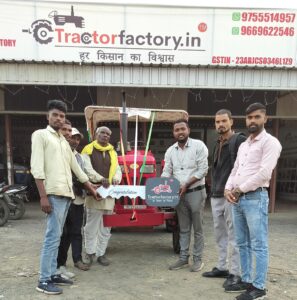
In many villages, buying a tractor becomes a milestone moment for an entire family. People gather to see the delivery. Coconut breaking ceremonies happen. Photos are taken proudly. Children climb onto the seat immediately even if they can barely reach the steering wheel.
Because beneath the machine itself lies something deeper — stability.
For many farmers, a tractor represents years of savings, sacrifice, difficult seasons, and persistence finally turning into something tangible. It represents independence from depending too heavily on rented equipment or outside help.
And maybe that’s why tractors still hold emotional value in rural India even after becoming common.
They aren’t just engines and tires. They carry stories.
Final Thoughts From the Ground Level
A tractor doesn’t magically solve every farming problem. Agriculture still depends on weather, markets, labor, and dozens of unpredictable factors. But a dependable tractor undeniably makes life easier. It saves time when timing matters most. It reduces physical exhaustion. It opens new income possibilities quietly, without making noise about it.
What I’ve noticed over the years is simple: farmers rarely care about trends. They care about what works day after day, season after season.
And the tractors that earn long-term respect are usually not the flashiest ones. They’re the ones that continue starting before sunrise, even after years of hard use, ready for another long day in the field.
https://tractorfactory.weebly.com/blog/modern-tractors-also-help-in-tasks-beyond-cultivation