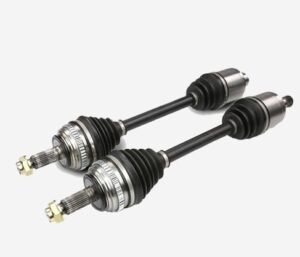

A tailshaft is an important part of the driveline in many rear-wheel-drive and four-wheel-drive vehicles. It transfers rotational power from the transmission or transfer case to the differential, helping the vehicle move smoothly and efficiently.
Because the tailshaft operates under load and rotates at high speed, damage or wear can affect the way a vehicle feels and sounds while driving. Some problems may begin with a small vibration or unusual noise, while more serious damage can cause noticeable driveline movement or difficulty transferring power.
Recognising the warning signs early can help prevent further damage and determine whether the tailshaft needs balancing, repair, reconditioning or replacement.
Vibration While Driving
One of the most common signs of a damaged tailshaft is vibration.
You may feel vibration through the floor, seat or body of the vehicle. It can become more noticeable during acceleration or at particular road speeds.
Tailshaft vibration can be caused by several issues, including a bent shaft, damaged components, incorrect balance, worn universal joints or centre bearing problems.
If the vibration becomes stronger as the vehicle accelerates, a professional inspection can help determine whether the tailshaft is responsible.
Clunking When Taking Off
A noticeable clunk when moving away from a stationary position can indicate excessive movement within the driveline.
When you accelerate, the tailshaft and related components are placed under load. Worn universal joints, centre bearings, mounting components or excessive driveline play can allow movement that produces a clunk.
The noise may also occur when moving between acceleration and deceleration.
A recurring clunk should not be considered normal, particularly if it becomes louder or is accompanied by vibration.
Knocking or Humming Noises
A damaged tailshaft can produce different types of unusual noises.
Depending on the problem, you may hear humming, knocking, rumbling or other sounds from underneath the vehicle. The noise may change with road speed or acceleration.
A worn centre bearing or universal joint can contribute to these symptoms. However, differential, wheel bearing and other driveline problems can create similar noises.
For this reason, identifying the source of the noise is important before carrying out repairs.
Shuddering During Acceleration
A vehicle that shudders when accelerating may have a problem within the driveline.
A worn tailshaft component can affect the smooth transfer of power between the transmission and differential. A damaged universal joint, centre bearing or imbalance can create a noticeable shudder.
The symptom may be particularly obvious when accelerating from a low speed or when the vehicle is under heavier load.
A driveline inspection can help establish whether the tailshaft or another component is responsible.
Problems With Universal Joints
Universal joints allow the tailshaft to operate while accommodating changes in driveline angles.
Over time, universal joints can develop wear, looseness or excessive movement. This can result in clunking, vibration and knocking when the vehicle accelerates or changes between acceleration and deceleration.
If a universal joint becomes severely worn, it can affect other parts of the driveline.
Regular inspection is particularly useful when a vehicle develops new noises or vibration around the tailshaft area.
Centre Bearing Wear
Some vehicles use a two-piece tailshaft with a centre bearing to support the shaft.
The centre bearing helps keep the shaft correctly positioned while it rotates. If the bearing or its rubber support becomes worn, the shaft can move more than it should.
Possible symptoms include vibration during acceleration, shuddering, clunking and unusual noises from underneath the vehicle.
Centre bearing problems should be assessed together with the rest of the tailshaft because other worn components may contribute to the same symptoms.
Tailshaft Imbalance
A tailshaft needs to remain correctly balanced because it rotates at high speed.
Damage, incorrect assembly, component replacement or other changes can affect the shaft’s balance. An imbalance may create vibration that becomes more noticeable at certain speeds.
Tailshaft balancing can help when imbalance is identified as the cause of the vibration. However, balancing will not correct every type of tailshaft problem.
If the shaft is bent or another component is worn or damaged, those issues may also need to be addressed.
Visible Damage Under the Vehicle
Physical damage is another warning sign that should not be ignored.
A tailshaft can potentially be affected by impacts, road debris, corrosion, incorrect handling or previous repair work. A dent, bend or other visible change may affect the way the shaft rotates.
If you notice damage underneath your vehicle, it is better to have the component inspected rather than assuming the damage is minor.
A specialist can assess the shaft and related components to determine whether repair or replacement is appropriate.
Could CV Joints Cause Similar Symptoms?
Not every driveline vibration or noise is caused by the tailshaft. CV joints can also produce symptoms that may initially appear to come from another part of the vehicle.
Worn CV joints may cause clicking, knocking or vibration, particularly when turning while accelerating. In some vehicles, CV joint problems can also contribute to shuddering under load.
If you notice clicking when making tight turns or vibration around the driven wheels, CV joints should be checked as part of the diagnosis.
Professional CV joints services can help identify whether the joint is worn or whether another driveline component is responsible.
Check the CV Boots
CV boots protect CV joints from dirt, moisture and contamination while helping retain grease around the joint.
A split or damaged boot can allow grease to escape and contaminants to enter. Over time, this can contribute to premature CV joint wear.
Grease around the inside of a wheel, visible cracks or a damaged boot can be useful warning signs.
If a damaged boot is identified early, addressing the issue may help prevent more extensive CV joint damage. CV boots should therefore be checked whenever driveline or CV-related symptoms appear.
Can Steering Problems Be Confused With Tailshaft Damage?
Some steering problems can create vibration, knocking or unusual feedback that drivers may initially associate with the driveline.
If the problem is mainly noticeable through the steering wheel, particularly while turning or manoeuvring at low speeds, steering components may need to be considered.
A worn steering rack or another steering component can cause symptoms that overlap with driveline problems. Where steering issues are suspected, power steering rack repair can help address problems within the steering system.
A proper diagnosis should consider the location, timing and conditions under which the symptom occurs.
Other Causes of Driveline Vibration
Tailshaft damage is only one possible cause of vibration.
Wheel and tyre problems, wheel bearings, suspension components, engine mounts, transmission mounts and differential components can all affect how a vehicle feels while driving.
This is why replacing the tailshaft based only on a vibration symptom may not resolve the underlying problem.
A systematic inspection can help identify whether the problem originates from the tailshaft or another component.
When Should a Damaged Tailshaft Be Inspected?
It is worth arranging an inspection if you notice:
- Vibration during acceleration
- Shuddering at low speeds
- Clunking when taking off
- Knocking when changing between acceleration and deceleration
- Humming or rumbling from underneath the vehicle
- Vibration at particular road speeds
- Excessive driveline movement
- Visible damage to the shaft
- New or worsening driveline noises
If several of these symptoms occur together, professional assessment should not be delayed.
How Is a Tailshaft Problem Diagnosed?
The exact inspection process depends on the vehicle and symptoms.
A specialist may check the condition of the tailshaft, universal joints, centre bearing, flanges, mounting points and related driveline components. The shaft may also be assessed for signs of damage, movement or imbalance.
Other systems, including CV joints, wheels, tyres, suspension, differential and steering components, may also need to be considered.
The goal is to identify the actual source of the problem rather than simply treating the most obvious symptom.
Repair, Balancing or Replacement?
Not every damaged tailshaft needs to be completely replaced.
Depending on its condition, a tailshaft may be suitable for repair, reconditioning or balancing. Individual components such as universal joints or centre bearings may also require attention.
However, a shaft that has significant structural damage may require replacement.
The appropriate solution depends on the vehicle, extent of damage and condition of the surrounding driveline components. An inspection can help determine the most suitable option.
Why Early Diagnosis Matters
Ignoring tailshaft symptoms can allow a relatively small component problem to develop into a more complicated driveline issue.
For example, excessive movement from a worn universal joint or centre bearing can affect the way the shaft operates. Continued vibration from an imbalance or damaged shaft can also place additional stress on surrounding components.
Early diagnosis allows the actual cause to be identified and addressed before further problems develop.
Final Thoughts
The signs of a damaged tailshaft can include vibration, clunking, shuddering, unusual noises, excessive movement and visible physical damage. These symptoms may become more noticeable during acceleration or at certain speeds.
However, similar symptoms can also be caused by CV joints, CV boots, wheels, tyres, suspension, steering or other driveline components.
If your vehicle develops persistent vibration, clunking or unusual noises, having the driveline professionally inspected can help identify the source of the problem. Depending on the condition of the shaft, the solution may involve repair, reconditioning, tailshaft balancing or replacement.