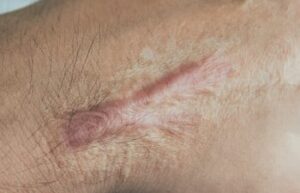

Some scars are pale, flat, and stable, yet they stand out because they are lighter than the surrounding skin. People with this kind of scar often hear about medical tattooing, which uses pigment to blend the mark with the skin around it. If you are comparing it with Surgical Scar Revision in Islamabad, it helps to know what each approach can and cannot do. This article explains how camouflage tattooing works, who it suits, and how it fits alongside surgery.
What Scar Camouflage Tattooing Is
Scar camouflage, also called medical micropigmentation, deposits tiny amounts of skin-toned pigment into the scar to reduce the color contrast. It is not decorative tattooing. The goal is not to cover the scar with a design but to match its color so that the eye does not catch on it. The pigment is carefully mixed to suit your natural skin tone, and the practitioner usually tests a small area first.
Which Scars Suit Camouflage
The best candidates are pale, flat, mature scars, such as those left after surgery, burns, or stretch marks, where the main problem is lack of pigment. Scars that are stable for a year or more and have no active redness are ideal. Camouflage suits people who are bothered by color rather than width, thickness, or tightness. It is also used on areas where hair has been lost, such as eyebrows or scalp scars.
Which Scars Do Not Suit It
Camouflage cannot change shape. A wide, raised, sunken, or tight scar will still look wide, raised, sunken, or tight after tattooing. Red or young scars are also unsuitable, since the color will keep changing. Scars prone to keloids carry a risk of thickening from the needle trauma itself, and practitioners often avoid them. In these cases, surgery or other medical treatments are more appropriate.
How the Procedure Works
The practitioner cleans the skin, selects pigments that match your tone, and applies them with a fine needle in a controlled pattern. The area may be numbed with a topical cream. Sessions last from thirty minutes to a couple of hours, and several sessions spaced about six to eight weeks apart are usual to build the color gradually. Between sessions the pigment settles, which is why the final shade is judged only after healing.
Healing and Aftercare
After a session the area may be red, tender, and slightly swollen for a few days, and small scabs may form. Keep it clean, avoid picking, and use only the care products advised. Avoid swimming, saunas, and strong sun until the skin has healed. The color often looks darker immediately and then lightens as the skin settles, so early appearances should not worry you.
Risks and Limits
Risks include infection, allergic reaction to pigment, uneven color, and fading over time. Pigment can also change shade with sun exposure, and the matched color may not suit the skin if your tan changes through the year. Because skin tone varies across seasons, results may need touch-ups. Choose a trained practitioner who works in a clean, licensed setting and uses sterile, single-use equipment.
How It Fits With Surgery
The two approaches solve different problems, and they can work together. Surgery can narrow and flatten a scar, and once it has matured, camouflage can blend the remaining pale line into the skin. In this way surgery fixes the shape and tattooing fixes the color. If you are planning both, tell each practitioner about the other, and wait until the scar has fully healed before any pigment work.
Questions to Ask Before You Decide
A short list can help:
- Is my scar suitable, given its color, shape, and age?
- How many sessions will I need, and how long will the color last?
- What happens if the shade does not match well?
A good practitioner answers these honestly, and may even advise against treatment if it will not help.
Final Thoughts
Scar camouflage tattooing can be a useful option for pale, flat, mature scars where color is the main problem, but it cannot reshape or flatten a scar. Surgery and camouflage often complement each other rather than compete. A consultation will help you decide whether your scar needs shape correction, color correction, or both, and in what order. Be cautious of promises of total disappearance, and choose experienced hands.