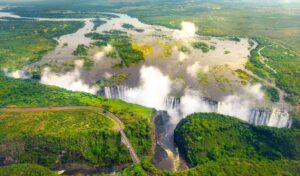

When travelers dream of Zimbabwe, their minds often leap straight to the roaring thunder of Victoria Falls or the vast, wildlife-teeming plains of Hwange National Park. However, nestled within the country’s ancient granite hills and rugged landscapes lies another subterranean world steeped in history, spirituality, and artistic genius: Zimbabwe’s hidden cave systems and prehistoric rock art sites.
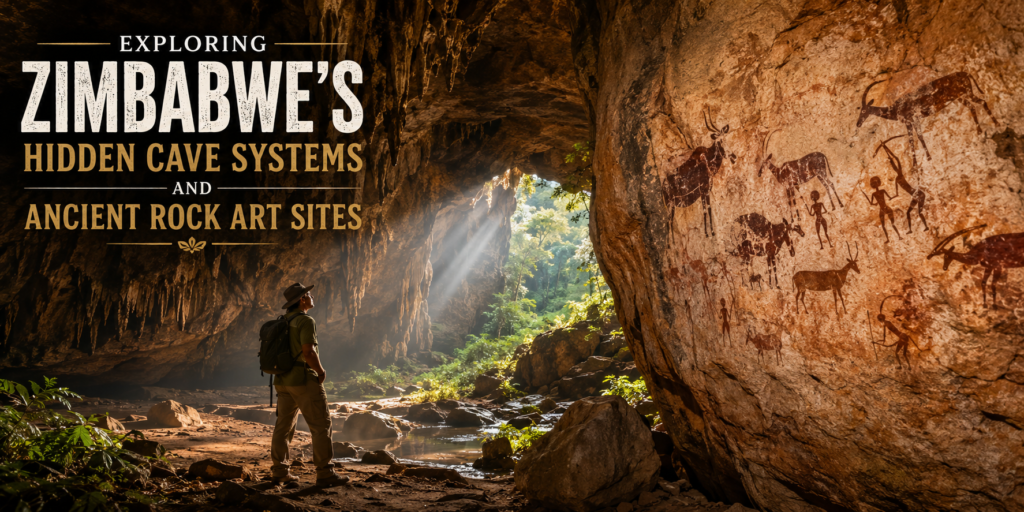
Dating back tens of thousands of years, these caves served as sanctuaries, ceremonial grounds, and living canvases for early San hunter-gatherer communities and ancient kingdoms. If you are seeking an off-the-beaten-path adventure that connects you with human history in its rawest form, exploring Zimbabwe’s underground caverns and open-air galleries should be at the top of your itinerary.
The Sacred Sanctuaries of Matobo Hills
Located in southern Zimbabwe, the Matobo Hills (a UNESCO World Heritage Site) contains one of the highest concentrations of rock art in Southern Africa. The dramatic granite landforms, known as kopjes, hold thousands of natural shelters and caves that shelter paintings created over 13,000 years ago.
Key Sites to Explore in Matobo:
- Nswatugi Cave: Home to some of the most vibrant and well-preserved rock paintings in Africa. The depictions of giraffes, antelopes, and human figures here are famous for their remarkable detail and fluidity.
- Silozwane Cave: Located deeper in the hills, this massive shelter requires a scenic hike. Inside, you will find expansive rock panels illustrating ancient hunter-gatherer social gatherings, rainmaking rituals, and wildlife.
- Pomongwe Cave: An important archaeological site where excavation revealed tools and artifacts spanning thousands of years of human occupation.
The Mysterious Cobalt Depths of Chinhoyi Caves
Moving north toward Harare, Chinhoyi Caves National Park offers a dramatic contrast to the dry granite shelters of Matobo. This subterranean limestone and dolomite cave network is famous for its limestone tunnels, sinkholes, and the breath-taking Sleeping Pool (Chirorodziva).
What Makes Chinhoyi Unique?
- The Cobalt-Blue Water: The central pool reaches depths of over 100 meters, featuring crystal-clear water with a striking electric-blue color that maintains a constant temperature year-round.
- Scuba Diving Adventures: Advanced divers from around the world travel to Chinhoyi to explore underwater passages, submerged archways, and hidden drop-offs.
- Local Legend: Known locally as Chirorodziva (“Pool of the Fallen”), the site holds deep spiritual significance in Shona culture, tied to historical events and traditional ancestral reverence.
Diana’s Vow: The Enigma of the Eastern Highlands
Tucked away in the Rusape region near the Eastern Highlands, Diana’s Vow contains one of the most intriguing and debated rock art friezes in Zimbabwe.
Unlike standard animal or hunting scenes found elsewhere, the main panel at Diana’s Vow features elaborately painted, reclining human figures adorned with intricate patterns, animal masks, and white markings. Archeologists and researchers believe the site depicts an ancient trance ritual or spiritual ceremony led by community shamans. The level of detail in the brushwork makes Diana’s Vow a must-visit for cultural history enthusiasts.
Domboshava and Ngomakurira: Sunset Views and Ancient Art
Just a short drive outside Harare, Domboshava and Ngomakurira offer accessible day trips for travelers who want to combine natural beauty with ancient history.
- Domboshava: Famous for its smooth, lichen-draped granite dome that turns golden at sunset. Tucked under its rock overhangs are ancient paintings depicting forest wildlife, human figures, and spiritual symbols.
- Ngomakurira: Considered a sacred mountain by local communities, this site features challenging hiking trails, cliffside views, and protected rock art panels hidden along the granite walls.
Practical Tips for Visiting Zimbabwe’s Prehistoric Sites
- Hire a Local Guide: Many cave paintings are hidden or hold complex cultural stories. Engaging a local community guide ensures you find the sites safely while gaining deep insight into local folklore and archaeological history.
- Practice Responsible Tourism: Rock paintings are extremely fragile. Never touch the painted surfaces, apply water to the rocks, or leave litter behind.
- Wear Sturdy Footwear: Reaching many rock shelters involves walking over uneven granite outcrops and mild steep scrambles.
- Plan Your Travel Documents Early: Before heading out into the Zimbabwean wilderness, ensure your entry requirements and tourist visas are fully arranged in advance.
Planning Your Journey: Essential Visa & Travel Support
To explore Zimbabwe’s ancient caves and national parks hassle-free, securing the correct travel authorization is your very first step. Depending on your nationality, you may need an e-Visa before departing or specific documentation upon arrival.
To help you navigate entry requirements, check out the comprehensive guide on Zimbabwe Visa Requirements to verify what documents you need before booking your flights.
Why Choose Us?
Navigating international travel requirements shouldn’t stand between you and an unforgettable African adventure. Here is why travelers rely on our dedicated services:
- Reliable Travel Visa Services: Our global approach has assisted numerous travelers in obtaining their Visa smoothly and securely.
- Round-the-Clock Assistance: Reach out to us 24/7, and our experts will respond within 72 hours to answer any questions about your application.
- Experienced Visa Consultants: Receive expert guidance throughout the process to ensure the accuracy and acceptance of your application.
- Efficient Visa Application Process: Apply for your Visa in minutes with our simplified online application form.
Final Thoughts
Zimbabwe’s hidden cave systems and ancient rock art sites offer a rare window into the spiritual, artistic, and daily lives of ancient African civilizations. Whether standing before the electric-blue waters of Chinhoyi or gazing at 10,000-year-old paintings in the Matobo Hills, these historic landmarks promise an enriching journey beyond the typical tourist trails.