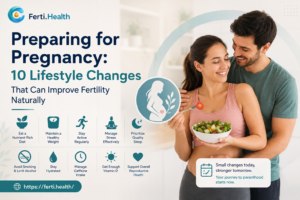

Preparing for pregnancy is an exciting journey, but it often begins long before a positive pregnancy test. Whether you’re planning to conceive in the next few months or simply want to improve your reproductive health, adopting healthier lifestyle habits can positively influence fertility for both men and women.
While no natural method can guarantee pregnancy, research shows that maintaining a healthy lifestyle supports hormone balance, improves egg and sperm quality, and creates a healthier environment for conception. Small, consistent changes often have a greater impact than quick fixes or trendy supplements.
Here are ten practical lifestyle changes that can help improve fertility naturally and prepare your body for a healthy pregnancy.
1. Maintain a Healthy Body Weight
Body weight plays an important role in reproductive health. Being underweight or overweight can disrupt hormone production, affect ovulation in women, and reduce sperm quality in men.
A healthy Body Mass Index (BMI), combined with balanced nutrition and regular physical activity, supports hormonal balance and improves the likelihood of conception.
Instead of following crash diets, focus on sustainable eating habits that nourish your body over the long term.
2. Eat a Fertility-Friendly Diet
Nutrition has a direct impact on reproductive health. A balanced diet provides the vitamins, minerals, and antioxidants needed for healthy eggs, sperm, and hormone production.
Include foods such as:
- Fresh fruits and vegetables
- Whole grains
- Lean proteins
- Fish rich in omega-3 fatty acids
- Nuts and seeds
- Legumes
- Dairy products in moderation
Limiting processed foods, excessive sugar, and trans fats may also support overall fertility health.
3. Stay Physically Active
Regular exercise helps regulate hormones, improves blood circulation, reduces stress, and supports a healthy weight.
Moderate activities such as walking, swimming, yoga, cycling, or strength training are beneficial. However, excessive high-intensity exercise without proper recovery may negatively affect ovulation or hormone levels in some individuals.
Aim for at least 150 minutes of moderate physical activity each week.
4. Manage Stress Effectively
Although stress alone is rarely the sole cause of infertility, chronic stress can influence hormone production, sleep quality, and overall well-being.
Healthy ways to reduce stress include:
- Meditation
- Deep breathing exercises
- Reading
- Spending time outdoors
- Talking with friends or family
- Practicing mindfulness
- Seeking professional counselling if needed
Managing emotional health is just as important as caring for physical health during the fertility journey.
5. Prioritize Quality Sleep
Sleep is essential for maintaining hormonal balance. Poor sleep patterns may interfere with reproductive hormones that regulate ovulation and sperm production.
Adults should aim for seven to nine hours of quality sleep every night. Maintaining a consistent bedtime routine and limiting screen time before bed can improve sleep quality.
6. Avoid Smoking, Alcohol, and Recreational Drugs
Smoking has been linked to reduced egg quality, lower sperm count, and decreased fertility in both men and women. Excessive alcohol consumption may also affect hormone levels and reproductive function.
If you’re planning a pregnancy, reducing or eliminating these habits can improve overall reproductive health and support a healthier pregnancy.
7. Track Ovulation and Menstrual Cycles
Understanding your menstrual cycle can help identify your most fertile days.
Many women use:
- Ovulation predictor kits
- Fertility tracking apps
- Basal body temperature monitoring
- Cervical mucus observations
Knowing when ovulation occurs helps couples time intercourse more effectively and may improve the chances of conception.
8. Don’t Forget Male Fertility
Fertility is not solely a women’s health issue. Male reproductive health contributes significantly to successful conception.
Men can improve fertility naturally by:
- Eating a nutritious diet
- Exercising regularly
- Maintaining a healthy weight
- Avoiding smoking
- Limiting alcohol
- Getting enough sleep
- Managing stress
- Avoiding prolonged heat exposure to the testicles
Supporting male fertility is an important part of pregnancy planning as a couple.
9. Schedule a Preconception Health Check
Before trying to conceive, it’s beneficial to consult a healthcare professional for a preconception evaluation.
A fertility assessment may include:
- Medical history review
- Lifestyle assessment
- Blood tests
- Hormone evaluation
- Reproductive health screening
- Vaccination review
Early identification of potential health concerns allows couples to address issues before they become barriers to conception.
Healthcare providers such as Ferti Health offer comprehensive fertility assessments and personalized guidance for couples planning their pregnancy journey.
10. Know When to Seek Professional Help
Natural lifestyle improvements support fertility, but they cannot address every underlying medical condition.
Consider consulting a fertility specialist if:
- You are under 35 and have been trying to conceive for 12 months without success.
- You are over 35 and have been trying for six months.
- You have irregular menstrual cycles.
- There is a history of endometriosis, polycystic ovary syndrome (PCOS), or previous reproductive surgery.
- The male partner has known fertility concerns.
Seeking medical advice early often leads to better treatment options and improved outcomes.
Building Healthy Habits Takes Time
Many people expect immediate results after changing their lifestyle, but reproductive health improves gradually. Since sperm development takes approximately three months and hormone balance may require time to stabilize, consistency is essential.
Rather than focusing solely on pregnancy as the end goal, think of these lifestyle changes as investments in your long-term health. They not only support fertility but also contribute to a healthier pregnancy and overall well-being.
Conclusion
Preparing for pregnancy involves much more than simply deciding to start a family. Nutrition, exercise, sleep, stress management, and regular health check-ups all contribute to reproductive health and can improve fertility naturally.
While healthy lifestyle choices create a strong foundation, every fertility journey is unique. If pregnancy does not happen as expected, consulting a qualified fertility specialist can help identify the underlying cause and guide you toward the most appropriate treatment options. Combining healthy habits with timely medical support gives couples the best opportunity to achieve their dream of parenthood.
Frequently Asked Questions
1. Can lifestyle changes improve fertility naturally?
Yes. Healthy eating, regular exercise, quality sleep, stress management, and avoiding smoking and excessive alcohol can support reproductive health in both men and women.
2. How long does it take for lifestyle changes to affect fertility?
Improvements in reproductive health may take several months. Sperm development takes around 70-90 days, while hormonal balance may also require time.
3. Which foods are considered fertility-friendly?
Fruits, vegetables, whole grains, lean proteins, fish, nuts, seeds, and foods rich in antioxidants and healthy fats are commonly recommended for reproductive health.
4. Does stress cause infertility?
Stress is not usually the direct cause of infertility, but chronic stress can affect hormones, sleep, and overall well-being, which may influence fertility.
5. When should couples consult a fertility specialist?
Couples should seek medical advice after 12 months of trying to conceive (or six months if the female partner is over 35), or sooner if there are known reproductive health concerns.