

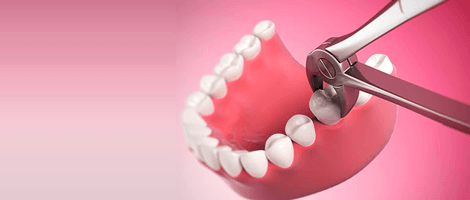
If you are already researching tooth extraction in India – whether for a severely decayed molar, an impacted wisdom tooth, or an overcrowded jaw – you probably have a dozen half-answered questions circling in your head. The procedure itself is straightforward for most dentists, but the information available online is scattered, often contradictory, and sometimes frankly misleading. This article cuts through the noise. We will look at what actually happens during and after an extraction, clear up myths that cause unnecessary anxiety, and give you a realistic picture of costs, recovery, and long-term care so that you can walk into your appointment feeling informed rather than apprehensive.
Understanding the Types of Tooth Extraction
Not all extractions are the same, and the type you need will directly influence both the procedure and the final bill.
Simple Extraction
A simple extraction is performed on a tooth that is fully visible above the gumline. The dentist loosens the tooth using an instrument called an elevator, then removes it with forceps. Local anaesthesia is sufficient, and the entire appointment rarely exceeds thirty minutes. Costs in India typically range from ₹300 to ₹1,500 depending on the city, the clinic, and whether digital X-rays are included.
Surgical Extraction
When a tooth is broken at the gumline, has curved roots, or has not fully erupted – as is common with wisdom teeth – a surgical extraction is necessary. The oral surgeon makes a small incision in the gum, may section the tooth into pieces for easier removal, and closes the site with dissolvable sutures. This is more involved, and Wisdom teeth extraction charges in India for a surgical procedure can range from ₹3,000 to ₹15,000 or more, depending on the complexity and whether sedation is used.
Common Myths About Tooth Extraction – Addressed Honestly
A surprising amount of patient anxiety stems not from genuine risk, but from myths passed down through family conversations or half-read articles. Here are several worth correcting.
Myth: Extraction Always Causes Unbearable Pain
Modern local anaesthesia is extremely effective. You may feel pressure and movement during the procedure, but sharp pain during extraction is uncommon when anaesthesia is administered properly. Post-operative soreness is normal and manageable with over-the-counter medication like ibuprofen or paracetamol. Most patients report the anticipation is far worse than the procedure itself.
Myth: You Should Avoid Eating for a Full Day Afterwards
You do not need to starve yourself. You should avoid eating immediately at the site of extraction for the first twenty-four hours, but soft foods like curd rice, mashed dal, banana, and cold soups are perfectly safe and actually help maintain your energy during recovery. The real rules are simpler: avoid hard, crunchy, or very hot foods, and do not use a straw for at least forty-eight hours.
Myth: A Gap Left by an Extracted Tooth Does Not Need to Be Addressed
This is one of the costlier misconceptions. Leaving a gap untreated causes neighbouring teeth to drift over time, alters your bite, and can lead to bone loss in the jaw. Depending on which tooth was extracted, your dentist will likely recommend an implant, bridge, or partial denture within a few months of healing.
What Actually Happens During Recovery
Recovery from a routine simple extraction is usually complete within a week. Surgical extractions, particularly impacted wisdom teeth, may take ten to fourteen days for the gum to close and several weeks for the underlying bone to fully remodel.
In the first twenty-four hours, the priority is clot formation. A blood clot forming in the socket is the foundation of healing. Dislodging it – by rinsing too hard, spitting forcefully, or using a straw – leads to a painful condition called dry socket, which is one of the most common post-extraction complications. If you develop a dull, throbbing ache two to four days after extraction rather than improving discomfort, contact your dentist promptly.
Mild swelling and bruising around the jaw are normal, particularly after surgical extractions. Applying a cold pack for fifteen minutes at a time during the first six hours helps manage both. After that, warm compresses can ease residual stiffness.
Factors That Influence Teeth Removal Cost in India
Cost varies considerably, and understanding what drives that variation helps you evaluate quotes more confidently.
Location and Clinic Type
A dental clinic in a metro like Mumbai or Bengaluru will generally charge more than one in a smaller city. Specialised dental centres with advanced imaging equipment, trained oral surgeons, and sterile modern facilities carry higher overheads, which are reflected in pricing. This is not necessarily a reason to choose the cheapest option – infection risk and procedural precision are real concerns.
Complexity and Anaesthesia Type
The position of the tooth, number of roots, degree of impaction, and whether general anaesthesia or conscious sedation is requested all affect the cost.
If you are wondering about the
Wisdom tooth removal treatment cost India, the figures quoted online are usually for single-tooth local anaesthesia cases – multi-tooth or sedation-based procedures cost more and should be discussed directly with your oral surgeon during the consultation.
Long-Term Oral Health After Extraction
Getting a tooth removed is not the end of your oral health journey – in many ways it is the beginning of a more intentional one. Once healing is complete, maintaining the surrounding teeth and gum tissue becomes more important than before. Here is what that looks like practically.
Continue brushing twice daily, but use a soft-bristled brush and be gentle near the healing site for at least three weeks. Saltwater rinses – one teaspoon of salt in a glass of warm water – can be started gently from the second day onwards and help keep the socket clean without disrupting the clot. Avoid tobacco entirely during the recovery period; smoking significantly delays healing and increases infection risk.
Once your dentist confirms the site is healed, discuss your tooth replacement options promptly. A dental implant is currently considered the most effective long-term solution because it preserves jaw bone density, but it involves a separate surgical procedure and has its own cost and healing timeline. Bridges and removable partial dentures are more immediate alternatives with different maintenance requirements.
For comprehensive guidance on your specific case and to understand what a modern, well-equipped clinic looks like, you might explore resources from SmyleXL Modern Dental Solutions as one point of reference among the options available in India.
Conclusion
Tooth extraction in India is a safe, accessible, and well-understood procedure when approached with accurate information. The costs are genuinely varied, which is why consulting directly with an oral surgeon – rather than relying solely on online figures – gives you the clearest picture. The real work begins after the extraction: following aftercare diligently, protecting the surrounding teeth, and planning for tooth replacement when appropriate. Most complications people fear are either preventable or easily treated when caught early. If you are preparing for an upcoming procedure, take this as encouragement that with a little preparation and the right clinic, the experience is far more manageable than the myths suggest. Do speak with a qualified dental professional before making any final decisions about your treatment plan.
Frequently Asked Questions
How long does it take to recover from a tooth extraction in India?
A simple extraction typically heals within five to seven days. Surgical extractions, especially of impacted wisdom teeth, may require ten to fourteen days for the gum to close fully. Complete bone healing beneath the surface takes several weeks longer, though most patients resume normal activity within a day or two of the procedure.
Is it normal to have swelling after a tooth extraction?
Yes, mild to moderate swelling is a normal part of the healing response, particularly after surgical extractions. It usually peaks around the second day and subsides by the fourth or fifth day. Applying a cold pack intermittently during the first six hours after the procedure helps reduce both swelling and discomfort.
Can I eat normally after a tooth extraction?
You should stick to soft foods for the first two to three days – things like curd, mashed vegetables, soups, and bananas are good choices. Avoid hard, crunchy, very hot, or spicy foods until the site has healed. Normal eating can gradually resume once the tenderness subsides and your dentist gives clearance.
What is dry socket and how can I avoid it?
Dry socket occurs when the blood clot that forms in the extraction site is dislodged or dissolves before the wound heals, exposing the underlying bone. It causes a distinctive dull, radiating ache that worsens around two to four days after extraction. To avoid it, do not use a straw, do not spit forcefully, avoid smoking, and follow your dentist’s rinsing instructions carefully.
Do I need to replace a tooth after it is extracted?
In most cases, yes. Leaving a gap untreated can lead to adjacent teeth shifting, changes in bite alignment, and gradual bone loss in the jaw. Your dentist will assess which replacement option – implant, bridge, or partial denture – suits your situation based on the location of the missing tooth, your bone density, and your overall oral health.
Source: tumblr.com