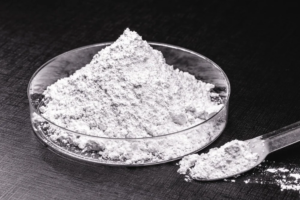

Food labels often contain ingredients that many people do not recognize. One common example is silicon dioxide. It appears in powdered foods, vitamins, spice blends, protein powders, and supplements. Because of this, many consumers now want to know whether this ingredient is safe for daily use.
Interest in food additives has grown quickly in recent years. People now read labels more carefully and pay closer attention to processed ingredients. As a result, ingredients that once received little attention now face more public discussion.
SiO₂ has remained part of the food industry for many years. Manufacturers mainly use it to prevent clumping and improve product stability. Even though the name sounds highly chemical, the compound itself comes from naturally occurring silica found in sand, quartz, and some plants.
Many people also confuse food-grade silica with industrial silica dust. However, these materials behave very differently. Understanding that difference is important when discussing safety.
What Is Silicon Dioxide?
This compound is made from silicon and oxygen atoms. It occurs naturally in the environment and appears in rocks, sand, and mineral deposits. Food manufacturers use purified forms of the material in processed foods and supplements.
Its main role involves preventing ingredients from sticking together. Powdered products can absorb moisture during storage. When this happens, clumping may occur. This silica-based additive helps keep powders smooth and free-flowing.
Manufacturers often use it in powdered soups, coffee creamers, seasoning mixes, baking powders, and meal replacement products. Supplement companies also add it to tablets and capsules because it improves powder flow during manufacturing.
Although many consumers notice the ingredient on labels, the amount used in food products usually remains very small.
Why Food Companies Use It?
Food companies need ingredients that improve texture and storage stability. Without anti-caking agents, powdered products may harden or develop uneven consistency over time.
This mineral-based ingredient helps absorb moisture and reduce clumping. As a result, powders pour more easily and maintain better texture during storage.
For example, protein powders and powdered drink mixes often use small amounts of this compound to improve mixing performance. Spice blends also rely on it to prevent moisture buildup and sticking.
Supplement manufacturers benefit from it as well. During capsule and tablet production, powders must move smoothly through equipment. This additive helps improve manufacturing consistency and reduces sticking during processing.
Because of these functions, the compound has become common in modern food production.
Is It Approved for Food Use?
Yes, several major food safety organizations allow its use in food products.
Regulatory agencies such as the U.S. Food and Drug Administration and the European Food Safety Authority permit food-grade silica in controlled amounts. These organizations continue reviewing scientific research and safety data regularly.
Current evidence shows that food-grade forms behave differently from industrial silica dust linked to workplace inhalation hazards. Industrial exposure mainly affects workers who inhale fine airborne particles over long periods.
Food products work differently because people consume the ingredients through digestion rather than inhalation. The digestive system processes these compounds differently from the lungs.
Researchers also report that the body absorbs very little food-grade silica during digestion. Most of it passes through the body without major accumulation.
Understanding the Difference Between Food and Industrial Silica
Many online discussions mix food-grade silica with industrial silica exposure. However, these situations are not the same.
- Industrial silica dust can create serious lung problems when workers inhale large amounts for many years. Construction workers, miners, and industrial employees may face these risks in poorly controlled environments.
- Food-grade silicon compounds enter the body through digestion instead of breathing. Because of this, the exposure process works very differently.
Current scientific evidence does not show the same respiratory risks from normal dietary intake. This distinction helps explain why regulatory agencies continue allowing food-grade forms in processed products.
Understanding this difference can reduce confusion when reading online discussions about silica safety.
How Much Do People Consume?
Most people consume small amounts of this additive each day without noticing it.
Processed foods, seasoning packets, supplements, powdered drinks, and meal replacements often contain low concentrations. However, manufacturers usually use only enough to improve product stability and processing.
Food safety agencies also limit how much companies can include in products. These limits help maintain safe exposure levels.
Researchers continue studying long-term dietary intake patterns. Current studies have not shown strong evidence of harm from normal consumption levels in approved food products.
At the same time, many nutrition experts still encourage balanced diets with fewer processed foods overall.
Why Supplements Often Contain SiO₂?
Supplement manufacturers frequently use this ingredient in powders, capsules, and tablets. It helps ingredients flow smoothly during production and prevents powders from sticking together. Without anti-caking agents, many supplements would become harder to manufacture consistently.
Consumers often notice the ingredient in multivitamins, magnesium products, herbal capsules, and protein powders. Some people prefer supplements with fewer additives. However, current research continues to support the safety of food-grade silicon compounds in approved quantities. Consumers who want simpler ingredient lists may still choose products with fewer stabilizers or fillers.
Are There Any Health Concerns?
Most current research supports the safety of food-grade SiO₂ in regulated amounts. However, researchers still continue studying long-term exposure and nanoparticle behavior in some applications.
- Certain laboratory studies have explored how extremely small silica particles interact with cells. Even so, these studies often use concentrations much higher than normal dietary intake.
- At present, regulatory agencies still consider approved food-grade forms safe for regular consumption within established limits.
- Some individuals with sensitive digestion may still prefer avoiding certain processed additives. However, this usually depends more on personal preference than confirmed toxicity concerns.
- Ingredient quality also matters greatly. Reliable manufacturers follow stronger purification and quality control standards during production.
Tips for Consumers Reading Labels
Reading labels carefully can help consumers make better food choices.
- People who prefer fewer additives may choose products with shorter ingredient lists. Whole foods and less processed products usually contain fewer stabilizers and anti-caking agents.
- Consumers should also avoid assuming that every chemical-sounding ingredient is automatically dangerous. Many food additives have undergone years of scientific safety evaluation.
- At the same time, balance remains important. Diets based mainly on fresh foods may help reduce unnecessary additive exposure from many different ingredients.
When choosing supplements, consumers may also look for brands that provide third-party testing and strong quality control.
Future Research and Food Trends
Food science continues evolving, and researchers still study how additives affect long-term health. Many companies now face growing demand for cleaner labels and simpler ingredient lists. Because of this, some manufacturers continue exploring alternative anti-caking ingredients and new processing methods.
Even so, silica-based additives remain widely used because they work efficiently and require only small amounts. Future studies will likely continue examining nanoparticle behavior and long-term dietary exposure. However, current evidence still supports the approved use of food-grade silicon compounds in foods and supplements.
Conclusion
Silicon dioxide remains one of the most common additives used in modern foods and supplements. Manufacturers mainly use it to prevent clumping, improve stability, and support smoother processing.
Although the ingredient may sound unfamiliar to some consumers, food-grade forms differ greatly from industrial silica dust linked to workplace inhalation risks.
Current scientific research and regulatory reviews continue to support the safety of approved food-grade forms in normal dietary amounts.
Consumers who prefer cleaner diets may still choose products with fewer additives. However, most available evidence suggests that regulated amounts used in food and supplements remain safe for general consumption.