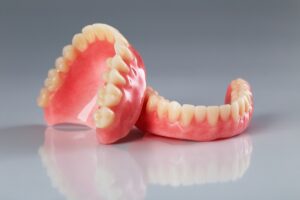

How Do Dentures Improve Chewing Ability?
Natural teeth work together to bite, tear, and grind food into smaller pieces. When several teeth are missing, this process becomes less efficient. People may struggle with firm foods, avoid certain meals, or chew only on one side of their mouth.
Dentures help replace missing teeth, allowing the mouth to handle a wider variety of foods. They restore chewing surfaces and help distribute biting forces more evenly across the available oral structures.
Restoring Essential Chewing Functions
Well-fitted dentures can make everyday activities such as eating bread, vegetables, and tender meats easier. They also help improve the balance between the upper and lower teeth, supporting a more coordinated bite.
Although dentures may not provide exactly the same biting strength as natural teeth, they can significantly improve eating comfort for many people. The degree of improvement depends on the type of dentures, the condition of the gums, and how well the appliance fits.
Supporting More Balanced Eating Habits
Missing teeth can cause people to rely on soft foods that require little chewing. Over time, this may reduce dietary variety and make balanced nutrition more challenging.
Dentures can help individuals gradually reintroduce suitable foods into their meals. With proper guidance, wearers may find it easier to enjoy a broader range of nutritious options, including cooked vegetables, soft fruits, fish, and other foods that support general well-being.
The Connection Between Dentures and Digestive Health
Chewing is the first stage of digestion. It breaks food into smaller pieces and mixes it with saliva, making it easier to swallow and allowing digestive processes to begin effectively.
When teeth are missing, food may not be broken down as efficiently. People may swallow larger pieces or avoid foods that require more effort to chew.
Making Food Easier to Process
Dentures can help restore the ability to grind food more effectively before swallowing. While they do not directly treat digestive conditions, improved chewing may make meals more manageable and comfortable.
It is important to remember that digestion depends on many factors, including saliva production, stomach function, and overall health. Dentures support the initial stage of digestion but cannot guarantee that digestive problems will disappear.
Encouraging a More Varied Diet
When eating becomes difficult, people may stop choosing foods that are important sources of protein, fiber, vitamins, and minerals. A suitable denture can help make some of these foods easier to eat.
Wearers should still adapt food textures to their comfort level, particularly during the adjustment period. Cutting food into smaller pieces and chewing slowly can make meals more manageable.
Different Types of Dentures for Better Chewing
Choosing the right denture depends on the number of missing teeth, gum health, jawbone condition, and personal needs. A dental professional can assess these factors and recommend an appropriate option.
Complete Dentures
Complete dentures replace all the teeth in the upper or lower arch. They are designed for people who have lost all their natural teeth in one or both jaws.
When properly fitted, complete dentures can restore basic chewing function and support facial appearance. However, lower dentures may sometimes feel less stable because the tongue and surrounding muscles influence their position.
Partial Dentures
Partial dentures replace several missing teeth while preserving the remaining natural teeth. They may use clasps or other supporting structures to remain in place.
By filling gaps in the dental arch, partial dentures can improve chewing balance and prevent people from relying excessively on a small number of remaining teeth.
Implant-Supported Dentures
Implant-supported dentures attach to dental implants placed in the jawbone. Depending on the design, they may offer greater stability than conventional removable dentures.
This additional support can improve chewing confidence for suitable candidates. However, implant treatment requires careful evaluation of bone health, general health, and oral hygiene.
How to Adjust to Eating With Dentures
Getting used to dentures takes patience. New wearers may initially experience changes in chewing patterns, increased saliva, or mild soreness as the mouth adapts.
A gradual approach can make the transition easier.
-
Start with soft foods: Choose foods such as scrambled eggs, yogurt, mashed vegetables, and tender fish.
-
Take small bites: Smaller portions are easier to manage while learning to chew with dentures.
-
Chew on both sides: Balanced chewing can help improve stability, particularly with removable dentures.
-
Increase food variety gradually: Introduce firmer foods as comfort and confidence improve.
-
Follow dental advice: Attend adjustment appointments and report persistent discomfort or slipping.
Never ignore ongoing pain, sores, or difficulty eating. These problems may indicate that the dentures need professional adjustment.
Maintaining Dentures for Long-Term Comfort
Proper maintenance is essential for comfortable chewing and healthy oral tissues. Food particles and plaque can accumulate on dentures, contributing to unpleasant odors, irritation, and oral health problems.
Clean removable dentures daily with a suitable denture brush and recommended cleanser. Avoid hot water, which may distort the material. Clean the gums, tongue, and any remaining natural teeth as well.
Regular dental checkups help assess denture fit and identify changes in the gums or jaw. Over time, the shape of the mouth may change, making adjustments, relining, or replacement necessary.
Conclusion
Teeth dentures play an important role in restoring chewing ability, improving food choices, and supporting everyday comfort after tooth loss. Whether someone needs complete, partial, or implant-supported dentures, the right solution can make eating more manageable and help restore confidence during meals.
The most suitable option depends on individual oral health needs, lifestyle, and the condition of the remaining teeth and gums. With professional guidance, proper adjustment, and consistent care, dentures can provide valuable support for comfortable chewing and a better quality of life.