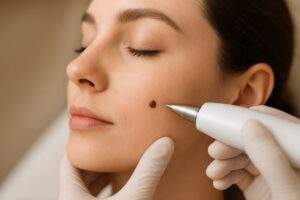

Moles are common skin growths that can vary in colour, size, shape, and texture. While many moles are harmless, some people consider removal because of cosmetic concerns, irritation, or changes that require medical assessment. Choosing the right procedure involves more than selecting a treatment based on appearance. It requires professional evaluation, an understanding of available techniques, and realistic expectations about healing.
For individuals considering Mole removal treatment in Islamabad, learning about the different procedures can help make the consultation more productive. A qualified healthcare professional can assess the mole, discuss suitable options, and determine whether further testing is necessary before removal.
Understand Why You Want the Mole Removed
The first step is identifying the reason for removal. Some moles are located in areas where clothing, jewellery, or shaving repeatedly irritates them. Others may be noticeable on the face, neck, or hands, leading people to seek cosmetic improvement.
Medical concerns should always take priority. A mole that changes in size, shape, or colour, develops irregular borders, or begins to itch or bleed without a clear reason should be assessed promptly. These changes do not automatically indicate skin cancer, but they should not be ignored.
During your consultation, explain your concerns and describe any changes you have noticed. This information helps the clinician determine whether the mole can be approached as a cosmetic concern or requires further investigation.
Explore the Main Mole Removal Procedures
Different removal techniques are appropriate for different types of moles. The recommended option depends on the mole’s depth, location, appearance, and medical characteristics.
Surgical Excision
Surgical excision involves cutting out the mole and, when appropriate, a small margin of surrounding skin. The area is usually numbed with local anaesthetic, and stitches may be required to close the wound.
This method may be recommended when complete removal is necessary or when the clinician needs tissue for laboratory examination. It can leave a scar, and the final appearance depends on the size and location of the wound and how the skin heals.
Shave Removal
Shave removal involves using a sterile surgical instrument to remove certain raised moles at or near the skin surface. It may be suitable for selected lesions after a professional assessment.
Not every mole is appropriate for this technique. Deeper lesions or moles that require more complete removal may need another approach. Your clinician can explain the possibility of regrowth and whether tissue testing is recommended.
Laser Treatment
Laser treatment may be considered for certain carefully assessed benign pigmented lesions. However, it is not suitable for every mole, particularly one that appears suspicious or has an uncertain diagnosis.
When a mole requires diagnostic evaluation, a method that preserves tissue for laboratory testing may be more appropriate. Laser treatment should not replace necessary medical assessment.
Consider the Mole’s Location and Characteristics
The location of a mole can influence the procedure selected. Moles on the face may require particular attention to cosmetic outcomes, while those on areas exposed to friction may need consideration of wound protection during recovery.
The mole’s size, depth, pigmentation, and shape also affect treatment decisions. A raised mole may be managed differently from a flat or deeply pigmented lesion. Skin type and previous scarring can also influence healing and the appearance of the treatment site.
Rather than choosing a procedure based only on online photographs or recommendations from others, ask your clinician which option is appropriate for your specific mole.
Ask About Benefits, Risks, and Expected Results
Every procedure has advantages and limitations. Before making a decision, ask about expected results, discomfort, recovery time, possible scarring, and the chance of recurrence.
Potential risks include bleeding, infection, changes in skin pigmentation, visible scarring, and regrowth of some mole tissue. The likelihood of these outcomes varies depending on the technique and individual healing response.
It is important to understand that no procedure can guarantee perfectly smooth skin or a completely scar-free result. A responsible practitioner will explain realistic expectations and discuss what can be done if the final appearance is different from what you hoped for.
Prepare for Your Consultation
A consultation provides an opportunity to discuss your medical history and treatment goals. Tell the clinician about allergies, existing medical conditions, previous skin procedures, and any medications or supplements you take. Do not stop prescribed medicines unless instructed by your healthcare professional.
You may wish to ask the following questions:
-
Which removal procedure is most appropriate for my mole, and why?
-
Does the mole require a biopsy or laboratory examination?
-
What are the possible complications and expected healing time?
-
Will stitches or follow-up visits be necessary?
-
What aftercare should I follow?
-
How will I receive any laboratory results?
Clear answers can help you feel more confident about your decision and understand what to expect before treatment begins.
Follow Proper Aftercare for Better Healing
Aftercare is an important part of the removal process. Follow your clinician’s instructions about cleaning the wound, changing dressings, and using recommended products. Avoid scratching the area, pulling off scabs, or disturbing stitches.
Protect the treated site from repeated friction and avoid activities that could damage the wound. Once the skin has healed, use appropriate sun protection to help reduce pigmentation changes.
Mild tenderness or limited redness may occur during early healing, but symptoms should generally improve. Seek medical advice if you experience worsening pain, spreading redness, pus, fever, or persistent bleeding.
Healing times vary depending on the procedure, wound depth, and individual skin characteristics. Scars may continue to change in appearance over several months.
Choosing Mole Removal Treatment in Islamabad
When considering Mole removal treatment in Islamabad, look for a qualified healthcare professional who prioritises skin health, accurate assessment, and safe clinical practice. The provider should explain the available options, discuss whether testing is necessary, and provide clear instructions for recovery.
Avoid home removal kits, cutting tools, acids, and unverified remedies. These methods can damage the skin, cause infection, leave permanent scars, and delay diagnosis of a potentially serious condition.
The right choice combines medical suitability with your personal concerns and realistic expectations. A professional consultation is the best starting point.
Conclusion
Choosing a mole removal procedure involves understanding why removal is needed, comparing suitable techniques, and considering the risks and healing process. Professional assessment is particularly important when a mole changes or appears unusual.
By asking informed questions, following personalised aftercare instructions, and attending recommended follow-up appointments, you can make a more confident decision about your skin health.
Frequently Asked Questions
1. Which mole removal procedure is best?
The most suitable procedure depends on the mole’s size, depth, location, and appearance. A qualified healthcare professional can assess the mole and recommend an appropriate method.
2. Does mole removal leave a scar?
A scar may remain after removal. Its appearance depends on the technique used, the mole’s characteristics, the treatment location, and individual healing. A completely scar-free result cannot be guaranteed.
3. How long does it take to recover after mole removal?
Superficial wounds may heal within a few weeks, while deeper surgical wounds can take longer. Scar colour and texture may continue changing for several months.
4. How do I choose Mole removal treatment in Islamabad?
Choose a qualified healthcare professional who can examine the mole, explain suitable procedures, discuss whether laboratory testing is needed, and provide clear aftercare guidance.
For more information visit Enfield royal clinic in islamabad