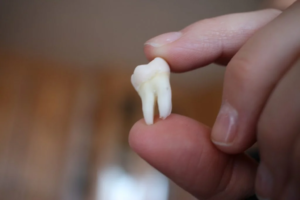

Wisdom tooth removal is one of the most common dental procedures performed worldwide. While some people never experience issues with their wisdom teeth, many suffer from pain, swelling, infection, or overcrowding that requires professional treatment. Understanding the cost of wisdom tooth removal and the recovery timeline can help patients prepare for the procedure with confidence.
In this blog, we’ll explain everything you need to know about wisdom tooth extraction, including treatment costs, factors affecting pricing, recovery stages, and aftercare tips.
What Is Wisdom Tooth Removal?
Wisdom teeth are the third set of molars located at the back of the mouth. They usually appear between the ages of 17 and 25. In many cases, there is not enough space in the jaw for these teeth to grow properly, leading to problems such as:
-
Pain and swelling
-
Gum infections
-
Tooth decay
-
Impacted teeth
-
Damage to nearby teeth
-
Difficulty chewing
When these issues occur, dentists often recommend wisdom tooth removal treatment to prevent further complications.
Types of Wisdom Tooth Removal Procedures
The cost and recovery timeline depend largely on the type of extraction required. There are two common types:
1. Simple Extraction
This procedure is performed when the wisdom tooth has fully erupted through the gums. The dentist loosens and removes the tooth using dental instruments under local anesthesia.
2. Surgical Extraction
A surgical extraction is needed for impacted or partially erupted wisdom teeth. The oral surgeon may need to make an incision in the gum and sometimes remove a small portion of bone around the tooth.
Surgical extractions are more complex and usually require a longer recovery period.
Wisdom Tooth Removal Treatment Cost
The cost of wisdom tooth removal can vary depending on several factors such as the complexity of the extraction, the dentist’s experience, clinic location, and anesthesia used.
Procedure Type Estimated Cost
Simple Wisdom Tooth Extraction ₹2,000 – ₹5,000 per tooth
Surgical Wisdom Tooth Removal ₹5,000 – ₹15,000 per tooth
Impacted Wisdom Tooth Surgery ₹8,000 – ₹20,000 per tooth
Sedation or General Anesthesia Additional ₹3,000 – ₹10,000
The final price may increase if advanced imaging, medications, or follow-up visits are required.
Factors Affecting Wisdom Tooth Removal Cost
Several factors influence the overall treatment expense:
1. Tooth Position
Impacted wisdom teeth that are trapped beneath the gums or jawbone require more complex surgery.
2. Number of Teeth Removed
Some patients remove all four wisdom teeth at once, increasing the total cost but reducing repeated recovery periods.
3. Clinic Location
Dental clinics in metropolitan cities may charge more than smaller towns due to higher operational costs.
4. Dentist’s Expertise
Experienced oral surgeons often charge higher fees because of their advanced surgical skills and expertise.
5. Type of Anesthesia
Local anesthesia is usually included in the basic treatment cost, while IV sedation or general anesthesia costs extra.
If you are looking for wisdom tooth removal in Bhopal, Smile Gallery Dental Wellness Centre is a trusted option. Their experienced team of dentists and oral surgeons specializes in both simple and surgical extractions. Using modern equipment and painless techniques, they ensure a safe and comfortable procedure for every patient.
During your consultation at Smile Gallery Dental Wellness Centre, the dentist will examine your teeth, take necessary X-rays, and recommend the best treatment plan. This personalized approach helps minimize complications and ensures a smooth recovery.
Wisdom Tooth Removal Procedure
Understanding the treatment process can help reduce anxiety before surgery.
Initial Consultation
The dentist examines your mouth and takes X-rays to evaluate the position of the wisdom teeth.
Anesthesia
Local anesthesia numbs the area around the tooth. In complex cases, sedation or general anesthesia may be used.
Tooth Extraction
The dentist removes the tooth carefully. For impacted teeth, the surgeon may cut the gum and divide the tooth into smaller sections for easier removal.
Stitching
Sutures may be placed to help the gums heal properly.
The entire procedure typically takes 20 to 60 minutes, depending on complexity.
Recovery Timeline After Wisdom Tooth Removal
Recovery time varies from person to person. Most patients recover within one to two weeks.
First 24 Hours
-
Bleeding is normal for a few hours
-
Blood clots form in the extraction site
-
Mild swelling and discomfort begin
-
Rest is recommended
Patients should avoid spitting, smoking, or drinking through a straw during this period because it can dislodge the blood clot and lead to dry socket.
Days 2–3
-
Swelling usually peaks
-
Jaw stiffness may occur
-
Pain can be managed with prescribed medications
-
Soft foods are recommended
Applying an ice pack helps reduce swelling and discomfort.
Days 4–7
-
Swelling gradually decreases
-
Most patients can return to work or college
-
The gum tissue starts healing
-
Stitches may dissolve or be removed
Week 2
-
Most discomfort disappears
-
Normal eating habits slowly resume
-
The extraction site continues healing internally
Complete bone healing may take several weeks or months, although patients usually feel normal much earlier.
Tips for Faster Recovery
Following proper aftercare instructions is essential for smooth healing.
Eat Soft Foods
Choose foods like:
-
Yogurt
-
Soup
-
Mashed potatoes
-
Smoothies
-
Oatmeal
Avoid hard, spicy, or crunchy foods for several days.
Maintain Oral Hygiene
Keep your mouth clean but avoid brushing directly over the extraction site for the first day. Warm saltwater rinses can help reduce bacteria after 24 hours.
Avoid Smoking and Alcohol
Smoking increases the risk of infection and dry socket, which can delay healing significantly.
Stay Hydrated
Drink plenty of water, but avoid using straws.
Take Medications as Prescribed
Painkillers and antibiotics help manage discomfort and prevent infection.
Possible Complications
Wisdom tooth removal is generally safe, but complications can occasionally occur.
Dry Socket
This painful condition happens when the protective blood clot becomes dislodged.
Infection
Symptoms include fever, pus, severe swelling, or persistent pain.
Nerve Damage
Rarely, nearby nerves may be temporarily affected, causing numbness in the lips or tongue.
Contact your dentist immediately if you experience unusual symptoms after surgery.
When Should You Remove Wisdom Teeth?
Not everyone needs wisdom tooth removal. However, dentists usually recommend extraction when there is:
-
Persistent pain
-
Infection
-
Impacted teeth
-
Crowding
-
Cysts or gum disease
-
Difficulty cleaning the area
Early removal is often easier because younger patients generally heal faster and experience fewer complications.
Wisdom tooth removal treatment is a common and effective solution for preventing dental pain and complications. The treatment cost depends on the complexity of the extraction, while recovery usually takes one to two weeks with proper care.
If you are experiencing wisdom tooth pain, swelling, or discomfort, consult an experienced dentist for a proper evaluation. Timely treatment can prevent serious oral health problems and ensure a smoother recovery process.
By understanding the procedure, expected costs, and healing timeline, patients can feel more prepared and confident about undergoing wisdom tooth extraction.
Original Sources : – Wisdom Tooth Removal Treatment Cost and Recovery Timeline