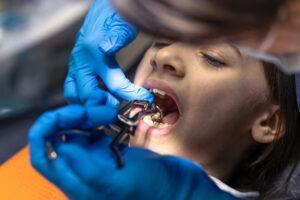

Most people know their wisdom teeth will show up eventually. What they do not always know is when those teeth cross the line from harmless to harmful. The problem is that wisdom teeth rarely give a clear, dramatic warning. The signs creep in slowly, a dull ache here, a sore jaw there, and it is easy to brush them off as something minor.
But ignoring the early signals often turns a straightforward removal into a more complicated procedure. The longer you wait, the more developed the roots become, the denser the surrounding bone, and the harder the recovery.
At HealthOne’s dental clinic in Toronto, our team sees this pattern regularly. Patients come in after months of putting up with discomfort that could have been resolved much sooner. In many cases, early treatment and a professional evaluation can help determine whether Wisdom Tooth Removal in Toronto is the right solution before the issue worsens.
This post covers the seven warning signs that mean it is time to stop waiting and book an assessment. If you are experiencing any of these symptoms, learning more about Wisdom Tooth Removal in Toronto can help you make an informed decision about your oral health.
7 Signs You May Need Wisdom Tooth Removal in Toronto
1. Persistent Pain at the Back of Your Mouth
This is the most common sign and the one most people try to wait out. A dull, throbbing ache at the very back of your jaw behind your second molars is often the first signal that a wisdom tooth is pushing through or pressing against neighbouring teeth.
The pain may come and go at first. You might feel it when you bite down, when you eat, or when you wake up in the morning. Some people notice it radiating toward the ear or down the jaw. If it keeps returning, that pattern matters more than the intensity. A pain that keeps coming back is your body telling you something is wrong.
2. Swollen or Bleeding Gums Around the Back Teeth
Red, puffy, or bleeding gums near the back of your mouth are a strong indicator that a wisdom tooth is partially erupting. When a tooth only partially breaks through the gum, it creates a flap of tissue over the tooth a pocket where food and bacteria collect throughout the day no matter how well you brush.
That trapped bacteria leads to inflammation, and that inflammation leads to a condition called pericoronitis an infection of the gum tissue around the wisdom tooth. It can cause significant pain, swelling, and even difficulty swallowing if it spreads. At that stage, you are no longer dealing with dental inconvenience. You are dealing with an active infection that needs prompt attention from a dental clinic in Toronto.
3. Jaw Stiffness or Difficulty Opening Your Mouth Fully
If you notice that your jaw feels tight, stiff, or harder to open than usual especially in the morning — do not assume it is just tension from stress or poor sleep. Restricted jaw movement is a recognised sign of wisdom tooth trouble.
An erupting or impacted wisdom tooth puts pressure on the surrounding structures, including the muscles and joints of the jaw. Over time this can affect how wide you can open your mouth and make chewing genuinely uncomfortable. If you are avoiding certain foods because of jaw pain, that is a clear signal to get checked.
4. Recurring Bad Taste or Bad Breath That Does Not Go Away
You brush twice a day. You use mouthwash. And still, there is a persistent unpleasant taste or odour in your mouth that you cannot seem to clear.
This is often caused by a partially erupted wisdom tooth. The gum flap sitting over the tooth traps food debris every single time you eat. That debris breaks down, feeds bacteria, and produces the taste and smell you are noticing. No amount of brushing fully resolves the problem because the source of the gum pocket is still there. A dentist can confirm whether your wisdom teeth are the cause.
5. Crowding or Shifting of Your Front Teeth
This one surprises many patients. If your teeth seem to be shifting, overlapping, or crowding particularly your lower front teeth wisdom teeth pressure is sometimes the cause.
As wisdom teeth push forward, they exert pressure on the teeth in front of them. That pressure travels along the dental arch and can gradually move your other teeth out of alignment. Patients who have had orthodontic treatment and notice their teeth shifting again should specifically mention this to their dentist when checking wisdom teeth.
6. Headaches That Start Near the Jaw
Frequent tension headaches, especially ones that seem to begin around the jaw or temple area, are sometimes connected to wisdom teeth particularly when those teeth are impacted and pressing against the jawbone or adjacent roots.
This connection is often missed because people associate headaches with stress, screen time, or dehydration before they think about their teeth. If you have chronic headaches with no clear cause and you have not yet had your wisdom teeth assessed, it is worth mentioning to your dentist.
7. Visible Swelling on One Side of the Face or Jaw
Facial swelling that is localised to one side of your jaw or cheek especially if accompanied by warmth, tenderness, or a fever is a sign that needs same-day attention. This level of swelling typically indicates an abscess or spreading infection from an impacted or infected wisdom tooth.
This is the point where emergency dental Toronto care is appropriate. An infection that has progressed to visible facial swelling can spread to the throat, neck, and in serious cases, beyond. Do not take a wait-and-see approach with facial swelling. Call your dental clinic the same day.
What Happens If You Ignore These Signs?
The short answer: the problem gets more complicated and more expensive.
Wisdom teeth that are left untreated when there are clear signs of trouble do not tend to settle down on their own. Infections worsen. Adjacent teeth get damaged from the pressure. Cysts can form around an impacted tooth and slowly erode the surrounding jawbone — a much larger problem than the extraction itself would have been.
Removing wisdom teeth in your late teens or early twenties, when roots are shorter and bone is less dense, is genuinely easier than removing them at 35 or 45. Recovery is faster, the procedure is typically less complex, and the risk of complications is lower. Every year you delay past that ideal window adds a small amount of risk to the process.
Wisdom Teeth Removal Cost in Ontario — What to Expect
One of the most common reasons patients delay getting their wisdom teeth assessed is uncertainty about cost. Understanding wisdom teeth removal costs in Ontario up front makes that decision much easier.
In Ontario, a single wisdom tooth removal generally ranges from $200 to $600, depending on the complexity of the case. A straightforward extraction of a fully erupted tooth sits at the lower end of that range. A surgical extraction of a fully impacted tooth sits at the higher end or above it.
The main factors that affect the final cost are:
- Whether the tooth is fully erupted, partially erupted, or fully impacted
- The position and angle of the tooth in the jawbone
- Whether sedation is used nitrous oxide, oral sedation, or IV sedation each adds to the total
- Diagnostic fees including X-rays or a 3D cone beam scan if needed
- The number of teeth being removed at once
If all four wisdom teeth are removed together under sedation, patients in Ontario can expect to pay between $1,500 and $2,500 in total depending on complexity.
Most Canadian dental insurance plans cover wisdom tooth extraction under basic or major dental benefits. The procedure is considered medically necessary when impaction, infection, or damage to adjacent teeth is involved. Check your plan for your specific coverage limit and co-pay percentage before booking. At HealthOne’s dental clinic in Toronto, our team will help you understand your coverage before any work begins.
When Is It an Emergency?
Most wisdom tooth situations can be managed with a scheduled appointment. But some signs require same-day emergency dental Toronto care:
- Severe, uncontrolled pain that does not respond to over-the-counter pain medication
- Visible swelling on the face or jaw
- Fever alongside dental pain
- Difficulty swallowing or opening your mouth at all
- Pus or discharge near the tooth
If you are experiencing any of these, contact HealthOne or your nearest emergency dental provider the same day. Spreading dental infections move quickly and should not be left until a standard appointment slot opens up.
Why Patients Choose HealthOne’s Dental Clinic in Toronto
HealthOne Harbourfront is a multi-discipline clinic with dentists, physicians, physiotherapists, and a licensed pharmacy all in one building. When you come in to have your wisdom teeth assessed, you are not walking into a standalone dental office. You are walking into a full care team.
For wisdom tooth removal specifically, that means your dentist can coordinate with our medical team if sedation or pre-operative considerations are relevant, and our in-house pharmacy can fill your post-procedure prescription before you leave the building.
We also accept the Canadian Dental Care Plan (CDCP) for eligible patients and offer direct billing with most extended health insurance plans.
Our Harbourfront clinic is steps from Union Station easy to reach from anywhere in downtown Toronto.
Frequently Asked Questions
How do I know if my wisdom tooth is impacted?
You cannot always tell from symptoms alone. Impaction is confirmed through a dental X-ray that shows the position, angle, and depth of the tooth in the jawbone. Common signs that suggest impaction include pain at the back of the jaw, swollen gums, jaw stiffness, and recurring infections. If you have any of these, book an assessment rather than waiting for the pain to resolve on its own.
Is wisdom tooth removal painful?
The procedure itself is not painful. Your dentist will use local anaesthetic to numb the area completely before starting. You may feel pressure during the extraction but not sharp pain. Sedation options including nitrous oxide and oral sedation are available at HealthOne if anxiety is a concern. Post-procedure soreness is normal for two to four days and is managed with anti-inflammatory medication.
How long is recovery after wisdom tooth removal in Toronto?
Most patients return to light daily activity within two to three days. Swelling and tenderness typically peak around day two and improve from there. Full healing of the gum tissue takes two to three weeks. Your dentist will give you specific aftercare instructions. The most important ones in the first 24 hours are to avoid rinsing, spitting, straws, and smoking, all of which can disturb the blood clot and increase the risk of dry socket.
Does dental insurance cover wisdom teeth removal in Ontario?
In most cases, yes. Wisdom tooth extraction is classified as a basic or major dental procedure under most Canadian employer benefit plans. Coverage levels vary; some plans cover 80 percent, others 50 percent, with an annual maximum that applies. At HealthOne, our team will review your coverage before the procedure so you know exactly what to expect out of pocket.
Can I go to a walk-in dental clinic for wisdom tooth pain in Toronto?
Yes. If you are experiencing wisdom tooth pain and do not have a regular dentist, HealthOne’s dental team accepts walk-in and same-day appointments at our Harbourfront location. For emergency dental situations involving facial swelling, fever, or severe uncontrolled pain, contact us directly by phone so we can prioritise your care.