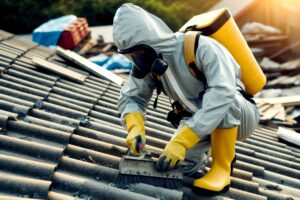

Asbestos was once widely used in Australian homes, commercial buildings, and industrial properties because of its durability, heat resistance, and insulating properties. However, materials containing asbestos can become a serious health concern when they are damaged, disturbed, or improperly handled. Renovations, demolitions, maintenance work, and even natural deterioration can release microscopic asbestos fibres into the air, creating risks for occupants and workers.
For property owners, identifying and managing asbestos safely is therefore an important part of responsible property maintenance. Professional removal services provide the expertise, equipment, planning, and controlled procedures required to minimise exposure and ensure affected materials are handled appropriately. Whether dealing with an older residential property or a larger commercial site, taking a professional approach can make asbestos management safer and more effective.
Understanding the Risks of Asbestos
Asbestos refers to a group of naturally occurring mineral fibres that were historically incorporated into many building products. It could be found in areas such as roofing, wall sheeting, ceilings, flooring, insulation, fencing, eaves, pipes, and other construction materials.
The primary concern is not simply that asbestos exists within a building. Undisturbed and intact asbestos-containing materials may present a lower immediate risk. Problems can arise when materials are cut, drilled, sanded, broken, demolished, or otherwise disturbed. These activities can release fine fibres that may become airborne and subsequently inhaled.
Long-term exposure to asbestos fibres has been associated with serious diseases, including asbestosis, lung cancer, and mesothelioma. Because asbestos-related illnesses can take many years to develop, preventing unnecessary exposure is essential.
Why Identification Should Come Before Removal
One of the most important principles of asbestos management is knowing what materials are present before starting work. Older properties may contain asbestos in locations that are not immediately obvious, and visual inspection alone cannot always confirm whether a particular building product contains asbestos.
If asbestos is suspected, appropriate assessment and, where required, sampling should be undertaken by suitably qualified professionals. This allows the scope of work to be established and helps determine the safest way to manage the material.
Property owners should avoid disturbing suspicious materials simply to determine what they are. Attempting to remove or investigate potentially asbestos-containing products without appropriate precautions can increase the possibility of fibre release.
Professional Removal Helps Control Exposure
A major advantage of professional asbestos removal is the use of controlled procedures designed to reduce the chance of fibre release and exposure. Trained specialists understand the importance of preparing the work area, using appropriate personal protective equipment, applying suitable containment methods, and following established safety procedures.
Professional contractors can also assess the surrounding environment and identify potential risks before work begins. This planning is particularly important where asbestos is located near occupied rooms, neighbouring properties, public areas, or other sensitive locations.
Rather than treating removal as a simple demolition task, specialists approach it as a carefully managed process. This helps protect workers, occupants, visitors, and others who could potentially be exposed during the project.
Protecting Occupants During Renovations
Renovation projects can unexpectedly encounter asbestos-containing materials, particularly in older properties. Homeowners may begin removing walls, replacing roofing, upgrading bathrooms, or modifying other areas without realising that asbestos products are present.
Stopping work and seeking professional advice when suspected asbestos is discovered can help prevent unnecessary exposure. A qualified removal team can assess the situation, determine the appropriate course of action, and safely manage affected materials before renovation activities continue.
For homeowners, this approach also provides greater peace of mind. Instead of relying on assumptions about what is safe, they can make decisions based on professional assessment and established asbestos management practices.
The Importance of Safe Removal Procedures
Asbestos removal requires more than simply taking a material out of a building. The process needs to consider how the material is accessed, removed, contained, transported, and disposed of.
Depending on the circumstances, professionals may establish controlled work zones, restrict access, use suitable protective equipment, and apply procedures intended to prevent contamination beyond the immediate work area. Materials must also be handled carefully to avoid unnecessary breakage.
After removal activities are completed, the work area should be appropriately managed and cleaned according to the requirements applicable to the project. These measures are essential because small fibres can be difficult to see but can still present a potential exposure concern.
Responsible Disposal Matters
Removing asbestos safely is only part of effective asbestos management. Disposal must also be handled responsibly. Asbestos-containing waste should not simply be placed in ordinary household or construction rubbish.
Specialist contractors understand the requirements surrounding asbestos waste handling and disposal. Proper packaging, transport, and disposal procedures help prevent hazardous materials from being released into other environments.
Responsible disposal also reduces the possibility that asbestos waste could create risks for waste workers, members of the public, or the wider community. Property owners should always confirm that their chosen contractor has appropriate procedures for managing asbestos waste from the beginning of the project through to final disposal.
Choosing an Experienced Asbestos Removal Company
Selecting the right contractor can have a significant impact on the safety and efficiency of an asbestos removal project. Property owners should consider the contractor’s experience, qualifications, safety procedures, communication, and understanding of applicable requirements.
A reputable company should be willing to explain the proposed process clearly rather than encouraging clients to make rushed decisions. Transparent communication can help property owners understand what will happen before, during, and after removal.
Companies such as PROAS focus on providing professional asbestos management and removal solutions for different types of properties. An experienced approach can help ensure that projects are planned carefully, risks are considered, and removal work is carried out with appropriate attention to safety.
Residential and Commercial Asbestos Removal
Asbestos management is relevant to many different types of properties. In residential settings, asbestos may be encountered during renovations, extensions, roofing work, or property repairs. Commercial buildings can present additional challenges because removal may need to take place around employees, customers, tenants, equipment, and business operations.
Industrial properties may involve larger quantities of asbestos-containing materials or more complex environments. In such cases, careful planning becomes particularly important to coordinate removal activities while reducing disruption.
A professional contractor can develop an approach suited to the property’s characteristics and the scope of the work. This ensures that asbestos management is not treated as a one-size-fits-all process.
Avoiding DIY Asbestos Removal
One of the biggest mistakes property owners can make is attempting to remove suspected asbestos themselves without the necessary expertise and controls. Ordinary tools and demolition techniques can damage asbestos-containing materials and potentially release fibres.
DIY removal may also create risks for family members, employees, neighbours, or anyone else who enters the affected area. What initially appears to be a small repair can become a more complicated contamination issue if materials are handled incorrectly.
Seeking professional assistance before disturbing suspected asbestos is a much safer approach. Specialists can determine what needs to be done and recommend appropriate procedures based on the property’s circumstances.
Planning Ahead Can Reduce Disruption
Professional asbestos removal is not only about safety; effective planning can also make projects more predictable. Before work begins, contractors can consider access requirements, work areas, potential hazards, waste management, and the expected sequence of activities.
Good planning can help minimise unnecessary delays and make it easier for homeowners, builders, landlords, and businesses to coordinate other work around the removal process. Clear communication is particularly valuable when asbestos removal forms part of a larger renovation or construction project.
By addressing asbestos concerns early, property owners can reduce the likelihood of unexpected interruptions later in the project.
Creating Safer Properties Through Professional Management
Managing asbestos responsibly is an important part of maintaining older Australian properties. Professional assessment and removal can help reduce potential exposure risks while ensuring that hazardous materials are dealt with in a controlled and responsible manner.
The right approach starts with identifying potential asbestos, avoiding unnecessary disturbance, obtaining professional advice, and selecting an experienced contractor. From initial planning through removal and disposal, every stage should receive appropriate attention.
For property owners seeking dependable Asbestos Removal Kew, PROAS provides professional solutions focused on careful planning, safe work practices, responsible asbestos management, and clear communication. Taking action with experienced specialists can help protect occupants, workers, and the surrounding environment while supporting a safer property for the future.