

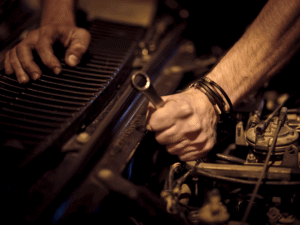

When most vehicle owners think about car detailing, they focus on the areas they see every day. A clean exterior, spotless windows, polished wheels, and a fresh interior can make a vehicle look dramatically better. However, there is another area that deserves attention even though it stays under the hood: the engine bay.
Over time, engine compartments can collect oil residue, dust, grease, road grime, leaves, and other contaminants. In Texas, frequent driving, heat, dust, and everyday road conditions can contribute to buildup. While a dirty engine bay does not necessarily mean that a vehicle has a mechanical problem, excessive grime can make the compartment look neglected and make visual inspections more difficult.
That is where professional engine degreasing can become a useful part of an overall vehicle-care routine.
For vehicle owners who need fast attention to a heavily contaminated engine compartment, Local Engine Degreasing Services in Irving TX can provide a practical way to restore cleanliness while keeping the vehicle’s overall appearance in better condition.
What Exactly Is Engine Degreasing?
Engine degreasing is a specialized cleaning process designed to remove grease, oily residue, dirt, and accumulated grime from accessible areas of the engine compartment.
Unlike a basic exterior car wash, engine degreasing requires greater attention to the components underneath the hood. A professional detailer should evaluate the condition of the engine bay before choosing cleaning products and techniques.
The process may involve:
-
Removing loose dirt and debris
-
Applying an appropriate degreasing product
-
Agitating heavily contaminated areas
-
Cleaning accessible surfaces
-
Wiping down components carefully
-
Removing remaining residue
-
Drying the engine compartment
-
Applying suitable finishing products when appropriate
The objective is not simply to make the engine bay wet. It is to carefully remove contamination while minimizing unnecessary exposure of sensitive components to moisture and cleaning chemicals.
Why Does an Engine Bay Become So Dirty?
Engine compartments naturally collect contamination over time.
Dust can enter through openings around the hood and surrounding areas. Road grime may accumulate during everyday driving, while small leaves and debris can become trapped in corners.
Oil and other fluid residue can also create sticky surfaces that attract additional dirt. If a vehicle has experienced a leak or spill, the buildup may become considerably heavier.
Even vehicles that receive regular exterior washes can have dirty engine bays because many conventional car washes focus primarily on the visible exterior.
How Can Texas Driving Conditions Affect Engine Bay Cleanliness?
Driving conditions in Irving can expose vehicles to dust, road debris, traffic pollution, and changing weather conditions.
High temperatures can also make accumulated grime more noticeable. When oily residue mixes with dust and dirt, it can create a stubborn layer that ordinary wiping may not remove effectively.
This does not mean every vehicle needs frequent engine degreasing. Instead, owners should evaluate the condition of the engine compartment and consider professional cleaning when significant buildup becomes visible.
What Are the Benefits of Professional Engine Degreasing?
A cleaner engine bay can provide several practical and cosmetic benefits.
Can It Improve the Appearance of the Vehicle?
Yes. Even if the engine compartment is hidden most of the time, a clean bay can make a vehicle feel more thoroughly maintained.
This can be particularly valuable when preparing a vehicle for sale, an automotive photo session, a car gathering, or simply improving its overall presentation.
Can It Make Visual Inspections Easier?
A heavily contaminated engine compartment can make it harder to notice fresh fluid residue or other visible changes.
Cleaning does not replace a mechanic’s inspection, but reducing excessive grime can make routine visual checks more straightforward.
Can It Remove Stubborn Grease?
Professional degreasing products and detailing tools can be more effective against oily buildup than ordinary household cleaning products.
A trained detailer can also concentrate on heavily contaminated areas instead of treating every component in exactly the same way.
Is Engine Degreasing the Same as Pressure Washing an Engine?
No. These approaches should not be treated as interchangeable.
An engine compartment contains electrical connections, sensors, wiring, connectors, plastic components, and other parts that require consideration during cleaning.
Simply directing high-pressure water throughout the engine bay can introduce unnecessary risks. Professional detailing generally focuses on controlled cleaning and appropriate drying rather than using excessive pressure everywhere.
The exact method should depend on the vehicle, its condition, and the areas being cleaned.
When Should You Consider Professional Engine Degreasing?
There is no universal schedule that every vehicle needs to follow. Instead, engine degreasing is often most useful when visible contamination has accumulated.
You might consider the service when:
-
The engine bay has heavy grease buildup
-
Oil residue is visible on accessible surfaces
-
Dust and grime have accumulated for a long period
-
Leaves and debris are collecting under the hood
-
You recently completed mechanical work
-
You are preparing to sell your vehicle
-
You want a more complete detailing service
-
The engine compartment looks significantly dirtier than the rest of the vehicle
If you notice a new fluid leak, however, cleaning should not be used to hide the problem. The source should be investigated and repaired as necessary.
Why Should You Avoid Cleaning a Heavily Greased Engine Bay Yourself?
DIY cleaning can be appropriate for basic maintenance in some situations, but aggressive engine cleaning requires knowledge and caution.
Many vehicle owners do not know which components should be protected from excessive moisture or which cleaning chemicals are appropriate for specific materials.
Using the wrong degreaser can potentially damage certain plastics, rubber components, finishes, or protective coatings. Excessive water can also create problems around sensitive electrical areas.
A professional detailer can assess the compartment before starting and adjust the cleaning process accordingly.
What Happens During a Professional Engine Degreasing Appointment?
A quality service should begin with an assessment.
The detailer can examine the engine compartment and identify areas with heavy grease, dirt, or debris. Loose contamination may be removed first so that the cleaning solution can work more effectively.
Next, appropriate products can be applied to suitable areas. Heavier buildup may require gentle agitation with brushes or specialized detailing tools.
After the grime has been loosened, the surfaces can be carefully cleaned and wiped. Proper drying is an important part of the process because leaving unnecessary moisture behind is not the goal.
The final appearance should be cleaner and more presentable without relying on excessive chemicals or aggressive cleaning methods.
Can Engine Degreasing Help Before Selling a Car?
A clean vehicle generally creates a better overall presentation, and that includes areas underneath the hood.
When a potential buyer looks at a vehicle, the engine compartment may provide visual clues about how the vehicle has been cared for. A heavily dirty compartment can look neglected even when the vehicle is mechanically sound.
Professional cleaning can improve presentation, but sellers should always be honest about the vehicle’s mechanical condition. Cleaning should enhance appearance rather than conceal leaks, damage, or other problems.
Should Engine Degreasing Be Part of a Full Detailing Service?
For many vehicle owners, combining engine bay cleaning with other detailing services can create a more complete result.
Interior detailing can address dust, stains, odors, upholstery, carpets, and other cabin surfaces. Exterior detailing can focus on paint, wheels, tires, glass, and other visible areas.
Adding engine bay degreasing gives attention to an area that is frequently overlooked.
A complete detailing routine does not necessarily need to be performed every time the vehicle is cleaned. Services can be selected based on the vehicle’s condition and the owner’s priorities.
How Often Should You Degrease Your Engine Bay?
The right frequency depends on driving conditions, vehicle usage, and how quickly contamination accumulates.
A vehicle that is mostly driven in clean conditions may not require frequent engine degreasing. A daily driver exposed to dust, road grime, or frequent travel may eventually need more attention.
Rather than following an arbitrary schedule, inspect the engine bay periodically. If significant buildup becomes visible, professional cleaning may be appropriate.
Routine visual checks can also help you notice changes in the compartment before they become difficult to distinguish from old grime.
What Should You Tell a Detailer Before Engine Cleaning?
Communication is especially important when cleaning under the hood.
Tell the detailer if you are aware of:
-
Recent engine repairs
-
Fluid leaks
-
Electrical problems
-
Aftermarket components
-
Recent maintenance
-
Damaged covers or hoses
-
Other unusual conditions
This information can help the detailer understand the vehicle before beginning the cleaning process.
If there is an active mechanical issue, address it with a qualified automotive professional rather than relying on detailing to solve it.
How Can Irving Drivers Maintain a Cleaner Engine Bay?
Professional degreasing can remove existing buildup, but simple habits can help keep the engine compartment cleaner afterward.
Check under the hood periodically for leaves and loose debris. Address fluid leaks promptly instead of allowing residue to accumulate. Keep up with routine maintenance and avoid using harsh household chemicals on engine components.
When the engine bay eventually becomes heavily contaminated, professional detailing can restore a cleaner baseline.
The key is consistency rather than excessive cleaning.
What Makes a Good Local Engine Degreasing Service?
Choosing a detailing provider should involve more than looking for the cheapest cleaning option.
Look for a service that understands engine compartments and uses an appropriate, controlled cleaning process. Experience, attention to detail, communication, and proper equipment are all important considerations.
It is also helpful to ask what the service actually includes. Some providers may offer a basic wipe-down, while others may provide more comprehensive degreasing and engine bay detailing.
Understanding the scope of work before scheduling helps ensure that the service matches your expectations.
Is Engine Degreasing Worth Adding to Your Vehicle Care Routine?
For a vehicle with noticeable grease, oil residue, dust, and accumulated grime, professional engine degreasing can be a worthwhile addition to regular detailing.
It can improve the appearance of the engine compartment, make routine visual checks easier, and give the vehicle a more thoroughly maintained appearance.
The most important consideration is using a cleaning method that respects the vehicle’s components. Engine bays should not be treated exactly like exterior paint or wheels.
For Irving vehicle owners, keeping the engine compartment reasonably clean can be a simple way to take a more complete approach to vehicle care. Whether you are preparing for a sale, refreshing an older vehicle, or simply dealing with years of accumulated grime, professional degreasing can help restore a cleaner and more presentable engine bay.
Created by: Rank Business Listings