
The liver is one of the most vital organs in your body, yet many people are unsure exactly where it is located. Understanding its position and functions is crucial for maintaining overall health.
In this article, you will learn where the liver is located in the body, how it works, its major functions, common issues, and tips for keeping it healthy. By the end, you will have a clear, factual understanding of this essential organ.
Where Is the Liver Located in the Body?
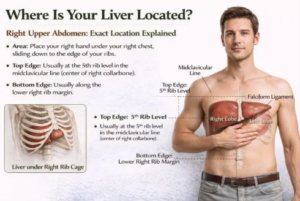
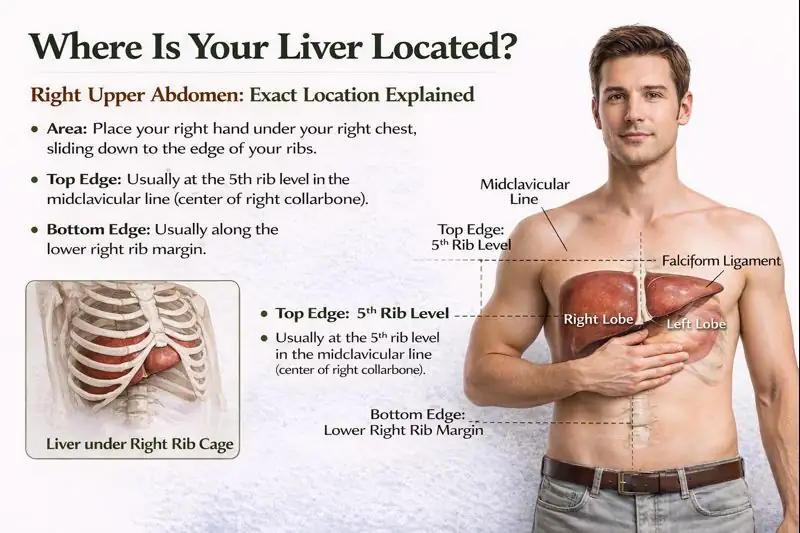
The liver is located in the upper right portion of your abdomen, just beneath your diaphragm and above your stomach. It extends across the midline to the left upper abdomen, making it the largest internal organ in your body.
Protected partially by the rib cage, the liver sits behind your right lower ribs. This strategic position helps safeguard it from injuries while allowing it to interact efficiently with other digestive organs.
Structure and Lobes of the Liver
Your liver is divided into two main lobes: the larger right lobe and the smaller left lobe. Each lobe performs distinct yet interconnected functions. Internally, the liver is made up of thousands of lobules, which are functional units that process blood and nutrients.
These lobules contain specialized cells called hepatocytes that perform detoxification, protein synthesis, and bile production. The liver’s structure allows it to filter blood from your digestive tract before passing it to the rest of your body.
Key Functions of the Liver
The liver plays several critical roles in your body, including:
Detoxification
Your liver removes harmful substances like alcohol, drugs, and metabolic waste from your blood. This process keeps your body free from toxins and supports overall health.
Metabolism Regulation
It regulates carbohydrate, protein, and fat metabolism. The liver stores glycogen for energy and converts nutrients into forms your body can use efficiently.
Bile Production
The liver produces bile, a digestive fluid that helps break down fats in your small intestine. Bile also aids in the absorption of fat-soluble vitamins.
Blood Clotting
The liver synthesizes essential clotting factors, which help prevent excessive bleeding when you are injured.
Immune Support
It acts as a filter for pathogens in your blood, supporting your immune system and helping fight infections.
How the Liver Interacts With Other Organs
Your liver works closely with your gallbladder, pancreas, and intestines. Bile produced by the liver is stored in the gallbladder and released into the small intestine to aid digestion. The liver also receives nutrients directly from your intestines via the portal vein, making it a central hub for nutrient processing.
Common Liver Issues
Several conditions can affect your liver:
- Fatty liver disease: Excess fat buildup, often caused by poor diet or obesity.
- Hepatitis: Inflammation due to viral infections or autoimmune responses.
- Cirrhosis: Scarring from chronic liver damage, often linked to alcohol use.
- Liver cancer: Malignant growths that disrupt liver function.
Early detection and lifestyle changes are essential to prevent these conditions.
Signs of a Healthy vs. Unhealthy Liver
You can often identify liver issues by paying attention to certain signs:
- Healthy liver: Normal digestion, balanced energy levels, clear skin, and minimal bloating.
- Unhealthy liver: Jaundice (yellow skin or eyes), fatigue, abdominal swelling, dark urine, and unexplained weight loss.
Regular checkups, blood tests, and imaging can help monitor liver health effectively.
Tips for Maintaining a Healthy Liver
Maintaining liver health requires simple lifestyle choices:
- Eat a balanced diet rich in fruits, vegetables, and lean proteins.
- Limit alcohol intake and avoid smoking.
- Exercise regularly to maintain a healthy weight.
- Stay hydrated and avoid excessive sugar and processed foods.
- Get vaccinated against hepatitis A and B if recommended.
When to See a Doctor
If you notice persistent fatigue, abdominal pain, jaundice, or unexplained weight changes, consult a healthcare professional. Early intervention can prevent serious complications.
FAQ – Liver Location and Function
- Where exactly is the liver located in the body?
It is in the upper right abdomen, below the diaphragm, and partially protected by the ribs. - Can the liver be felt externally?
Yes, sometimes under the right ribs, but only slightly if enlarged. - Does liver size vary from person to person?
Yes, age, sex, and health can affect liver size. - How does the liver aid digestion?
It produces bile, which breaks down fats and aids nutrient absorption. - Can the liver regenerate itself?
Yes, the liver has remarkable regenerative abilities after injury. - What foods are best for liver health?
Leafy greens, fruits, lean proteins, nuts, and whole grains support liver function. - Does alcohol affect liver location?
Alcohol doesn’t change its location but can damage liver cells. - How does the liver filter toxins?
Hepatocytes in the liver process and neutralize toxins in the blood. - Can liver disease be prevented?
Yes, through a healthy lifestyle, vaccinations, and regular checkups. - Is liver pain always on the right side?
Typically yes, but referred pain can occur elsewhere in the abdomen.