

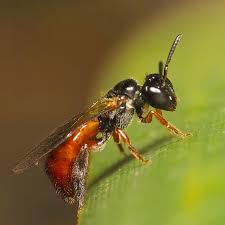

Seeing bees flying around your garden is perfectly normal, especially during Melbourne’s spring and summer months. As important pollinators, bees help flowers, fruit trees, and native plants thrive. However, when they begin building nests on or around your home, they can become a concern for your family’s safety and your property’s maintenance.
Many homeowners are surprised to learn that bees often choose hidden locations that provide warmth, shelter, and protection from predators. Understanding where bees commonly nest can help you identify problems early and arrange a professional bees inspection Melbourne before a small issue develops into a larger one.
Why Do Bees Nest Around Homes?
Bees are constantly searching for safe places to establish a nest.
An ideal nesting location usually offers:
- Protection from rain and wind
- Warm temperatures
- Easy access to flowering plants
- Small entry points
- Minimal disturbance
Many residential properties naturally provide these conditions, making them attractive nesting sites.
Wall Cavities
Wall cavities are one of the most common places for bees to establish nests.
Small gaps in brickwork or cladding allow bees to enter hidden spaces where they are protected from weather and predators.
Signs of wall nesting include:
- Bees repeatedly entering the same hole
- Buzzing sounds inside walls
- Increased bee activity around one section of the house
A professional bees inspection Melbourne can identify hidden nests without causing unnecessary damage to your home.
Roof Spaces and Eaves
Roof cavities offer warmth, shelter, and limited disturbance, making them popular nesting locations.
Bees may enter through:
- Broken roof tiles
- Roof vents
- Gaps beneath eaves
- Fascia boards
- Small openings around pipes
Because these nests are out of sight, homeowners often don’t notice them until bee activity increases significantly.
Timber Structures
Many native bee species prefer timber because it provides natural nesting opportunities.
Common timber structures include:
- Pergolas
- Decking
- Wooden fences
- Garden sleepers
- Outdoor furniture
- Sheds
Older or untreated timber is particularly attractive to solitary native bees.
Tree Hollows
Tree hollows are natural nesting sites for many Australian bee species.
Large mature trees often contain protected cavities that provide ideal conditions for nesting.
Although tree-nesting bees are usually not a problem, professional advice may be needed if the nest is close to walkways or outdoor entertaining areas.
Garden Sheds and Garages
Sheds and garages often provide quiet, sheltered spaces where bees can establish nests.
Areas worth checking include:
- Roof beams
- Wall cavities
- Stored timber
- Shelving
- Ceiling corners
Routine inspections can help detect early nesting activity.
Brickwork and Small Structural Gaps
Even tiny openings can provide access to suitable nesting spaces.
Common entry points include:
- Cracked mortar
- Expansion joints
- Pipe penetrations
- Window frames
- Air vents
- Utility openings
Sealing unnecessary gaps helps reduce future nesting opportunities.
Underground Nesting Sites
Some native Australian bees prefer nesting in the ground rather than inside buildings.
They may establish nests in:
- Bare garden soil
- Lawns
- Garden beds
- Sandy areas
- Beneath paving edges
These nests often appear as small holes with increased bee activity nearby.
Understanding Resin Bees
Resin bees are native Australian pollinators that use sticky plant resin to build and protect their nests.
They commonly choose:
- Small timber cracks
- Wall cavities
- Existing insect tunnels
- Garden structures
Although they are generally gentle, nesting near entrances or outdoor living areas may require professional resin bees removal Melbourne services to assess the situation and recommend environmentally responsible management.
Signs Bees Have Built a Nest
You may have an active nest if you notice:
- Bees flying in and out of one location repeatedly
- Constant bee traffic around walls or roofs
- Buzzing sounds from inside structures
- Groups of bees gathering near entry points
- Activity continuing over several days
Early identification allows technicians to manage the situation before the colony becomes larger.
Bee Activity in Moonee Ponds and Campbellfield
Different Melbourne suburbs offer different nesting environments.
Residents seeking bees removal Moonee Ponds often discover bee nests around established gardens, roof cavities, older homes, pergolas, and timber fencing.
Similarly, homeowners requiring bee removal Campbellfield frequently experience bee activity around warehouses, sheds, roof spaces, landscaped gardens, and industrial buildings. Local experience helps technicians locate common nesting sites quickly and recommend effective long-term solutions.
Why You Shouldn’t Attempt DIY Nest Removal
Attempting to remove a bee nest yourself can increase safety risks and often fails to solve the problem.
DIY removal may:
- Disturb the colony
- Increase the chance of bee stings
- Harm protected native bee species
- Leave hidden nesting material behind
- Miss concealed entry points
Professional inspections provide a safer and more effective solution.
Preventing Bees from Nesting Around Your Property
Simple maintenance can reduce the likelihood of future bee activity.
Helpful prevention tips include:
- Seal unnecessary wall and roof gaps.
- Repair damaged timber.
- Remove unused timber piles.
- Maintain gardens regularly.
- Inspect sheds and roof spaces.
- Arrange routine bees inspection Melbourne services.
Preventative maintenance makes your property less attractive to nesting bees.
When Should You Arrange a Professional Inspection?
Consider booking a professional inspection if:
- Bees repeatedly enter the same gap.
- You hear buzzing inside walls.
- A swarm appears near your home.
- Bee activity increases suddenly.
- The nest is located near doors or outdoor living areas.
Early inspections help prevent larger infestations while protecting beneficial pollinators.
Key Takeaways
- Bees commonly nest in wall cavities, roof spaces, timber structures, tree hollows, and underground areas.
- Hidden nests often go unnoticed until bee activity increases.
- Professional bees inspection Melbourne services accurately locate nests and identify bee species.
- Resin bees removal Melbourne services provide environmentally responsible management where necessary.
- Regular maintenance helps reduce future nesting opportunities.
- Early inspections provide the safest and most effective long-term solution.
Conclusion
Melbourne homes provide many sheltered locations that can attract nesting bees. By understanding where bees commonly build nests and recognising the early warning signs, homeowners can take action before the problem grows.
Whether you require a comprehensive bees inspection Melbourne, professional resin bees removal Melbourne, reliable bees removal Moonee Ponds, or trusted bee removal Campbellfield, experienced bee specialists can provide safe, effective, and environmentally responsible solutions tailored to your property’s needs.


