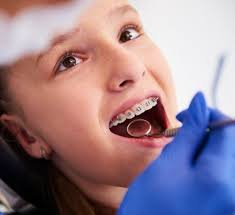

Correcting misaligned teeth is about more than just aesthetics—it affects oral health, bite function, and overall confidence. Modern orthodontics offers multiple options, with Invisalign and traditional braces being two of the most popular choices. Understanding the differences, benefits, and limitations of each can help you or your child make an informed decision for effective treatment.
Understanding the Options
Traditional Braces
Traditional braces use metal or ceramic brackets bonded to the teeth, connected by wires and sometimes rubber bands. Over time, these components apply constant pressure to shift teeth into the desired position. Braces are versatile and can address nearly all orthodontic issues, from mild spacing problems to severe bite misalignments.
Invisalign
Invisalign uses a series of clear, removable aligners that gradually move teeth into position. Aligners are custom-made for each patient using 3D scans or impressions, allowing precise control over tooth movement. Because they are nearly invisible, Invisalign appeals to adults and teens seeking a discreet option.
Key Differences Between Invisalign and Traditional Braces
| Feature | Traditional Braces | Invisalign |
|---|---|---|
| Appearance | Metal or ceramic brackets and wires, visible | Clear, nearly invisible aligners |
| Removability | Fixed; cannot remove until treatment ends | Removable for eating, brushing, and flossing |
| Comfort | Brackets may cause irritation to lips/cheeks | Smooth aligners reduce soft tissue irritation |
| Treatment Scope | Can correct severe malocclusion, rotated teeth, and bite issues | Best for mild to moderate misalignment and spacing problems |
| Oral Hygiene | Requires careful brushing/flossing around brackets | Easier to maintain normal oral hygiene because aligners are removed |
| Dietary Restrictions | Avoid hard, sticky foods | No restrictions; aligners removed for meals |
| Compliance | Passive; works continuously | Requires 20–22 hours of wear per day for effectiveness |
| Adjustment Frequency | Visits every 4–6 weeks for wire adjustments | Typically every 6–8 weeks to receive new aligners |
When to Choose Traditional Braces
Traditional braces are generally the preferred choice when:
-
Severe Malocclusion
Overbites, underbites, crossbites, and rotated teeth often require the precise control that braces provide. -
Complex Tooth Movement
Braces can move teeth in multiple directions simultaneously, making them ideal for complicated orthodontic cases. -
Compliance Concerns
Because braces are fixed, patients do not need to remember to wear them, making them suitable for younger children or those less likely to follow instructions. -
Cost Considerations
Traditional braces are often more affordable than Invisalign, especially for comprehensive treatment.
When to Consider Invisalign
Invisalign may be ideal for patients who:
-
Prioritize Aesthetics
Clear aligners are discreet, making them popular among adults and teens who want an unobtrusive option. -
Have Mild to Moderate Alignment Issues
Minor crowding, spacing, or bite adjustments can often be effectively corrected with Invisalign. -
Value Removability
Aligners can be removed for eating, brushing, and special occasions, providing convenience and improved oral hygiene. -
Are Motivated and Responsible
Invisalign requires wearing aligners 20–22 hours per day and following a treatment schedule closely for best results.
Factors to Consider Before Deciding
-
Age and Growth Stage: Braces are often recommended for younger patients whose jaws are still developing. Invisalign can work for teens and adults but may be less effective for significant jaw growth or severe bite issues.
-
Lifestyle Needs: Active individuals, athletes, or those with musical instruments may prefer removable aligners for comfort and flexibility.
-
Treatment Duration: Both options can provide similar overall treatment times, but complex cases may take longer with Invisalign.
-
Follow-Up Visits: Braces require periodic adjustments, while Invisalign aligners are replaced at home with fewer office visits, though monitoring is still necessary.
Combining Treatments
In some cases, orthodontists may use a combination approach: starting with braces for major corrections and finishing with Invisalign for cosmetic fine-tuning. This hybrid approach allows patients to benefit from the strengths of both methods.
The Bottom Line
Both Invisalign and traditional braces can provide excellent results, but the right choice depends on the complexity of the case, patient lifestyle, and personal preferences. Traditional braces remain the most versatile solution for severe or complicated orthodontic issues, while Invisalign offers discretion and convenience for mild to moderate cases.
Consulting with a licensed orthodontist Fort Mill SC is the best way to determine which method aligns with your dental needs, goals, and daily routine. With the right treatment plan, you can achieve a healthy, aligned smile that lasts a lifetime.