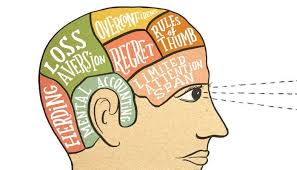

While classical economics assumes that people make rational decisions, real-life behavior often proves otherwise. This is where behavioural economics plays a transformative role. By understanding how people actually think, feel, and make decisions, businesses, leaders, and individuals can achieve better outcomes and sustainable success.
Behavioural economics blends psychology with economics to explain why people sometimes make irrational choices. It studies cognitive biases, emotional influences, social pressures, and habits that shape decision-making. When organizations use these insights effectively, they can guide behavior in ways that improve productivity, customer satisfaction, and overall performance.
Understanding Human Decision-Making
Traditional models suggest that people evaluate all available options and choose what benefits them the most. However, behavioural economics reveals that decisions are often influenced by shortcuts in thinking, known as heuristics, and biases such as loss aversion, anchoring, and social proof.
For example, people tend to fear losses more than they value gains. A business that frames a message as “Don’t miss out on savings” often performs better than one promoting “Gain extra savings.” Understanding such patterns helps organizations communicate more effectively and influence positive action.
Nudging Towards Better Choices
One of the most powerful concepts in behavioural economics is the nudge — a subtle design change that encourages better decisions without restricting choice. Governments, companies, and institutions use nudges to improve outcomes in health, finance, and productivity.
Simple examples include:
-
Automatically enrolling employees in retirement savings plans
-
Placing healthy food options at eye level in cafeterias
-
Sending reminders for bill payments or appointments
These small adjustments significantly improve compliance and participation rates. When applied thoughtfully, nudging helps individuals make decisions aligned with their long-term well-being.
Enhancing Customer Experience
Businesses that understand behavioural insights can design experiences that resonate deeply with customers. Consumers do not always choose products based on price or features alone; emotions, trust, and perception heavily influence buying decisions.
Key behavioural strategies include:
-
Social proof: Showing reviews and testimonials increases trust.
-
Scarcity effect: Limited-time offers create urgency.
-
Choice simplification: Too many options can overwhelm customers, reducing conversions.
By aligning marketing strategies with human psychology, companies can create meaningful connections and drive loyalty.
Improving Workplace Productivity
Behavioural economics also helps improve workplace performance. Employees are motivated not only by salary but also by recognition, fairness, and a sense of purpose.
Organizations that succeed often:
-
Recognize achievements publicly
-
Provide clear goals and feedback
-
Create environments that reduce decision fatigue
-
Encourage collaboration and social belonging
When employees feel valued and supported, engagement rises, and productivity naturally improves.
Building Better Financial Habits
Financial decision-making is another area where behavioural economics proves invaluable. Many people struggle with saving, budgeting, and managing debt due to present bias — the tendency to prioritize immediate gratification over future benefits.
Behaviourally informed solutions include:
-
Automatic savings deductions
-
Visual progress trackers for financial goals
-
Commitment devices that restrict impulsive spending
These tools help individuals build sustainable habits and long-term financial stability.
Behavioural Economics in Leadership
Effective leaders understand that people are not machines driven purely by logic. They recognize emotions, motivation, and social dynamics within teams. Behavioural insights help leaders communicate more effectively, inspire trust, and foster cooperation.
Leaders who apply behavioural principles:
-
Frame goals in motivating ways
-
Encourage ownership and accountability
-
Promote fairness and transparency
-
Build a culture of trust and shared purpose
Such leadership creates resilient organizations where individuals thrive.
The Path to Sustainable Success
When behavioural economics leads decision-making, success becomes more predictable and sustainable. Instead of forcing change through rigid rules, it works with human nature, making improvement feel natural and achievable.
Organizations that integrate behavioural insights gain advantages such as:
-
Higher customer engagement
-
Better employee satisfaction
-
Increased efficiency and productivity
-
Stronger brand loyalty
-
Improved decision-making processes
Conclusion
Success is not achieved by numbers alone; it is shaped by human behavior. Behavioural economics provides a powerful lens to understand why people act the way they do and how small, thoughtful changes can lead to meaningful improvements.
When businesses, leaders, and individuals align strategies with real human behavior rather than idealized assumptions, progress accelerates. By embracing behavioural insights, we create systems that support smarter choices, stronger relationships, and sustainable growth.