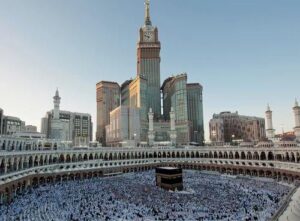

Umrah, one of the most revered acts of worship in Islam, draws millions of Muslims to the sacred cities of Mecca and Medina each year. Unlike Hajj, which has specific dates, Umrah can be performed anytime during the Islamic year. However, organizing a trip for Umrah can be complex, especially with so many options available for pilgrims to choose from. One of the most common ways to travel for Umrah is through an Umrah package, offered by travel agencies. These packages vary greatly in terms of services, amenities, and prices, leading to confusion among potential pilgrims.
To clear up any uncertainties, it’s essential to understand what is typically included (and excluded) in most Umrah packages. A transparent breakdown can help you make an informed decision and avoid unexpected surprises along the way. This guide will walk you through the key elements commonly found in Umrah packages, helping you navigate through the offerings with clarity and confidence.
What’s Included in Most Umrah Packages?
- Visa Processing
One of the fundamental inclusions in any Umrah package is visa processing. A valid Umrah visa is essential to perform the pilgrimage. Travel agencies often handle the entire visa process for pilgrims, including the paperwork, application, and submission to the relevant authorities. Some packages even offer expedited visa services to ensure timely approvals, although this might come with an additional cost. - Flights
Flights to Saudi Arabia are typically included in most Umrah packages. Depending on the package type, the class of travel may vary. Budget packages may offer economy class flights, while premium packages might include business or first-class options. Some packages may allow travelers to select their preferred airline or offer flights from specific departure cities. - Accommodation
Accommodation is one of the most significant components of an Umrah package. The closer the hotel is to the Haram (the sacred mosque in Mecca) or Masjid al-Nabawi (the mosque in Medina), the higher the cost of the package. Typically, packages offer hotels ranging from budget to luxury, with varying distances from the holy sites. Some of the commonly included options are:- Standard Hotels: Located within a reasonable distance from the Haram and Masjid al-Nabawi, offering basic amenities.
- Luxury Hotels: High-end hotels with premium facilities, often within walking distance to the mosques.
Some packages may also include meals at the hotel or provide meal vouchers for nearby restaurants.
- Transportation
Transportation between Mecca, Medina, and other key locations is often covered. This could involve either group transportation via buses or private cars, depending on the package’s cost and level of luxury. For those seeking a higher level of comfort, private transportation is available in premium packages. - Guided Tours
Many Umrah packages include guided tours to historical Islamic sites, such as the Cave of Hira, the Mount of Uhud, and the Mina area, among others. These tours are conducted by experienced guides who provide insights into the significance of each location. Having a knowledgeable guide can greatly enhance your understanding of the pilgrimage’s history and context. - Ziyarah (Religious Visits)
Ziyarah is an important aspect of the Umrah experience, allowing pilgrims to visit sacred Islamic sites such as the graves of the Prophet Muhammad (PBUH), his companions, and other key figures in Islam. Many Umrah packages include Ziyarah tours to Medina and other notable locations that are integral to the pilgrimage. - Group Assistance
If you choose a group-based package, many agencies provide dedicated staff or a guide to help pilgrims throughout their journey. This assistance includes helping with religious rituals, providing guidance on prayer, and ensuring that the journey remains smooth and stress-free. Group packages can be especially helpful for first-time pilgrims or those who prefer traveling with a support system. - Travel Insurance
Some Umrah packages, especially higher-end ones, may include travel insurance. This insurance covers a variety of situations such as medical emergencies, trip cancellations, or lost luggage. While not all packages provide insurance, it is highly advisable to opt for one that includes it, as it offers peace of mind during travel.
What’s Not Included in Most Umrah Packages?
- Personal Expenses
Personal expenses, including shopping, meals outside of the provided options, or any entertainment outside the planned activities, are generally not covered. Pilgrims should budget for these expenses separately, as they can vary widely depending on personal preferences and lifestyle. - Meals (in some packages)
While some Umrah packages include meals at the hotel, many others do not. Budget packages, in particular, might not provide meals, or may only offer a limited selection, leaving pilgrims to manage their meals independently. It’s important to check the specifics of the package you choose and plan accordingly for food and drink expenses. - Additional Services
Optional services such as laundry, room service, internet access, and phone calls are typically not included. Premium packages might offer some of these services at additional costs, but for the most part, these extras fall outside the scope of the standard Umrah package. - Airport Transfers (in some packages)
Although transportation between cities is usually included, airport transfers might not be covered in all packages. Some agencies charge an extra fee for airport pickup and drop-off. Therefore, it’s important to clarify this point in advance to avoid last-minute surprises. - Extra Baggage Fees
While flights are included in many packages, excess baggage fees are often not covered. Pilgrims are responsible for paying for additional baggage beyond the standard allowance, which could add to the overall cost of the trip. - Optional Religious Items and Ritual Supplies
Ritual supplies such as Ihram clothing, prayer mats, and other religious items are often not included in the package. Many travel agencies will offer these items for sale or rent, but they are not considered part of the standard Umrah package. - Visas for Accompanying Family Members (in some cases)
If you plan to travel with family members, it’s important to note that some agencies might charge additional fees for family visas. The cost of the visa can depend on the number of people traveling, the age of minors, or the type of visa required for each traveler. - Excessive Luxuries
Premium packages can include luxurious amenities like spa treatments, gourmet dining, and high-end shopping experiences. However, such luxuries are often not part of standard packages, and it is important to understand the level of service that comes with each tier of package.
Making the Right Choice
When choosing an Umrah package, it’s essential to assess both what is included and what is not. Carefully reviewing the package details will help you avoid any surprises and ensure that your pilgrimage meets your needs and expectations. Here are a few tips to help you choose wisely:
- Determine Your Budget: Understand how much you are willing to spend and assess what the package offers at that price point. Sometimes, spending a little more can make a big difference in terms of comfort and convenience.
- Clarify Inclusions and Exclusions: Ask the travel agency for a clear breakdown of what’s included and what’s not. Inquire about hidden charges, such as airport transfer fees, meal costs, or optional tours.
- Consider Your Preferences: If you’re a first-time pilgrim, you may benefit from a package that offers group assistance and guided tours. For those with previous Umrah experience, a more flexible package might be preferable.
- Look for Transparent Providers: Choose a travel agency that offers transparency in its offerings and provides you with all the necessary details upfront. Avoid agencies that are vague about their services.
Conclusion
A well-chosen Umrah package can make your journey smoother and more meaningful, but understanding what’s included and what’s not is essential for a hassle-free experience. Always remember to read the fine print, ask questions, and plan ahead to ensure that your pilgrimage is both spiritually enriching and logistically smooth. With a transparent understanding of the services offered, you can focus entirely on the sacredness of your Umrah journey without worrying about unexpected costs or surprises along the way.