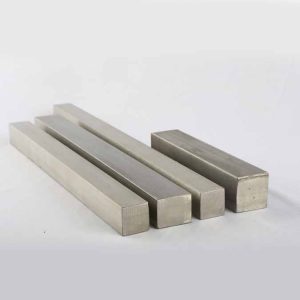

Choosing a flat bar supplier is one of those decisions that does not get much attention until something goes wrong. The order arrives, the material looks fine, production starts and then a problem surfaces that traces back to the supplier. Dimensional inconsistency, grade mismatch, surface condition that does not meet the application requirement. By that point, the cost of fixing it is always higher than the cost of choosing more carefully at the start.
So what should buyers actually be looking for when evaluating a stainless steel company in India for a flat bar?
Grade Knowledge and Range
The first thing worth checking is whether the supplier genuinely understands grades or simply stocks a limited range and fits every enquiry into what they have available. Flat bars go into a wide variety of applications like structural frameworks, food processing equipment, architectural work, marine installations, and each of these installations has different grade requirements.
A supplier who can discuss grade selection based on the actual application environment, rather than defaulting to the most common option, is a more reliable partner. Grade 304 covers a lot of ground, but a coastal installation needs 316, and a hygiene critical food processing line may need 316L with a specific surface finish. That distinction matters, and a good supplier should raise it without being prompted.
Dimensional Consistency Across Batches
For fabrication and machining applications, dimensional consistency is not a minor detail. A flat bar that varies in width or thickness across its length, or that differs from the previous batch, creates fitting and machining problems that slow down production.
This is where the manufacturing process behind the supplier matters. A stainless steel company in India that controls its own finishing, heat treatment, and inspection processes is in a much better position to deliver consistent dimensions batch after batch than one that sources from multiple mills and passes the material on without adding process control.
Asking a supplier about their dimensional tolerance standards and how they verify them before dispatch is a reasonable question. How they answer tells you a lot about how seriously they take it.
Surface Finish Capability
Not all flat bar applications need the same surface finish. A structural support does not need the same finish as a flat bar going into a food processing line or a visible architectural application. The problem arises when a supplier can only offer one finish standard regardless of what the application demands.
Suppliers who offer stainless steel flat bars across multiple finish options and who understand which finish is appropriate for which application, are better equipped to serve buyers across different industries. Surface finish affects hygiene performance, corrosion resistance in some environments, and appearance in visible applications. It is worth specifying clearly and confirming the supplier can actually deliver it.
Documentation and Traceability
For buyers in regulated industries, material documentation is not optional. Material test certificates, chemical composition reports, and batch traceability are baseline requirements in sectors like oil and gas, pharmaceuticals, and food processing.
A supplier who provides complete documentation as a matter of course, rather than as a special request, has built traceability into their process. That makes compliance easier and removes uncertainty from the supply chain.
Final Thought
The right flat bar supplier is not just one who has the product in stock. It is one who understands the application, maintains consistent quality across orders, and backs everything up with documentation that holds up to scrutiny. Companies like Viraj Profiles Pvt. Ltd. have built their supply capability around exactly these requirements, serving industries across India and international markets with stainless steel flat bars across grades, dimensions, and finish standards.