
Varicocele embolization has become a widely used minimally invasive treatment for men experiencing pain, discomfort, or fertility concerns related to varicoceles. Compared with open surgery, this procedure often offers a shorter recovery period and less postoperative discomfort. While many patients return to daily activities relatively quickly, understanding the healing process can help set realistic expectations and encourage a successful outcome.
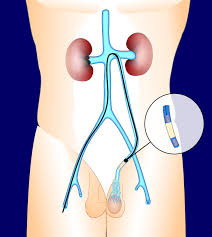
A varicocele occurs when veins within the scrotum become enlarged due to poor blood flow. Similar to varicose veins in the legs, these enlarged veins can cause aching pain, swelling, and in some cases reduced fertility. Varicocele embolization addresses the problem by blocking abnormal veins, allowing blood to be redirected through healthier pathways and reducing pressure within the affected area.
The procedure is typically performed by an interventional radiologist using image-guided technology. A small catheter is inserted through a vein, usually in the groin or neck, and guided to the affected vessels. Tiny coils or embolic agents are then placed to close off the abnormal veins. Because no large surgical incision is required, patients often experience faster healing than with conventional surgery.
Immediately after the procedure, patients are usually monitored for a short period before being discharged. Mild soreness or bruising at the catheter insertion site is common and generally resolves within a few days. Some individuals also notice temporary discomfort in the treated area as the veins begin to close and blood flow adjusts.
During the first 24 to 48 hours, healthcare providers often recommend resting and avoiding strenuous activities. Light walking is usually encouraged because gentle movement supports circulation without placing excessive strain on the body. Most patients can resume desk work and routine daily tasks within a few days, depending on their physician’s advice and individual recovery progress.
Pain after varicocele embolization is typically mild and manageable with prescribed or over-the-counter medications recommended by a healthcare provider. Wearing supportive underwear may also improve comfort by minimizing movement and reducing pressure on the treated area during the healing process.
One of the most important aspects of recovery is following post-procedure instructions carefully. Patients should keep the catheter insertion site clean, monitor for unusual swelling or redness, and avoid heavy lifting or vigorous exercise until cleared by their physician. Adhering to these recommendations helps reduce complications and supports proper healing.
Hydration and balanced nutrition also contribute to recovery. Drinking sufficient fluids promotes circulation and overall wellness, while meals rich in lean protein, fruits, vegetables, and whole grains provide nutrients that assist tissue repair. Maintaining healthy habits may improve comfort and encourage a smoother return to normal activities.
Although many patients notice symptom improvement within weeks, complete benefits may take several months to develop. Veins gradually shrink after embolization, and the body continues adapting to the redirected blood flow over time. Men undergoing treatment for fertility concerns may also require follow-up evaluations because improvements in sperm quality can occur gradually.
Follow-up appointments play a valuable role in ensuring successful recovery. Physicians may perform physical examinations or imaging studies to confirm that the treated veins remain closed and that symptoms are improving as expected. Patients should report persistent pain, fever, severe swelling, or signs of infection promptly for medical evaluation.
Varicocele embolization generally has a favorable safety profile, but no medical procedure is entirely risk-free. Rare complications may include vein recurrence, bleeding, infection, or reactions to contrast dye used during imaging. Careful patient selection and experienced specialists help minimize these risks while maximizing treatment success.
In addition to medical care, lifestyle choices can support long-term vascular health. Maintaining a healthy weight, staying physically active, avoiding smoking, and following physician recommendations all contribute to overall well-being. While these habits cannot guarantee prevention of future vascular issues, they support healthier circulation and recovery.
Emotional reassurance is also important for many patients, particularly those seeking treatment for fertility concerns. Discussing expectations openly with healthcare providers can reduce anxiety and provide realistic timelines for symptom improvement and reproductive evaluations. Every individual’s recovery experience is unique, and patience is often necessary while healing progresses.
Family members and caregivers may also provide valuable support during the first few days after treatment by assisting with transportation, encouraging rest, and helping patients follow discharge instructions. Even simple assistance can make recovery more comfortable and reduce unnecessary physical strain.
Modern interventional radiology continues advancing minimally invasive therapies that reduce hospital stays and recovery times. Varicocele embolization reflects this progress by offering an effective alternative to surgery for many eligible patients while preserving normal anatomy and minimizing disruption to everyday life.
Most individuals ultimately resume exercise, work, and recreational activities without significant limitations once healing is complete. Physicians typically provide personalized guidance regarding when strenuous activity, weightlifting, or sports can safely be restarted based on each patient’s condition and progress.
Patients should remember that recovery is influenced by age, general health, symptom severity, and adherence to medical recommendations. Following individualized instructions rather than comparing experiences with others leads to safer and more predictable outcomes. Clear expectations, proper follow-up care, healthy lifestyle habits, and communication with healthcare professionals all contribute to a successful recovery experience.