
You’re sitting in your office, coffee cooling beside you, and a bead of water lands on your desk from the ceiling tile overhead. Again. Or maybe your energy bills have crept up so high that even your accountant raised an eyebrow. Suddenly the phrase “commercial roof replacement” isn’t just another line item you’ve been avoiding it’s the next logical step for your building. I get it; it sounds massive, loud, and expensive. But here’s the truth: thousands of business owners navigate this process every year, and once you understand what actually happens, the stress shrinks fast. I’ve been writing about commercial roofing for half a decade, talking to contractors, facility managers, and building owners across the USA. Let me walk you through exactly what to expect, from that first inspection to the final walkthrough, so you feel confident instead of caught off guard.
Before the first truck even shows up, there’s a quiet phase that many people skip. A commercial roof replacement isn’t an impulse buy. It starts when you notice red flags — maybe your current roof is over 20 years old, you see ponding water that won’t drain, or seams on your flat roof are splitting open like old book bindings. You’ll call a reputable commercial roofing contractor who doesn’t just hand you a quote from the ground. They go up top, take core samples, and check for moisture trapped in the insulation. That pre-installation inspection is worth its weight in gold. It tells you whether a full tear-off is necessary or if a roof overlay is allowed by code though most commercial systems today require a full commercial roof replacement down to the deck to meet warranty and energy code standards. Ask for a detailed scope of work document. You’ll also hear about permits and a site-specific safety plan, which a professional crew will have ready long before you need to warn your tenants.
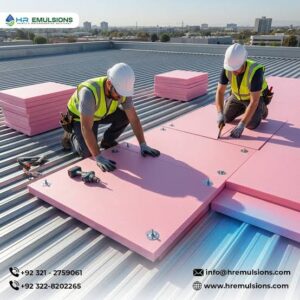
Now, let’s get real about the actual days on site. The word “replacement” means removal loud, messy removal. Day one almost always kicks off with a tear-off crew stripping away the old membrane, insulation, and sometimes even wet wood. The roofing contractor will typically bring a dumpster or debris chute, and they’ll keep the loading zone clear so your deliveries and customer parking still work. Once the deck is exposed, a thorough inspection happens. I’ve spoken with roofers who found rotting plywood hidden for years, and that moment is where the project breathes fixing the deck isn’t a delay, it’s the foundation of your new roof’s longevity. After repairs, thick rigid insulation panels go down, often sloped slightly to promote positive drainage. This isn’t just for comfort; proper slope eliminates the number-one enemy of flat roofs: standing water.
Then comes the part I find genuinely exciting: rolling out the new roofing system. For most low-slope commercial buildings in the U.S., you’ll be choosing between TPO, PVC, or EPDM membranes, or possibly a standing seam metal roof. Each material has its own rhythm. A TPO installation often involves heat-welding seams so they become stronger than the membrane itself. EPDM might arrive as a giant single sheet that needs adhesive application. What you’ll notice most? The smell of hot-air welders or adhesive, and a steady hum of activity overhead. A good crew will layer the material, flash around every curb, vent, and HVAC unit with meticulous care, then seal perimeter edges to prevent wind uplift. This stage is the heartbeat of the commercial roof replacement process, and it’s where experienced craftsmanship keeps your building watertight for decades.
One worry I hear all the time: “Do I have to close my doors?” Almost never. In 1250-word honesty, most retail stores, offices, and warehouses stay open throughout a commercial roof replacement. The crew works above you, not beside you. You might hear thumping and scraping, but a seasoned commercial roofing team sequences their work to minimize impact over sensitive areas like server rooms or restaurant kitchens. They’ll often schedule noisy tear-off early in the morning, and keep communication lines wide open. A pre-construction meeting with your contractor and key tenants makes a world of difference — you’ll decide on parking adjustments, dumpster placement, and even a backup plan for days when weather forces a pause.
Talking about weather, many building managers in the Northeast and Midwest plan their commercial roof replacement for late spring through early fall, when consistent temperatures help membranes weld or adhere correctly. That said, emergency projects happen in December too, and professionals know how to tarp, manage cold-weather adhesives, and keep everyone safe. Expect the whole job to last anywhere from a few days for a simple single-ply roof on a small building, to two or three weeks for a large, complex low-slope roof with extensive deck repairs. Your contractor will provide a realistic timeline upfront, and a drip of experience here: build in a buffer for rain days. It’s construction, not theater.
Cost always comes up, so let’s address it plainly. A commercial roof replacement typically ranges between $5 and $12 per square foot in the current market, but that includes tear-off, insulation, new material, and labor. Variables like height, accessibility, rooftop units, and local code requirements push numbers around. The real value, though, lives in what you can’t see immediately: energy savings. A reflective white TPO or PVC roof can drop cooling costs by up to 20% in sun-drenched states like Texas or Arizona. Pair that with a 20- or 30-year manufacturer’s warranty, and you’re not just fixing a leak — you’re reshaping your building’s operating budget. That’s why a well-executed commercial roof replacement is an investment, not an expense.
Throughout the project, you’ll notice a shift in your roof’s posture. The surface looks uniform, seams are invisible, edges are crisp, and all those old patches and caulky band-aids are finally gone. After the installation, a final inspection often by the manufacturer’s rep confirms that every detail meets their standards, which activates your warranty. The crew does a magnetic sweep for loose nails and debris, then walks you through a packet of information: warranty documents, maintenance guidelines, and a checklist of things to monitor seasonally, like clear drains and secure flashing.
Conclusion
You’ll get a material warranty from the manufacturer (often 15–30 years for TPO, PVC, EPDM) and a workmanship warranty from the installer (typically 2–10 years). The strongest coverage is an NDL (No Dollar Limit) warranty that covers both materials and labor for leaks.
A commercial roof replacement isn’t just a repair; it’s a reset button for your entire building’s performance. When you know what to expect, you move from anxious building owner to informed decision-maker — one who can sleep through the night while your new roof quietly does its job. So take that estimate, ask those questions, and remember: you’re not losing a roof, you’re gaining decades of peace of mind overhead.