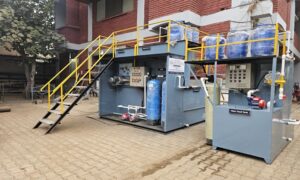

Effluent Treatment Plants have become a critical part of industrial infrastructure as environmental regulations tighten and wastewater generation continues to rise. Every industry—whether small or large—produces wastewater that contains contaminants, chemicals, and pollutants harmful to the environment if discharged without treatment. An ETP ensures that industrial effluent is treated, purified, and made safe for disposal or reuse. This article explores in detail why an Effluent Treatment Plant is essential, how it works, its components, benefits, challenges, and role in sustainable industrial operations.
What Is an Effluent Treatment Plant?
An Effluent Treatment Plant is a wastewater treatment system designed to remove harmful pollutants from industrial effluent. Unlike domestic wastewater, industrial effluent contains high concentrations of toxic substances, heavy metals, oils, chemicals, pathogens, and organic matter. An ETP uses physical, chemical, and biological processes to remove impurities and bring the wastewater within the permissible discharge limits set by the Pollution Control Boards.
Industries such as textiles, pharmaceuticals, chemicals, food processing, paper mills, tanneries, metal plating, automobile manufacturing, and oil refineries rely heavily on ETPs to ensure safe disposal and environmental compliance.
Why Do Industries Need Effluent Treatment Plants?
Industries must install and operate ETPs for several essential reasons:
- To Protect the Environment
Untreated effluent can pollute rivers, lakes, and soil, leading to ecological imbalance. Treated wastewater prevents contamination of natural ecosystems and preserves aquatic life.
- To Comply With Legal Norms
Industries must follow strict guidelines set by CPCB and SPCBs. Non-compliance can lead to penalties, plant closure, or legal action. ETPs help industries meet these mandatory standards.
- To Support Sustainable Operations
Water scarcity is increasing globally. ETPs allow industries to reclaim and reuse treated water, reducing freshwater consumption and promoting sustainability.
- To Protect Human Health
Toxic effluent entering the environment can cause diseases, skin infections, respiratory issues, and other health problems. ETPs ensure the community’s well-being by eliminating harmful contaminants.
How Does an Effluent Treatment Plant Work?
An ETP typically operates through four primary treatment stages: preliminary, primary, secondary, and tertiary treatment. Each stage plays a crucial role in achieving high-quality treated water.
- Preliminary Treatment
This is the first step where large impurities are removed.
- Screening: Removes large solids like plastics, paper, and debris.
- Grit Removal: Eliminates sand, gravel, and heavy particles.
- Equalization Tank: Balances the effluent flow and stabilizes pH.
- Primary Treatment
This stage removes suspended solids and reduces organic load.
- Coagulation & Flocculation: Chemicals are added to bind small particles into larger clumps.
- Sedimentation: Heavy flocs settle at the bottom and are removed as sludge.
- Oil & Grease Removal: Skimming systems extract floating oils and fats.
- Secondary (Biological) Treatment
Microorganisms break down the organic matter present in the wastewater.
Common biological processes include:
- Activated Sludge Process (ASP)
- Moving Bed Biofilm Reactor (MBBR)
- Sequential Batch Reactor (SBR)
- Membrane Bioreactor (MBR)
- Tertiary Treatment
The final step improves water quality for safe discharge or reuse.
- Filtration (Sand, Carbon, Dual Media)
- Disinfection (Chlorine, UV, Ozone)
- Advanced Treatment (RO, Ultra-filtration)
What Are the Key Components of an Effluent Treatment Plant?
A modern ETP includes:
- Equalization tank
- Chemical dosing system
- Clarifier or settling tank
- Aeration tank or biological reactor
- Tube settlers
- Filtration units
- Sludge dewatering system
- Disinfection units
What Are the Benefits of an Effluent Treatment Plant?
- Environmental Protection
ETPs prevent toxic discharge from harming soil, water, and air.
- Water Reuse
Industries can reuse treated water for cooling, washing, gardening, and boiler feed, significantly reducing water costs.
- Cost Savings
By reclaiming water and reducing legal risks, industries save substantial operational expenses.
- Regulatory Compliance
ETPs ensure adherence to pollution control regulations and avoid penalties.
- Corporate Responsibility
Industries can demonstrate their commitment to sustainability and environmental care.
Which Industries Require Effluent Treatment Plants the Most?
Industries generating highly contaminated wastewater include:
- Textile dyeing units
- Pharma and chemical manufacturing
- Electroplating and metal finishing
- Food and beverage
- Pulp and paper mills
- Oil refineries
- Automotive industries
- Dairy and slaughterhouses
What Challenges Do Industries Face in Operating an ETP?
High Chemical Cost
ETPs require regular purchase of coagulants, flocculants, and disinfectants.
Skilled Manpower Requirement
Improper operation leads to poor treatment efficiency.
Maintenance Challenges
Equipment such as blowers, pumps, and membranes need regular upkeep.
Sludge Handling
The sludge generated has to be safely transported and disposed of.
Conclusion
Effluent Treatment Plants are essential for industries aiming to minimize environmental pollution, comply with regulations, and adopt sustainable practices. As wastewater challenges grow, ETP technology continues to evolve with better efficiency, automation, and energy-saving features. For industries committed to environmental responsibility, installing and maintaining a high-quality ETP is no longer a choice—it is a necessity.