
This article was originally published on Diigo.com and has been republished here with permission.
Gravity-fed plumbing is still common in many homes, particularly where water is stored in a raised tank before moving through the building. That setup works differently from a pressurised supply, so the heating equipment has to suit it. Tank height matters. So does roof space, water quality, family size, and how much hot water gets used at busy times. Get those basics right, and the whole arrangement can remain fairly simple. In this article, we will discuss how gravity-fed solar heating works and what buyers should check before choosing a system.
How Gravity-Fed Systems Work With Solar Heating
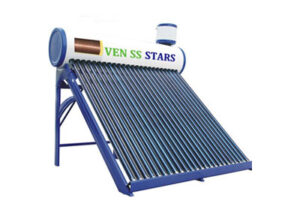
A non-pressurised solar water heater fits naturally into this type of plumbing because it doesn’t need strong incoming pressure to operate. Water usually moves from an elevated storage tank into the heating unit, where the collectors warm it before it is stored for later use. That makes the setup practical for homes that already rely on rooftop tanks. Take a house with a 2,000-litre storage tank, for example. A 200-litre heating unit may work perfectly well without adding a separate pressure pump. That’s one reason these systems appeal to many homeowners. The setup is usually simpler and can cost less to install, although there is a trade-off. Water coming from the shower may not feel as forceful as it would with a high-pressure arrangement.
When a Higher-Pressure Option May Be Better
There are cases where a Pressurized Solar Water Heater simply makes more sense. A hotel with several bathrooms running at once is a good example. The same applies to some apartment buildings, larger family homes, and offices where users expect a stronger and more consistent flow. These systems can deliver that experience, but the plumbing is usually more demanding. Pressure valves, pipe work, fittings, and controls all need to be selected carefully. The existing water source also influences the decision. Hard borehole water, for instance, can leave mineral deposits over time, while fresh water may be less troublesome. Tank material should therefore be considered alongside pressure, rather than treated as an afterthought.
Features Worth Checking Before Buying
Finding the best non-pressurised solar water heater isn’t really about spotting the largest tank or the lowest price. A few practical checks tell you far more about whether a unit will suit the property:
- Check whether the rooftop tank sits high enough for useful water flow.
- Match storage capacity with real household demand, especially during peak hours.
- Choose a tank material that suits fresh or hard borehole water.
- Make sure the roof can safely support the filled unit.
- Look for trees, walls, or buildings that could block sunlight.
These points sound basic, but they’re often where problems begin. Poor flow, slow heating, or an unexpected plumbing bill usually comes back to something that wasn’t checked early enough.
Installation Quality Affects Long-Term Reliability
Even the right solar heater for gravity-fed systems can become frustrating if the installation is rushed. Collector direction, pipe length, roof strength, tank height, and the distance to indoor taps all affect how the system behaves once people start using it. Heat loss is another common issue. If hot-water pipes are left poorly insulated, some of the heat gained on the roof disappears before the water reaches the bathroom. After installation, the installer should check valves, joints, flow, drainage, and any signs of leaking. Homes that rely on borehole water may also need occasional inspection for scale inside pipes or the tank. None of this is particularly complicated, but small maintenance jobs are much easier to deal with before they turn into expensive repairs.
Conclusion
Gravity-fed solar heating works best when the system is chosen around the property rather than bought on tank size alone. Tank height, household demand, roof conditions, water quality, and installation all shape how comfortable and dependable the final setup feels.
Solar Water Heaters Kenya supports customers with system selection, supply, delivery, installation, maintenance, and repair services. Property owners can compare different capacities and configurations based on their plumbing, water source, roof layout, and the amount of hot water they actually use.
Frequently Asked Questions
Question: Can a gravity-fed solar system serve several bathrooms?
Answer: Yes, but it depends on tank height, pipe size, storage capacity, and how many taps are being used together. A large household may need more storage or a different pressure arrangement.
Question: What tank size is suitable for a family home?
Answer: A smaller household may manage comfortably with 150 or 200 litres. Families with more people, frequent showers, or higher evening demand may be better suited to 250 litres or above.
Question: Does hard borehole water affect solar heating equipment?
Answer: It can. Minerals in borehole water may build up inside pipes and tanks over time. Choosing a compatible tank material and arranging occasional checks can help reduce performance problems.