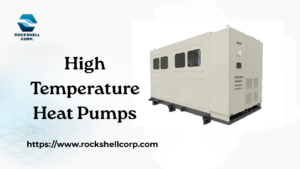

Heavy industries from food processing and paper manufacturing to chemicals and textiles are under growing pressure to decarbonize without sacrificing productivity. An industrial high temperature heat pump offers a compelling solution: it replaces fossil-fuel boilers with electrically driven systems capable of delivering process heat up to 200°C. But one question consistently comes up during the evaluation stage, how long does it take to recoup the investment? Understanding the payback period is essential for building a solid business case.
What Factors Determine the Payback Period?
The payback period for a high temperature heat pump system is not a fixed number. It varies based on several operational and financial variables that are unique to each facility.
The most influential factor is the energy price differential specifically, the gap between your current gas or fuel costs and the cost of the electricity that will power the heat pump. In regions where electricity is relatively affordable or where renewable tariffs apply, payback periods can shorten dramatically. Conversely, in markets with high electricity prices, the economics take longer to balance.
Other key variables include the system’s coefficient of performance (COP), which typically ranges from 2 to 4 for industrial heat pumps. A higher COP means the system produces more heat per unit of electricity consumed, directly improving your return on investment. Additionally, the availability of low-grade waste heat recovery opportunities on-site can significantly boost efficiency and shrink the payback window.
Typical Payback Timelines Across Industrial Sectors
While every project is site-specific, industry data and real-world deployments provide useful benchmarks for heavy industrial applications.
In food and beverage processing where heat pumps support pasteurization, drying, and sterilization payback periods commonly fall in the 3 to 6 year range, particularly when waste heat from refrigeration or cooking exhaust is available for recovery. The high operational hours typical of food plants also accelerate energy savings.
For paper and pulp manufacturing, which involves large volumes of steam and hot air, payback windows of 4 to 7 years are realistic when replacing aging gas boilers. Process integration plays a major role here systems designed to recover and upgrade heat from paper dryers can achieve higher COP values, improving the financial case.
In chemical and pharmaceutical manufacturing, where precise temperature control is critical, high temperature heat pumps delivering 110–160°C hot water or steam can replace direct-fired heaters. With strong energy baselines and continuous operations, payback in the 3 to 5 year range is achievable when systems are properly sized and integrated.
How Waste Heat Recovery Accelerates ROI
One of the most powerful levers for improving payback is on-site waste heat recovery. Many heavy industrial facilities generate significant quantities of low-grade exhaust heat from compressors, cooling towers, furnace flue gases, or process wastewater that is simply vented to the atmosphere.
A high temperature heat pump can capture this thermal energy at temperatures as low as 40–60°C and upgrade it to 130°C or beyond. This dramatically reduces the amount of grid electricity needed to meet process heat demand, pushing the effective COP above standard values and compressing the payback period.
Moreover, facilities that leverage waste heat recovery simultaneously reduce cooling load and improve overall site energy balance, a double benefit that strengthens the investment case even further. Pairing a heat pump with an intelligent Building Management System (BMS) or energy monitoring platform ensures optimal performance throughout its 15–20 year operational life.
Incentives, Carbon Credits, and Financing Options
Beyond operational savings, external financial mechanisms can significantly reduce the effective payback period. Many governments and regulatory bodies now offer grants, subsidies, and tax incentives specifically for industrial electrification and heat decarbonization projects.
In the European Union, the F-Gas Regulation and industrial decarbonization programs provide financial support for businesses transitioning away from fossil-fuel heating. Similarly, carbon credit schemes allow industries to monetize their emissions reductions, creating an additional revenue stream that offsets capital expenditure.
Green financing products such as sustainability-linked loans and energy performance contracts are also increasingly available, spreading upfront costs over time and making the investment more accessible for mid-sized manufacturers. When these mechanisms are factored in, the effective payback period can drop by one to three years compared to a standalone calculation.
Conclusion: A Strategic Investment with a Clear Return
The payback period for an industrial high temperature heat pump in heavy industry typically ranges from 3 to 7 years, depending on energy prices, system COP, waste heat availability, and applicable incentives. Over a 15–20 year operational lifespan, the cumulative savings in fuel costs and carbon charges far outweigh the initial capital outlay.
Choosing the right manufacturer and engineering partner is critical to achieving these outcomes. Companies like Rockshell Corp design process-ready high temperature heat pump systems capable of delivering up to 200°C built for seamless integration with existing industrial infrastructure. Their end-to-end support, from feasibility assessment through commissioning, ensures your system performs at peak efficiency from day one.
If you’re evaluating a heat pump upgrade for your facility, now is the right time to run the numbers. Speak with an industrial heat pump specialist to get a tailored payback analysis for your specific process requirements.