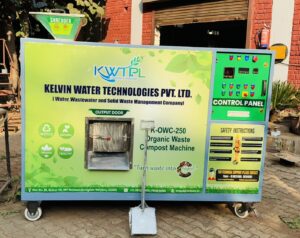

An organic waste composter is a specialized system designed to convert biodegradable waste into nutrient-rich compost through controlled biological processes. With rising urbanization, changing consumption patterns, and increasing pressure on landfills, managing organic waste has become a major challenge. Organic waste composters offer an effective, eco-friendly, and sustainable solution by transforming food waste, garden waste, and other biodegradable materials into valuable compost. This article explains what an organic waste composter is, how it works, its types, benefits, and why it is crucial in today’s waste management ecosystem.
What Is an Organic Waste Composter?
An organic waste composter is a machine or system that accelerates the natural decomposition of organic waste using microorganisms, aeration, temperature control, and moisture regulation. The output is compost—a stable, odour-free, and nutrient-rich material that can be used as soil conditioner or organic fertilizer.
Organic waste composters are widely used in residential societies, hotels, restaurants, institutions, commercial complexes, municipalities, and industrial facilities.
Why Is Organic Waste Composting Important?
Organic waste typically constitutes 50–60% of municipal solid waste in India. When dumped in landfills, this waste decomposes anaerobically, producing methane—a potent greenhouse gas—and foul odours.
Organic waste composting is important because it:
- Reduces landfill waste volume
- Minimizes greenhouse gas emissions
- Prevents foul odour and pest issues
- Converts waste into useful compost
- Supports sustainable and circular waste management
How Does an Organic Waste Composter Work?
An organic waste composter works by creating optimal conditions for microorganisms to break down organic material quickly and efficiently.
The basic working process includes:
- Waste Feeding – Segregated organic waste such as food scraps and garden waste is fed into the composter.
- Shredding (Optional) – Some systems shred waste to increase surface area for faster decomposition.
- Microbial Action – Specialized microbes decompose organic matter.
- Aeration and Mixing – Regular mixing ensures oxygen supply and uniform composting.
- Temperature Control – Heat generated during decomposition helps kill pathogens.
- Compost Output – Stabilized compost is collected after curing.
What Types of Organic Waste Composters Are Available?
Different types of organic waste composters are used based on waste quantity, available space, and operational needs.
Mechanical Organic Waste Composter
These are fully or semi-automatic machines suitable for bulk waste generators. They offer faster processing and controlled composting.
In-Vessel Composter
In-vessel composters operate in an enclosed chamber, controlling odor, temperature, and moisture. They are ideal for urban and institutional applications.
Automatic Organic Waste Composter
These machines use automation and PLC-based controls for efficient operation with minimal manpower.
Semi-Automatic Composter
Suitable for medium-scale applications, requiring some manual intervention.
Vermicomposting Units
Use earthworms to decompose organic waste naturally, suitable for small-scale or decentralized applications.
What Types of Waste Can Be Processed in an Organic Waste Composter?
Organic waste composters are designed to process biodegradable waste such as:
- Food waste from kitchens and canteens
- Fruit and vegetable waste
- Garden and horticulture waste
- Leftover cooked food
- Agricultural organic residues
Where Are Organic Waste Composters Commonly Used?
Organic waste composters are widely used across various sectors, including:
- Residential housing societies
- Hotels and restaurants
- Shopping malls and commercial complexes
- Educational institutions and hospitals
- Industrial canteens and campuses
- Municipal waste processing facilities
What Are the Benefits of Using an Organic Waste Composter?
Installing an organic waste composter provides numerous advantages:
- On-Site Waste Reduction: Eliminates the need to transport organic waste
- Cost Savings: Reduces waste collection and disposal costs
- Environmental Protection: Minimizes landfill use and methane emissions
- Compost Generation: Produces organic manure for landscaping and farming
- Regulatory Compliance: Helps meet Solid Waste Management Rules, 2016
How Does an Organic Waste Composter Support Circular Economy?
Organic waste composters play a vital role in the circular economy by converting waste into a resource. Instead of disposing organic waste, composting returns nutrients to the soil, improving soil fertility and reducing dependence on chemical fertilizers.
This closed-loop approach promotes sustainable consumption and production patterns.
What Are the Challenges in Organic Waste Composting?
Some challenges associated with organic waste composting include:
- Improper waste segregation
- Odor issues due to poor aeration
- Moisture imbalance
- Lack of operational awareness
What Maintenance Is Required for an Organic Waste Composter?
Regular maintenance ensures efficient composting and long equipment life. Common maintenance practices include:
- Cleaning the composter chamber
- Checking aeration and mixing systems
- Monitoring temperature and moisture levels
- Adding microbial culture when required
- Routine inspection of motors and electrical components
What Is the Future of Organic Waste Composters in India?
With increasing awareness, strict waste segregation norms, and government initiatives, the demand for organic waste composters in India is growing rapidly. Advanced composters with odour control, automation, and energy efficiency are becoming the preferred choice.
Organic waste composting is expected to play a key role in achieving zero waste and sustainable urban development goals.
Conclusion
An organic waste composter is more than just a waste processing machine—it is a sustainable solution to one of the biggest environmental challenges of our time. By converting organic waste into valuable compost, it reduces landfill burden, conserves resources, and supports a cleaner, greener future. For residential societies, institutions, and industries alike, investing in an organic waste composter is a practical step toward responsible and sustainable waste management.