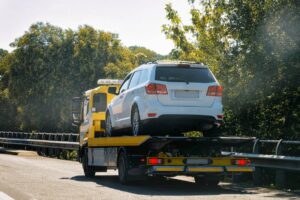

Many vehicle owners arrange car removal but rarely think about what happens after the car leaves their driveway. Once a vehicle is collected in Melbourne, it does not simply disappear. It goes through a clear process that includes inspection, dismantling, recycling, and lawful disposal.
Understanding this process helps vehicle owners feel confident about where their car ends up. It also explains how vehicle recycling supports environmental and industry standards in Victoria.
This guide explains each stage in detail and stays focused only on what happens after car removal in Melbourne.
Step One: Transport to a Licensed Yard
After collection, the vehicle is transported to a licensed wrecking or recycling yard. These yards operate under Victorian environmental and trading rules.
The yard must follow regulations relating to waste handling, fluid disposal, and material recycling. This ensures that vehicles are not left in open land where fluids or materials can damage the environment.
Melbourne has many authorised yards that process vehicles daily. Once the vehicle arrives, the inspection stage begins.
Step Two: Initial Inspection and Assessment
At the yard, workers inspect the vehicle carefully. The purpose of this inspection is to decide whether parts can be reused or whether the vehicle will move straight to dismantling.
The condition of the engine, gearbox, panels, tyres, and electronic components is assessed. Even damaged cars may still contain usable parts.
Australia has a strong market for recycled vehicle parts. Many drivers choose second hand components because they cost less than new replacements. This makes inspection an important part of the process.
Step Three: Removal of Hazardous Fluids
Before dismantling begins, all hazardous fluids are removed. Vehicles contain engine oil, transmission fluid, brake fluid, coolant, and fuel. These substances must be drained safely.
Under Victorian environmental guidelines, fluids cannot be released into soil or stormwater systems. They are collected and stored in controlled containers.
Some fluids are treated and reused. Others are disposed of according to waste management standards. This step reduces environmental harm and protects water systems across Melbourne.
Step Four: Dismantling and Parts Recovery
Once fluids are removed, dismantling begins. Workers remove parts that can still function. These may include alternators, starter motors, mirrors, doors, headlights, and interior components.
Reusable parts are tested before resale. This supports the local automotive repair industry and keeps usable materials in circulation.
Industry reports show that a large percentage of a vehicle by weight can be reused or recycled. Steel alone forms a major portion of vehicle construction, and it can be recycled many times without losing strength.
Step Five: Metal Separation and Crushing
After parts recovery, the remaining vehicle shell moves to metal processing. The car is crushed into a compact shape for transport.
The crushed metal is sent to shredding facilities where materials are separated. Steel, aluminium, copper, and other metals are sorted using magnets and specialised systems.
Recycled steel reduces the need for mining raw materials. Producing steel from recycled scrap uses less energy than producing it from iron ore. This contributes to lower industrial emissions.
Step Six: Recycling and Material Reuse
Separated metals are sent to manufacturing plants. These materials may be used in construction, new vehicles, appliances, or infrastructure projects.
Tyres are processed through recycling programs. Some are converted into rubber products or used in road construction materials.
Batteries are handled separately. Car batteries contain lead and acid, which require careful processing. Australia has established recycling systems for automotive batteries to prevent environmental damage.
This recycling cycle supports resource conservation across Victoria.
Environmental Impact of Vehicle Recycling in Melbourne
Vehicle recycling reduces landfill waste. If cars were dumped without processing, fluids and materials would pollute land and water.
Recycling also reduces energy use compared to producing new raw materials. Steel recycling alone saves a significant amount of energy in manufacturing.
Melbourne supports recycling initiatives that align with broader environmental goals. Proper vehicle removal and processing contribute to these efforts.
Legal Closure of Ownership
After removal and processing, ownership transfer records ensure the previous owner is no longer responsible for the vehicle.
This step protects individuals from future fines or liability linked to the car. Legal documentation confirms that the vehicle has been dismantled or recycled.
Without this record, issues may arise later. That is why lawful handling after car removal is essential.
Why Understanding the Process Matters
Many vehicle owners only focus on removal day. However, knowing what happens afterwards provides clarity.
It confirms that the car is handled in line with Victorian regulations. It also shows how materials are reused rather than wasted.
This awareness supports informed decisions when selecting a car removal service.
A Service That Aligns With Proper Post-Removal Handling
When choosing a company for removal, vehicle owners often look for one that follows the full recycling and compliance process described above. A service such as best car removal in melbourne, provided through , fits within this framework because it handles vehicle transfer, lawful yard processing, and material recycling according to local standards. In the context of what happens after removal, selecting a service that follows these steps ensures the vehicle does not end up unmanaged or outside regulatory control.
The Full Journey in Summary
From driveway collection to final recycling, the vehicle moves through several defined stages:
-
Transport to a licensed yard
-
Inspection for reusable parts
-
Removal of hazardous fluids
-
Dismantling and parts recovery
-
Metal crushing and separation
-
Recycling and manufacturing reuse
Each stage supports safety, environmental protection, and resource conservation.
Read More: https://www.urgentcash4carz.com.au/
Final Thoughts
Car removal in Melbourne is not just about clearing space. It begins a structured process that includes inspection, dismantling, recycling, and lawful closure of ownership.
Most vehicles are largely recyclable by weight. Steel, aluminium, rubber, and batteries are processed through established systems that reduce waste and conserve materials.
Understanding what happens after car removal gives vehicle owners confidence that their unwanted car is handled responsibly and in line with Victorian standards.