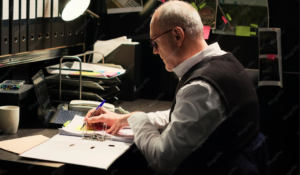

Handwriting can reveal more than words on a page. It can prove who wrote a threatening letter. It can expose a forged signature on a will. Forensic handwriting experts study these small details to help courts and investigators find the truth.
This field is one of the oldest in forensic science. It has roots that go back to ancient Roman law. Today, it still plays a big role in fraud cases, disputed contracts, and criminal trials. So what exactly do these experts look at? Let’s break it down.
Collecting the Right Samples First
Before any comparison happens, experts need writing samples. These come in two types. The first is non-request writing. This is writing a person made before any investigation began. Think old letters, journal entries, or job applications. It shows natural, unforced habits.
The second is requested writing. This happens when someone writes samples on purpose, often in front of a witness. It helps confirm real writing conditions, but people often tense up when they know they’re being watched. This can slightly change their normal style. Most handwriting forensic experts prefer to use both kinds. Together, they give a fuller picture of how someone truly writes.
Letter Formation and Structure
Once samples are ready, examiners study letter shapes closely. They look at how each letter starts and ends. They check the height of capital letters compared to lowercase ones. They also study spacing. This includes gaps between letters, words, and lines. Even the slant of the writing matters. These traits seem small. But together, they form a pattern that is unique to each writer.
Speed, Pressure, and Pen Control
Handwriting isn’t just about shape. It’s about motion too. Experts study how fast a person writes. They check pen pressure and how smoothly the strokes flow. Genuine writing usually looks natural and fluid. Forged writing often looks slow, shaky, or overly careful. This happens because forgers focus so hard on copying letters that they lose their natural rhythm. A trained eye can spot that shift right away.
Spotting Signs of Forgery
Forgery comes in a few common forms. Some people trace a signature. Others try to copy it freehand. And some simply try to disguise their own handwriting. Tracing often leaves faint indents or shaky lines. Freehand copies tend to show uneven pressure and slower strokes. Disguised writing may look different at first, but a person’s true habits tend to creep back in over time.
Forensic handwriting experts are trained to catch these subtle clues. Microscopic tools help them spot patching, blunt starts, or retouched lines that the human eye might miss.
Why Does This Evidence Hold Up in Court?
Handwriting analysis isn’t perfect. Courts have debated its reliability for years. But research tells a strong story. Studies show trained examiners have far lower error rates than untrained observers. In one study, expert error rates stayed under one percent, while nonexperts made mistakes far more often. This gap shows why courts still rely on trained document examiners for many cases. Handwriting comparison also focuses only on physical traits. It cannot reveal a writer’s age, gender, or personality. It sticks strictly to the science of the strokes.
Final Thoughts
Every signature and sentence carries a hidden fingerprint. Handwriting forensic experts rely on years of training to read these clues correctly. They study samples, strokes, pressure, and structure to reach fair conclusions. This careful process helps protect people from fraud and forgery. It also gives courts reliable evidence when handwriting is in question.
For those curious about how this process works in real cases, America’s Handwriting Expert offers a closer look at how trained document examiners approach these investigations every day.