
A colonoscopy is a vital tool for detecting various conditions in your colon and rectum. It allows doctors to examine your large intestine for abnormalities, inflammation, and precancerous growths. Understanding what can a colonoscopy detect helps you take proactive steps toward colon health.
This article will cover the types of conditions a colonoscopy can detect, how polyps and cancer are identified, and why routine screening is important.
Understanding Colonoscopy
A colonoscopy is a procedure where a flexible tube with a camera examines your colon. It is usually performed under sedation to ensure comfort. Colonoscopy not only detects issues but can also allow immediate removal of polyps or tissue samples for biopsy.
Regular colonoscopies are recommended starting at age 45 or earlier for those at higher risk. Early detection can significantly improve treatment outcomes.
Conditions a Colonoscopy Can Detect
Colorectal Polyps
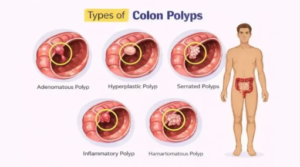
Polyps are small growths on the inner lining of the colon. While most are benign, some can develop into cancer over time. Colonoscopy can detect and remove polyps before they become malignant, reducing your risk of colorectal cancer.
Colorectal Cancer
Colonoscopy is the most effective screening tool for colorectal cancer. It can detect cancer at an early stage when treatment is most successful. Detecting cancer early improves survival rates and treatment options.
Inflammatory Bowel Disease
Conditions like Crohn’s disease and ulcerative colitis cause chronic inflammation in the digestive tract. Colonoscopy allows visualization of inflammation, ulcers, and other signs, helping guide diagnosis and treatment plans.
Diverticulosis and Diverticulitis
Diverticula are small pouches that can form in the colon wall. While often harmless (diverticulosis), they can become inflamed or infected (diverticulitis). Colonoscopy helps identify these pouches and monitor complications.
Gastrointestinal Bleeding
If you experience unexplained bleeding, colonoscopy can locate the source. Detecting ulcers, tumors, or vascular malformations early prevents further complications.
How Colonoscopy Detects Abnormalities
The colonoscope provides high-definition images of the colon lining. Doctors look for irregularities such as:
- Polyps or growths
- Areas of inflammation or ulceration
- Tumors or masses
- Unusual blood vessels or bleeding points
Biopsies can be performed during the procedure for further analysis, ensuring accurate diagnosis.
Benefits of Early Detection
Early detection through colonoscopy can:
- Prevent colorectal cancer by removing precancerous polyps
- Reduce complications from inflammatory bowel diseases
- Identify bleeding sources or structural abnormalities
- Guide treatment plans for chronic colon conditions
Routine screenings save lives by catching problems before they escalate.
Preparing for a Colonoscopy
- Follow a clear liquid diet 1–2 days before
- Use prescribed laxatives for bowel cleansing
- Avoid solid foods and certain medications as advised
- Arrange for transportation after sedation
Proper preparation ensures a clear view and accurate detection of abnormalities.
After the Procedure
- Mild bloating or cramping is normal
- Follow dietary instructions and gradually return to regular eating
- Discuss biopsy or polyp results with your doctor
- Schedule follow-up screenings as recommended
Post-procedure care supports recovery and effective monitoring.
FAQ: What Can a Colonoscopy Detect
- Can a colonoscopy detect cancer?
Yes, it can detect colorectal cancer at early stages for timely treatment. - Are polyps always cancerous?
No, most are benign, but some can become malignant over time. - Can colonoscopy find inflammatory bowel disease?
Yes, it can reveal inflammation, ulcers, and other signs of Crohn’s or ulcerative colitis. - Can it detect bleeding sources?
Yes, it identifies ulcers, tumors, or vascular malformations causing bleeding. - How often should I get screened?
Screening is usually every 10 years, but earlier or more frequent for high-risk individuals. - Is preparation necessary?
Yes, bowel cleansing ensures a clear view for accurate detection. - Can colonoscopy detect diverticulosis?
Yes, it shows small pouches in the colon wall and monitors complications. - Does it require sedation?
Yes, most procedures use sedation for comfort. - Can colonoscopy prevent cancer?
Yes, removing precancerous polyps significantly reduces colorectal cancer risk. - Are there risks with colonoscopy?
Risks are low but include bleeding, perforation, or reactions to sedation.