
Living with scoliosis can make daily movement feel different. You may notice uneven shoulders, back pain, tight muscles, or a feeling that your body is not balanced. It is also normal to wonder if chiropractic care can really help.
A chiropractor cannot simply straighten a curved spine with one adjustment. However, chiropractic care may help manage some problems linked to scoliosis, such as pain, stiffness, muscle tightness, and trouble with movement. The right care depends on the type and size of the curve, your age, symptoms, and overall health.
First, What Does Scoliosis Mean?
Scoliosis is a condition where the spine curves from side to side instead of staying mostly straight. The spine may also turn as it curves.
Scoliosis can develop during childhood or the teen years, but adults can have it too. Some people have a small curve and few symptoms, while others may have ongoing pain or changes in posture.
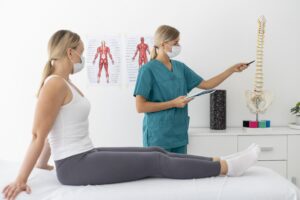
Before starting care, a proper checkup is important. A chiropractor should look at your spine, movement, posture, symptoms, and health history instead of treating every person with scoliosis in the same way.
What Can Chiropractic Care Actually Help With?
One main goal of chiropractic care for someone with scoliosis is not to “cure” the curve. Instead, care may focus on helping you move more comfortably and manage symptoms.
Depending on your needs, a chiropractor may work on:
- Back pain: Gentle hands-on care may help lower some types of muscle and joint pain.
- Muscle tightness: Muscles around a curved spine can become tired or tight. Care may focus on helping these muscles relax and improving comfort.
- Joint movement: Some parts of the spine may feel stiff. A chiropractor may use safe techniques to help support normal movement.
- Posture and movement: Exercises and movement tips can help you understand how your body moves and how to use it more comfortably.
- Daily activities: The goal may be to make activities such as walking, sitting, working, or exercising easier.
This is where scoliosis treatment chiropractic care may help some people. It is mainly about managing the effects of scoliosis rather than removing the spinal curve.
What Happens During a Chiropractic Evaluation?
A good checkup should come before treatment. Your chiropractor may ask when your pain started, what activities make it worse, and whether you have noticed changes in your posture or movement.
The checkup may include:
- Reviewing your health and treatment history
- Looking at your posture and spine
- Checking how well you can move
- Checking for tight or weak muscles
- Watching how you walk or perform certain movements
- Reviewing past X-rays or other scans when available
- Deciding if you need to see another healthcare provider
This step helps the chiropractor understand what may be causing or adding to your symptoms.
Can Chiropractic Adjustments Straighten Scoliosis?
This is one of the most important questions to ask.
Chiropractic adjustments should not be presented as a way to permanently straighten a spinal curve caused by scoliosis. A spinal curve is not simply a joint that is “out of place” and can be put back into position.
For some people, however, the right hands-on care may help with pain, stiffness, and movement. That difference matters when you are looking at scoliosis treatment chiropractor options.
A responsible chiropractor should clearly explain what treatment may and may not do instead of promising a quick fix.
Where Do Exercises Fit Into Scoliosis Care?
Hands-on care is only one part of treatment. Depending on your needs, your chiropractor may suggest exercises that support strength, flexibility, balance, and better movement.
These may include exercises designed to:
- Strengthen the muscles that support the spine
- Improve flexibility
- Build better movement habits
- Support core strength
- Reduce muscle tightness
- Help you stay active in a safe way
Your exercise plan should match your condition. An exercise routine that works for one person may not be right for another, so personal guidance is important.
Is Scoliosis Treatment Without Surgery Possible?
For many people, especially those with mild scoliosis or symptoms that can be managed, care may focus on non-surgical options. These can include exercise, physical therapy, pain care, regular checkups, and other non-surgical treatments.
Chiropractic care may be one part of this plan when it is suitable.
However, scoliosis treatment without surgery does not mean every spinal curve can be managed without medical care. Some people may need to see an orthopedic specialist, especially if the curve is getting worse, symptoms are severe, or there are concerns about nerves or other parts of the body.
When Should You Seek More Medical Care?
Chiropractic care should not replace a medical checkup when warning signs are present.
Seek medical attention if you have:
- New or worsening weakness
- Serious numbness or loss of feeling
- Problems controlling your bladder or bowel
- Severe or quickly worsening pain
- Trouble walking or keeping your balance
- Symptoms after a major injury
These symptoms need a proper medical checkup instead of being treated as simple back pain.
End Note:
Scoliosis can look different from one person to another, and it can affect daily life in different ways. That is why good scoliosis treatment in Ithaca, NY, starts with understanding the person instead of promising that one treatment will work for everyone.
A chiropractor may help some people manage pain, stiffness, muscle tightness, and movement problems through a personal care plan. Chiropractic care can also sometimes be used along with other types of care, depending on the person’s needs.
If you are considering scoliosis treatment chiropractic care, ask what the treatment is meant to do, how your progress will be checked, and whether you should also see another healthcare professional. Clear answers can help you make a better choice about your spine and your long-term comfort.