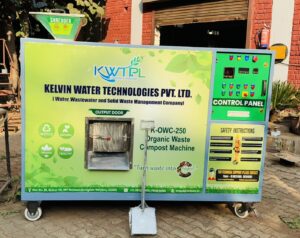

Waste management refers to the processes and actions involved in the collection, transportation, treatment, and disposal of waste. It also encompasses monitoring, recycling, and reusing waste materials to reduce their harmful effects on health and the environment. The objective is to handle waste in a way that minimizes its impact and makes the best use of resources.
Waste can be categorized into:
- Solid Waste (household trash, construction debris)
- Liquid Waste (wastewater, chemicals)
- Organic Waste (food, garden waste)
- Hazardous Waste (medical, industrial chemicals)
- E-waste (discarded electronic items)
The Growing Need for Effective Waste Management
According to the World Bank, the world generates over 2 billion tons of municipal solid waste every year, and this number is projected to increase significantly in the coming decades. Poor waste management leads to:
- Air, water, and soil pollution
- Spread of diseases and health risks
- Greenhouse gas emissions, especially methane from landfills
- Depletion of natural resources
- Negative impacts on wildlife and marine life
Key Components of a Waste Management System
Effective waste management systems typically involve the following stages:
- Waste Generation
This is the initial stage where waste is produced from households, businesses, and industries. Understanding the source and type of waste is crucial for designing efficient handling methods.
- Collection and Segregation
Proper segregation at the source—into biodegradable, non-biodegradable, recyclable, and hazardous waste—greatly enhances the efficiency of subsequent steps. Color-coded bins and awareness campaigns are common tools used.
- Transportation
Waste is collected and transported to processing or disposal facilities. Well-managed logistics ensure safety and minimize leakage or environmental contamination.
- Treatment and Processing
Different types of waste are treated using different techniques:
- Biodegradable Waste: Composted or processed in biogas plants
- Recyclables: Sent to recycling centres
- Hazardous Waste: Neutralized or incinerated under controlled conditions
- E-waste: Disassembled and recovered for valuable metals
- Final Disposal
Waste that cannot be treated or recycled is disposed of in sanitary landfills, ensuring minimal environmental damage. However, the focus today is shifting toward zero-waste and circular economy models that avoid landfills altogether.
Types of Waste Management Practices
There are several modern and traditional methods used for managing waste, including:
- Landfilling
Still one of the most common practices, especially in developing countries. Waste is buried underground in a designated area. Modern sanitary landfills are engineered to minimize leakage and methane emissions, but landfilling is not sustainable long-term.
- Incineration
This involves burning waste at high temperatures. While it reduces the volume of waste and can generate energy, it may also release toxic gases if not managed properly.
- Recycling
Recycling transforms used materials into new products, conserving resources and energy. Metals, plastics, paper, and glass are commonly recycled materials.
- Composting
Organic waste like food scraps and garden waste is biologically decomposed into nutrient-rich compost. This method is ideal for reducing household waste and promoting sustainable agriculture.
- Waste-to-Energy (WTE)
This modern method converts non-recyclable waste materials into usable heat, electricity, or fuel. It’s an effective way to handle large volumes of waste while generating energy.
Challenges in Waste Management
Despite advancements in technology and increased awareness, waste management still faces numerous challenges:
- Lack of Public Awareness: Many people are unaware of proper waste segregation or disposal methods.
- Insufficient Infrastructure: Inadequate facilities for collection, treatment, and disposal lead to mismanaged waste.
- Financial Constraints: Building and operating waste treatment plants require significant investment.
- Illegal Dumping: Industries and households often dump waste illegally to avoid disposal costs.
- E-waste Handling: Improper disposal of electronics can lead to toxic chemical leaching.
Benefits of Effective Waste Management
Implementing a strong waste management strategy offers numerous advantages:
- Environmental Protection
Proper treatment and disposal of waste reduce pollution of air, water, and soil, protecting ecosystems and biodiversity.
- Public Health and Hygiene
Removing waste from public areas and treating hazardous materials prevents the spread of disease and maintains cleaner living conditions.
- Resource Conservation
Recycling and composting help conserve finite natural resources like water, minerals, and fossil fuels.
- Energy Generation
Waste-to-energy technologies can help meet energy demands while reducing dependence on non-renewable sources.
- Job Creation and Economic Growth
The waste management sector offers numerous jobs in collection, processing, recycling, and innovation.
Sustainable Waste Management: The Way Forward
As urban populations grow, sustainable and smart waste management solutions are more important than ever. Here are a few key strategies:
– Adopt the 5Rs: Refuse, Reduce, Reuse, Repurpose, Recycle
Encouraging individuals and businesses to follow these principles can drastically reduce the volume of waste generated.
– Invest in Technology
Automation, smart bins, IoT-based tracking, and AI in sorting can revolutionize how waste is managed.
– Public Education and Participation
Educational campaigns in schools, communities, and workplaces can raise awareness and promote responsible behaviour.
– Stricter Regulations and Enforcement
Governments must implement stringent laws on waste segregation, industrial waste management, and plastic usage.
– Promote Circular Economy
Designing products with recyclability in mind and encouraging manufacturers to take responsibility for post-consumer waste can close the loop.
Conclusion
Waste management is no longer a back-end process but a front-line defense in the fight against pollution and climate change. It is a critical service that affects every aspect of our lives—from the food we eat and the air we breathe to the communities we live in.
Governments, industries, and individuals must come together to create and follow sustainable waste management practices. By doing so, we not only protect our environment but also pave the way for a healthier, cleaner, and more prosperous future.
The time to act is now. Waste is not just something to be thrown away—it’s a resource that, if managed properly, can be turned into something valuable.